I’m delighted to share that my article, “Ruth as Post-Traumatic Covenant: Ḥesed, Kinship Repair, and the Cost of Belonging,” has been accepted for publication in the Journal of Pastoral Theology.
The journal and its editor
The Journal of Pastoral Theology is the flagship journal of the Society for Pastoral Theology, established in 1990. It remains the leading venue for rigorous, constructive work at the intersection of pastoral care, practical theology, and lived experience. Published by Taylor & Francis, it is widely recognised as a top-tier outlet in the field—indexed, peer-reviewed, and central to conversations that shape both scholarship and practice.
The Journal's editor is Michael S. Koppel, the Howard Chandler Robbins Professor of Pastoral Theology and Congregational Care (and Associate Dean) at Wesley Theological Seminary. An ordained Presbyterian minister, Koppel is known for his work on body-based spiritual care (Body Connections), the place of play in pastoral leadership, and interdisciplinary dialogue between biblical studies and pastoral practice. His editorial stewardship has helped keep the journal both theologically grounded and attentive to the real pressures of contemporary care.
What the article does
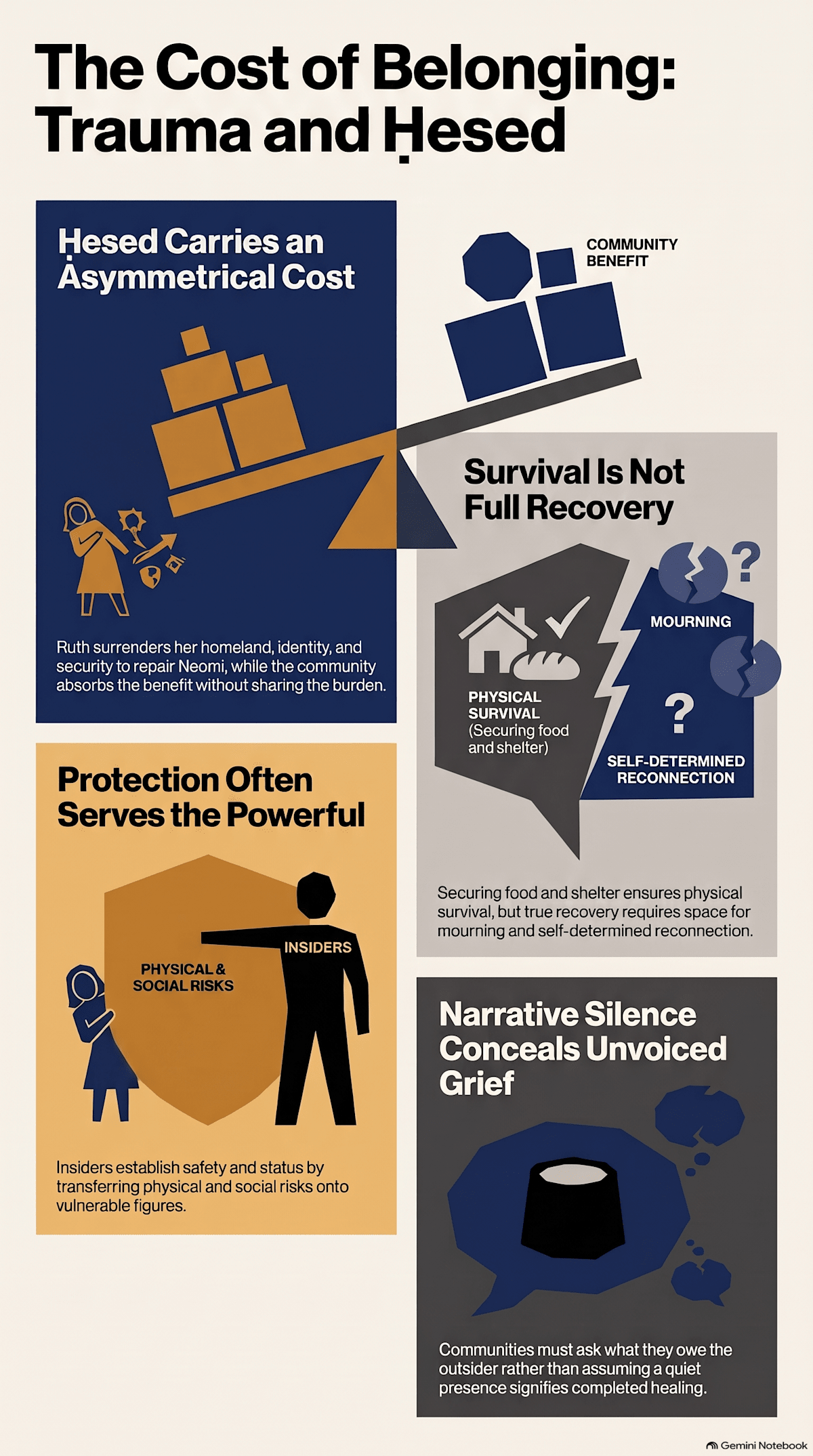
The piece reads the Book of Ruth as a narrative of repair after loss, but it refuses the usual pastoral move of treating Naomi’s and Ruth’s experiences as interchangeable. Drawing trauma-informed pastoral theology into conversation with womanist, feminist, and postcolonial readings, it asks a sharper question: whose repair does the story secure, and at whose cost?
Naomi’s grief is voiced—she renames herself Mara, names the emptiness, and addresses God directly. Ruth’s is not. After her famous vow she largely falls silent. The text records no mourning for Mahlon, no continuing bond with her own people or land, and no one asks how she is. By chapter 4 she no longer speaks at all.
The ḥesed she enacts is real, costly, and generative—it feeds Naomi, opens the field, and ultimately places a Moabite in the line of David. Yet the cost runs almost entirely one way. The article therefore distinguishes survival (food, protection, marriage, a child) from recovery (safety named on one’s own terms, a witness to grief, reconnection that is not absorption).
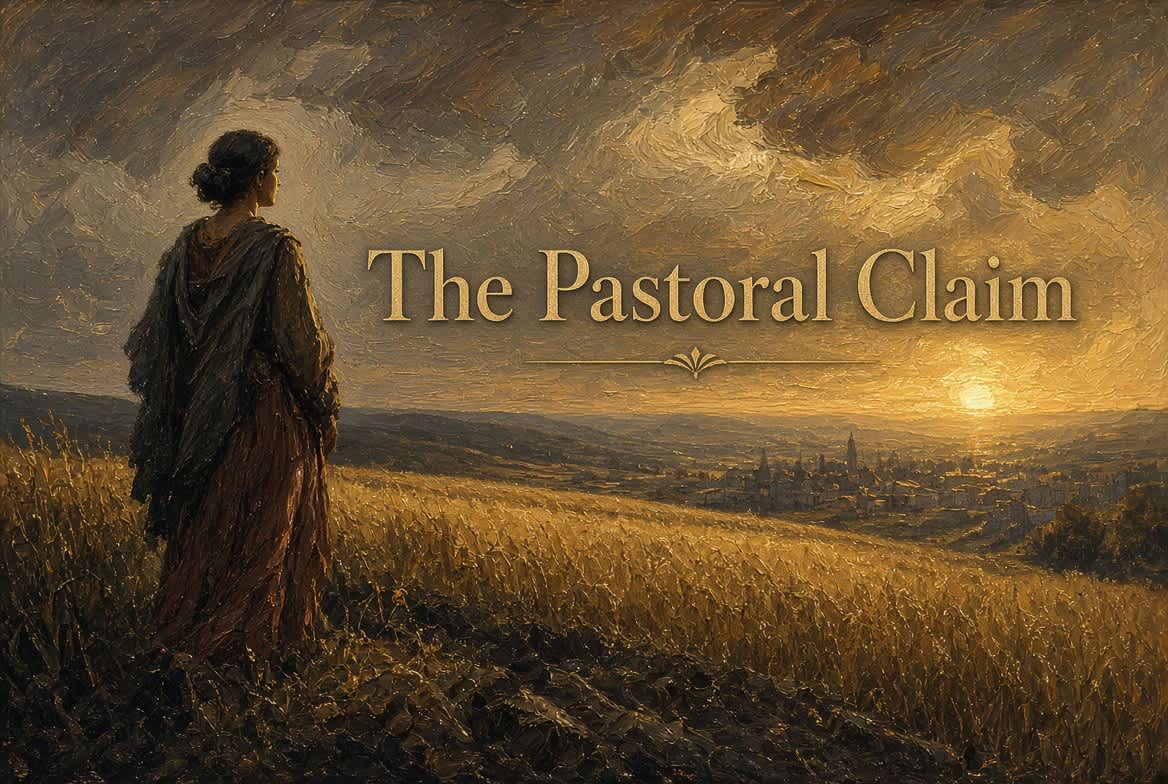
This is not a dismissal of the book’s beauty or its disruptive power. The story both absorbs the outsider into Judah’s genealogy and refuses to erase her Moabite identity. The pastoral claim is simply that a theology of quiet repair that never asks who paid for the quiet has not yet reached the depth of the text. For communities working with migrants, refugees, carers, or anyone whose losses remain unnamed, the question shifts from “What can the outsider give us?” to “What do we owe the one who has given?”
A second piece on the way
In related news, a companion article titled “The Kinsman at the Gate: Ploni Almoni, Boaz, and the Pastoral Deconstruction of Institutional Betrayal” has just been accepted in the International Journal of Practical Theology, published by De Gruyter Brill.
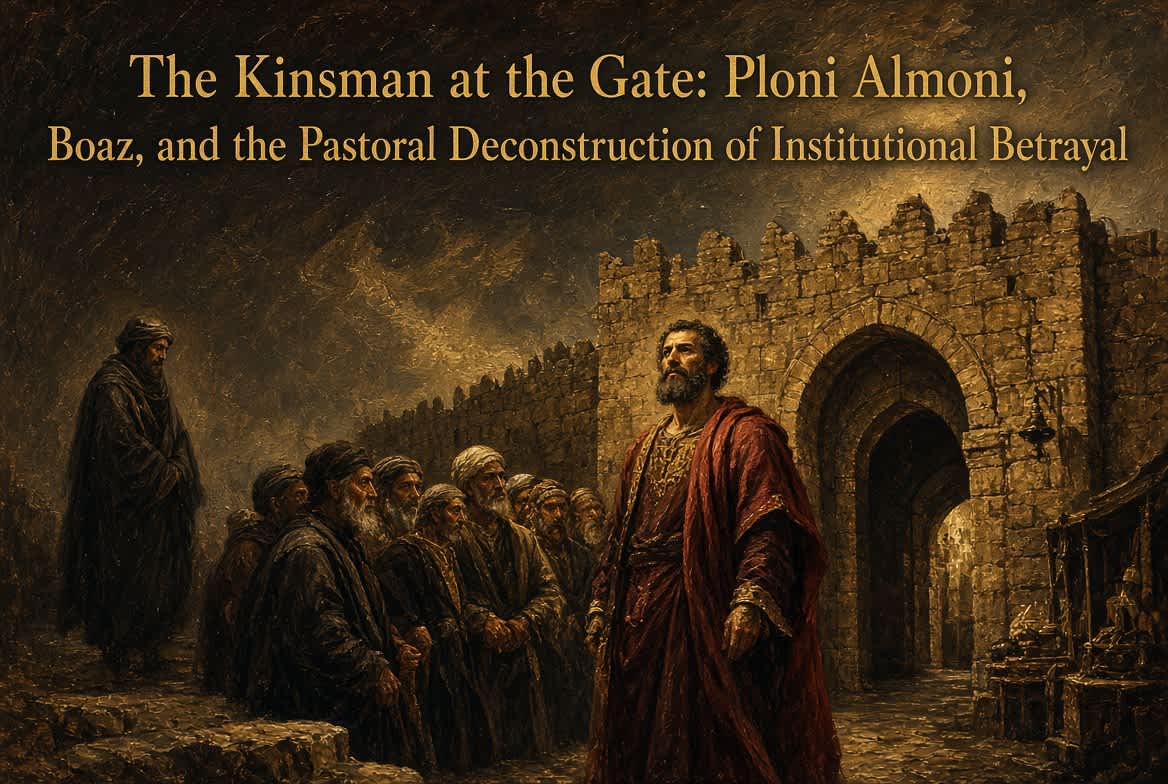
That journal is one of the major international forums for practical-theological research, and I’m looking forward to the two pieces appearing in conversation with each other.
Thank you to the communities, pastors, and reviewers whose questions shaped this work. More soon as the pieces move toward print.
As ever,
Mark
Please feel watch videos in the subject:
Explainer:
https://youtu.be/6Q10j_F0Ctc?is=lEcoPK9Nzx-Uj4kz
Short:
https://youtube.com/shorts/BfEaz26tXu8?is=dRZxcfriyX_RJTrs