Look at the towering walls, the high thrones, the heavy armor, and the self-exalting monuments of human hubris.
For centuries, empire has operated by a singular, rigid spatial logic: the architecture of look-down. It relies on visual intimidation, massive weight, and technological supremacy to freeze the vulnerable into permanent submission. It demands that we look up, feel small, and...
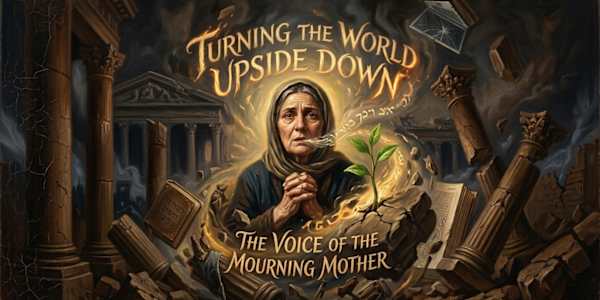
When Mothers Speak, Empires are forced to Listen... Daughters of Sodom, Daughters of Zion, and the revolutionary voice of maternal lament.
z0lk00fe3vnvbcdxydt1wu8y1xfg146.39 KB
What if some of the Bible’s most powerful challenges to empire are not spoken by kings, generals or prophets—but by mothers?
That question lies at the heart of my new paper, Daughters of Sodom, Daughters of Zion, Daughters of Mary: Maternal Lament, Inhospitality and Divine Reversal as Canonical Grammars of Trauma.
When we think of biblical stories like the Tower of Babel or the destruction of Sodom, our minds usually jump straight to individual morality—pride, language confusion, wickedness, or poor hospitality. But what if we’ve been missing the most important character in these ancient dramas?
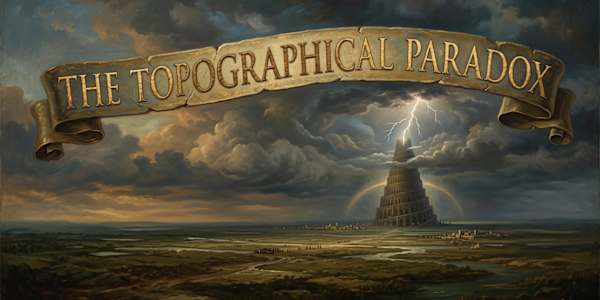
What if the primary stage for these crises—the physical landscape itself—was sending us a urgent, systemic message about technology, ecology, and human overreach?
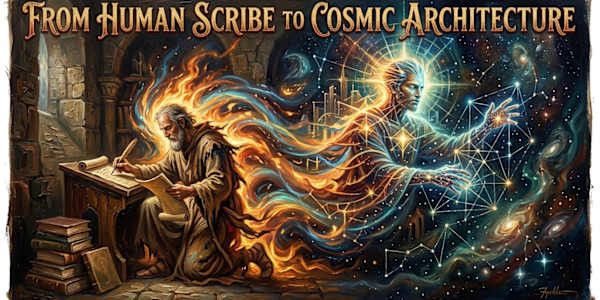
What if the most profound parts of ancient mystical experiences aren’t the words spoken, but the shapes left behind?
When we think of apocalyptic visions, our minds usually race to standard imagery: glowing angels, booming voices from the clouds, or fiery warnings of judgment. But hidden deep within late-antique Jewish mysticism and early Christian phenomenology lies a much weirder, vastly more structured phenomenon—one dominated by rectangles, ten-column grids, and drifting, luminous circles....
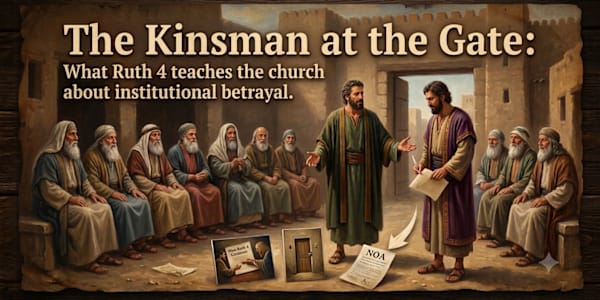
When a church faces allegations of spiritual or sexual abuse, the first instinct is often to protect the institution. Quiet investigations. Confidential settlements. Non-disclosure agreements. Carefully worded statements that prioritise “the mission” and “the brand.” The language is orderly, professional, even pastoral in tone. Yet for many survivors, this administrative response feels more damaging than the original harm.
In a recent paper, I argue that the Book of Ruth...
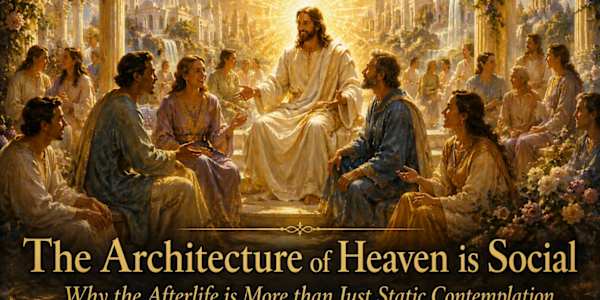
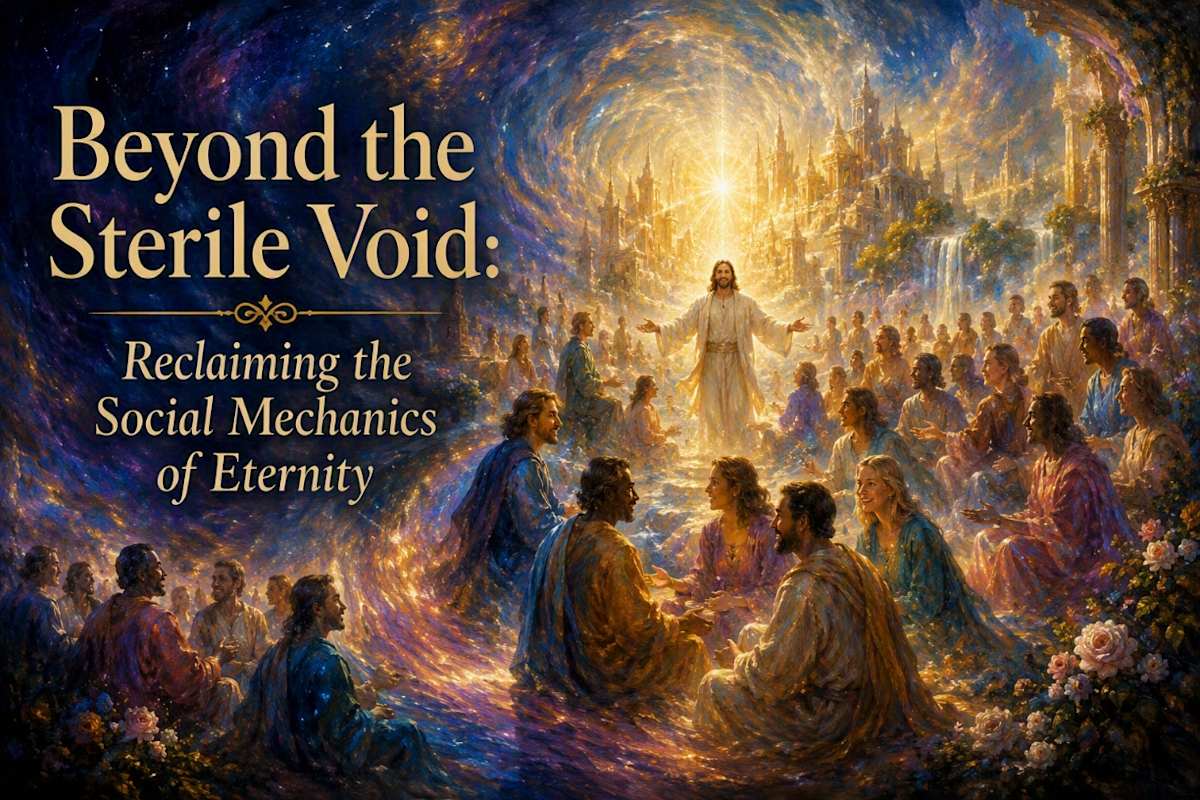
Beyond the Sterile Void: Reclaiming the Social Mechanics of Eternity
ij2fq42auc06o3hosnye5ddfiayw939.46 KB
For centuries, Western imagination has painted the afterlife in remarkably dull colors. We are often presented with two extremes: a sterile, static eternity where isolated souls sit in frozen contemplation of the Divine, or a New Age cosmic soup where individual personhood is entirely dissolved into an undifferentiated puddle of consciousness.
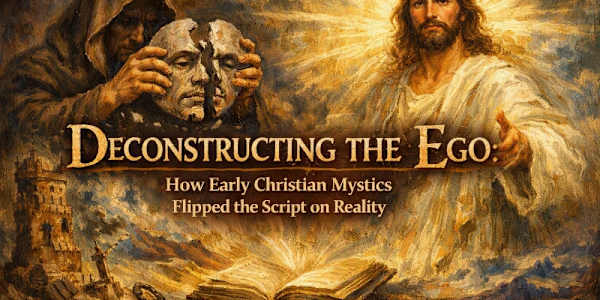
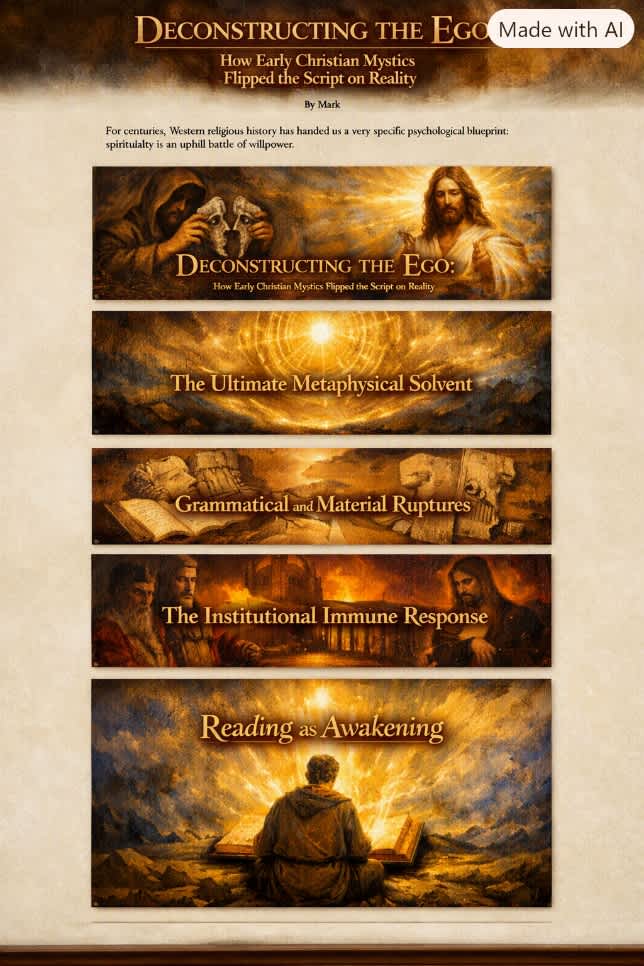
For centuries, Western religious history has handed us a very specific psychological blueprint: spirituality is an uphill battle of willpower. We are taught that human life is defined by separation—a vast gulf between a distant Creator and a striving creature. Within this dualistic framework, the ultimate goal of human consciousness is a continuous, future-oriented exertion of effort: "I will."I will obey, I will improve, I will eventually achieve salvation.
New article now published in Biblical Interpretation (Brill) DOI: 10.1163/15685152-bja10079
In the antebellum South, white pulpits rarely opened the book of Hosea. Its central image — a God who buys back an unfaithful wife from the marketplace and clothes her again in covenant love — sat too close to the bone in a society built on selling human beings and breaking up their families. But in the hush harbours and brush-arbor clearings beyond the overseer's reach, enslaved communities turned to...
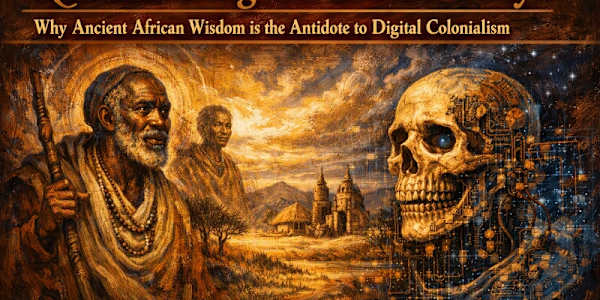
We live in a world of profound digital fragmentation. Every swipe, click, facial scan, and captured voice note tears a piece of our organic lives away from us. Under the regime of modern tech monopolies, human identity is systematically broken down into metrics, harvested for data capital, and reassembled by corporate algorithms.
In a groundbreaking new paper, "Re-Membering the Broken Body," researcher Mark Edward Chard offers a radical, fresh response to this crisis. He suggests that to...
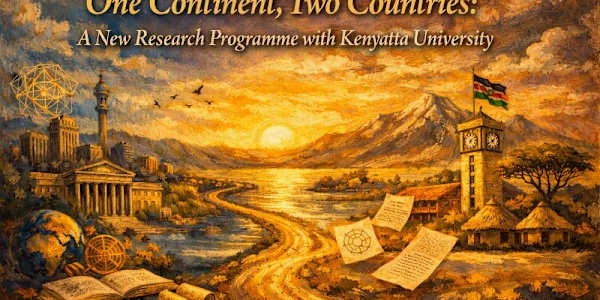
I'm delighted to share some news that feels like a genuine milestone in this research journey: I have been formally affiliated with the Department of Philosophy and Religious Studies at Kenyatta University, Nairobi, for a three-year term running from October 2026 to September 2029.
This comes alongside my existing position as a Research Associate at the Wits Centre for Diversity Studies, University of the Witwatersrand — meaning my work now sits, quite literally, across two countries and two...
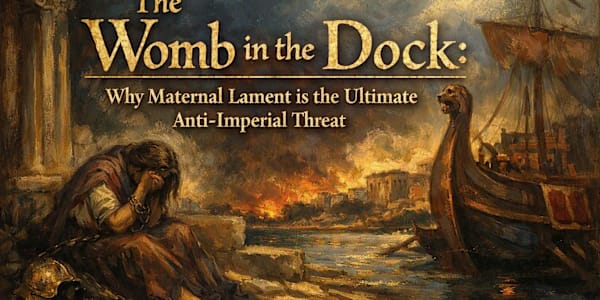
Look at Roman imperial propaganda from 70 CE, and you’ll find a specific coin minted by Emperor Vespasian: the Judaea Capta. It depicts a woman slumped under a palm tree, head bowed, limbs bound.
For Rome, the message was clear: We have conquered your mother-city. Your maternal body is our trophy.
But history forgot that empires do not get the last word on grief.
In my latest research, "Daughters of Sodom, Daughters of Zion, Daughters of Mary," I trace how the biblical canon systematically...
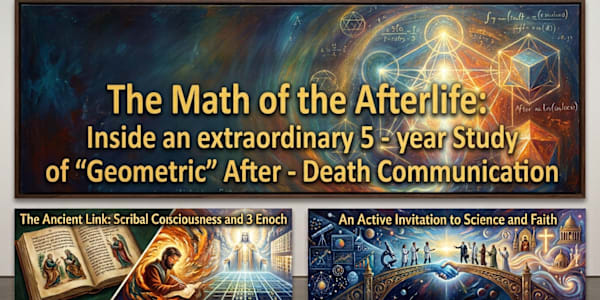
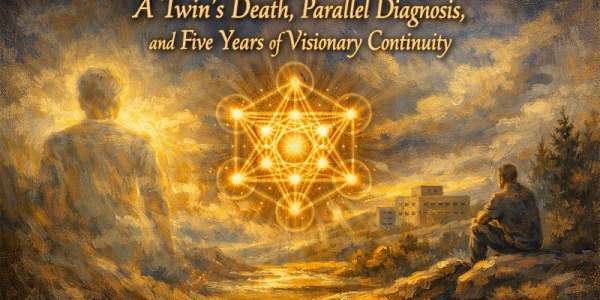
What happens to our consciousness when we die? For decades, researchers tracking After-Death Communications (ADCs) have documented stories of comfort: a sudden feeling of warmth, a familiar scent, an unbidden whisper, or a vivid dream of a lost loved one telling us they are okay.
But what if the afterlife isn't just emotional—what if it is profoundly mathematical?
An extraordinary, newly highlighted longitudinal case study titled“The Geometry of Transformed Consciousness”challenges everything...
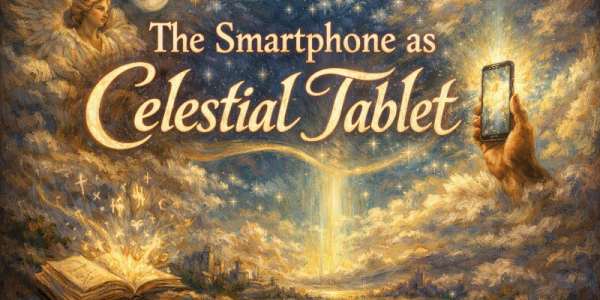
What if the devices we use to text our loved ones in life become the very templates our minds use to process their absence in death?
In a fascinating new longitudinal study, I explore a deeply moving, five-and-a-half-year journey through grief, contemplative prayer, and anomalous visual experiences.
Published as a rigorous phenomenological case study, his paper—The Smartphone as Celestial Tablet: Digital Semiotics, Non–Local Consciousness, and the Modern Enochic Paradigm of After-Death...
On 12 December 2020, my twin soul brother died at age 47 from stage-four cryptogenic liver cirrhosis. Three years later, on 13 May 2023, at the same hospital, I myself received the identical diagnosis. Between those dates—and continuing through June 2025, I recorded a sustained sequence of anomalous experiences: recurring geometric forms that evolved into luminous structures resembling Metatron’s Cube, a solitary protective wolf figure that appeared only in moments of vulnerability, radiant...
If you’ve spent time in church, or even just around standard self-help culture, you’ve likely heard variations of the same script when tragedy strikes:
"God has a plan."
"He’s in a better place."
"Time heals all wounds."
“We need to forgive and move on.”
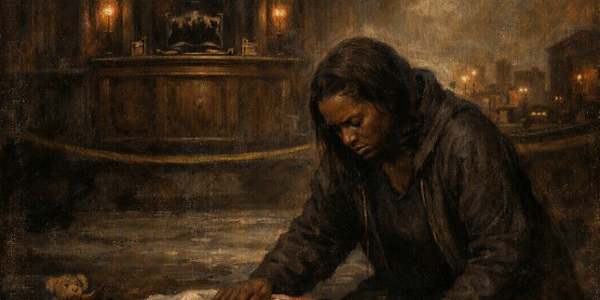
But what happens when the wound is a murdered child? What happens when the silence from heaven is so thick it feels like a physical wall?
When Lesley McSpadden stood over the body of her 18-year-old son, Michael Brown—left uncovered on the...
For centuries, mainstream biblical commentary handled the Book of Hosea with academic detachment or used it to police respectability. But within the African American religious tradition, this complex prophetic text became something else entirely: a blueprint for survival, a grammar of resistance, and a manifesto of fierce, protective divine love.
A groundbreaking new study is set to fundamentally reshape how we understand this history.
The forthcoming manuscript, "How Can I Give You Up?": Hosea...
Have you ever considered that a straight line could be a weapon? Or that a geometric shape could silence an entire system of spiritual knowledge?
In modern society, we are taught to view geometry as a neutral, objective branch of mathematics. We look at architectural blue-prints, city grids, and artistic proportions as matters of pure logic or simple aesthetics.
But geometry is never neutral. It is a dense cultural technology that has been used for centuries to classify bodies, partition land,...
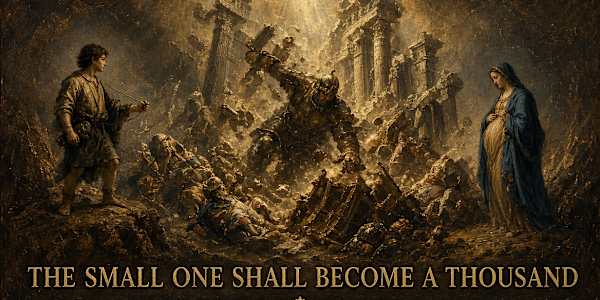
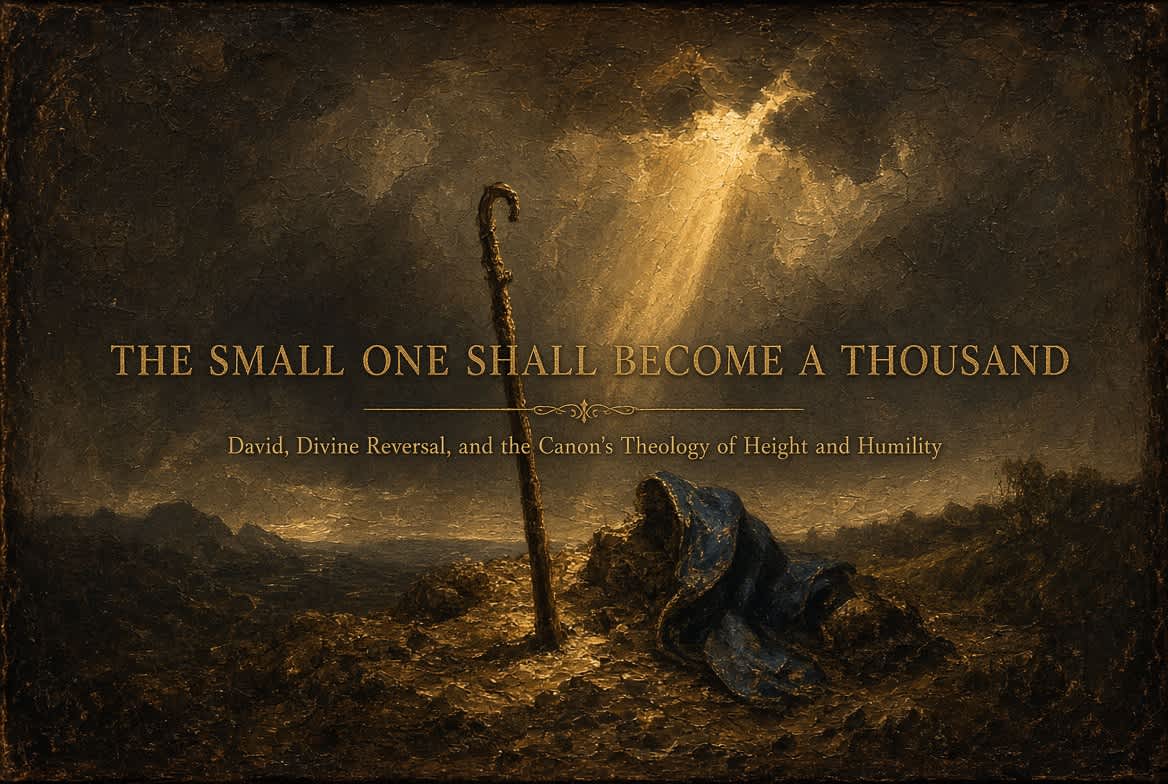
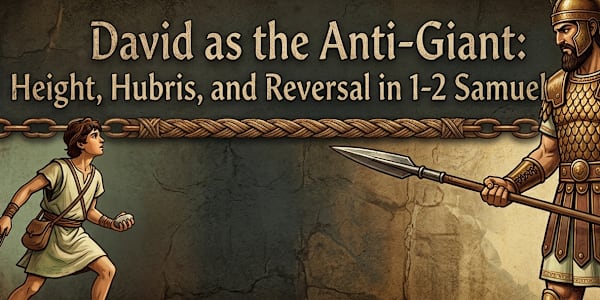
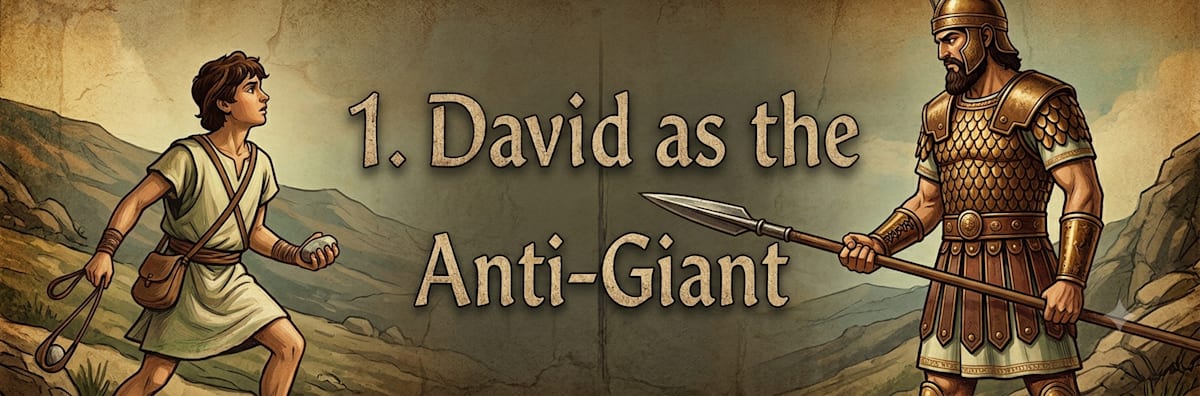
The story of David and Goliath is often told as a simple tale of courage, but the Samuel narratives are doing much more than that. They use height, armour, and bodily scale to explore a deeper theological question: what kind of power truly matters in the sight of God? In that sense, David is not just the underdog; he is the anti-giant, a figure who rejects the logic of spectacle, intimidation, and self-exaltation
Lilith is one of the most haunting figures in the long history of biblical interpretation.
3ityiuelamecrd0uujgvihi1f8es449.3 KB
In medieval Jewish tradition, she is remembered as Adam’s first wife, created from the same earth, who refused to lie beneath him, when Adam demanded, and left Eden rather than accept hierarchy. That refusal has often been read as rebellion, but it can also be read as a claim of equality: if both were made from dust, then neither was created to dominate the other.
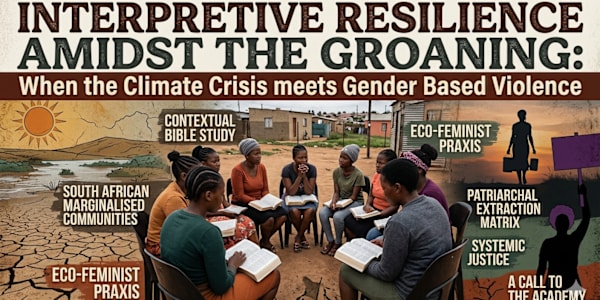
The Earth is groaning (Romans 8:22), and so are the women and girls in South Africa’s marginalized communities. When we talk about the climate crisis, we often speak in environmental abstractions—parts per million of carbon, shifting rainfall data, or melting ice caps. But for poor Black women in South African townships and rural settlements, the polycrisis is not an abstraction. It is an immediate threat to bodily safety.
In a forthcoming paper titled “Interpretive Resilience Amidst the...