
For centuries, mainstream biblical commentary handled the Book of Hosea with academic detachment or used it to police respectability. But within the African American religious tradition, this complex prophetic text became something else entirely: a blueprint for survival, a grammar of resistance, and a manifesto of fierce, protective divine love.
A groundbreaking new study is set to fundamentally reshape how we understand this history.
The forthcoming manuscript, "How Can I Give You Up?": Hosea in the Spiritual Imagination of African Americans, 1619–1968, traces a 400-year history of how Black communities rescued Hosea’s scandalous, wounded imagery from the white pulpits of slaveholders and transformed it into a technology of liberation.
📣 Landmark Publication in Biblical Interpretation
In a major milestone for biblical scholarship, this manuscript has been officially accepted for publication in Biblical Interpretation, edited by the distinguished scholar Coleen Conway.
To understand the weight of this news, one must understand the landscape of theological academia. Biblical Interpretation is universally recognized as a top-tier, flagship journal in the field. It has a monumental standing, known strictly for publishing work that redefines the boundaries of historical, literary, and theological analysis.
An acceptance here is not just a publication—it is an acknowledgment that this research possesses significant academic authority. By placing African American reception history and womanist hermeneutics on this global platform, the journal cements this lineage of grassroots, non-academic biblical interpretation as a crucial peer to traditional commentary.
🧵 Three Historical Arcs of Resistance
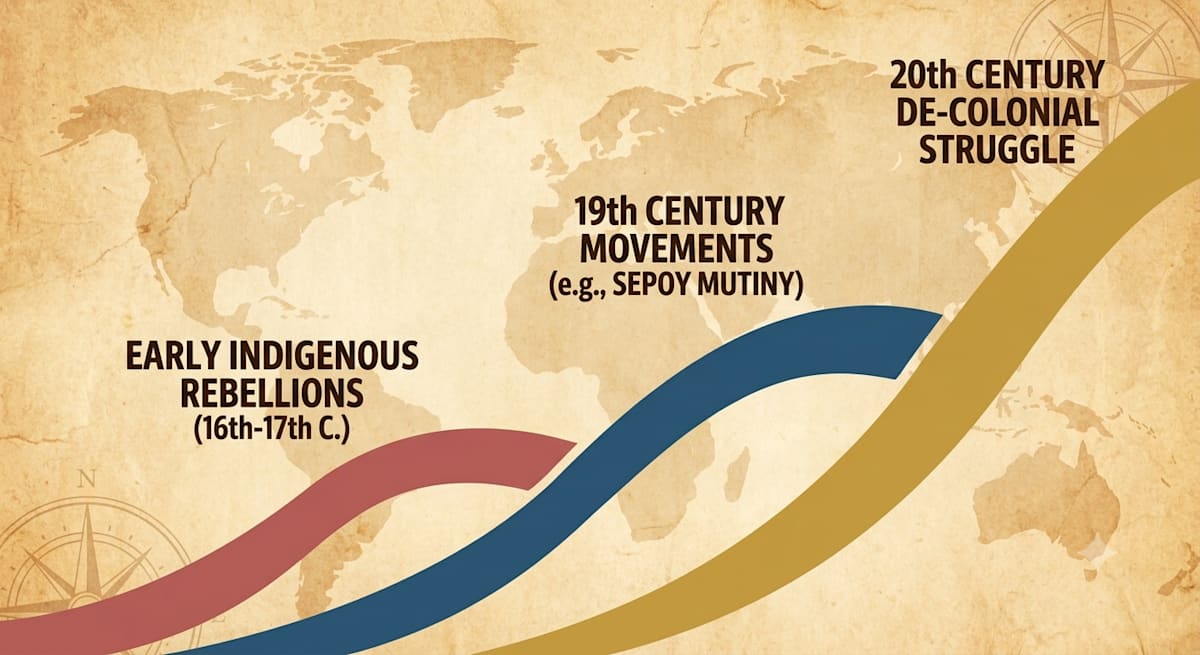
The article expertly maps out how Hosea migrated through Black spiritual imagination across three distinct eras:
1. The Sacred Wilderness (1619–1865)
In the antebellum South, white masters weaponized the Bible to enforce submission. But in clandestine "hush harbours"—woods and swamps beyond the plantation boundaries—enslaved people clung to Hosea 2:14: "I will allure her into the wilderness, and speak tenderly to her."
While planters viewed the wilderness as a dangerous zone of lawlessness, the enslaved reclaimed it as a sanctuary. It was the one place the overseer couldn't follow—a space where God’s voice overrode the false authority of the master. The study reveals that this theology ran so deep it influenced enslaved naming practices, with children being named "Jezreel" to prophetically claim that sites of historical violence would become places of divine sowing.
2. The Reclamation of Gomer (1865–1940)
Following Emancipation, Black communities faced the new wilderness of Jim Crow, debt peonage, and racial terror. In this era, Black holy women in the holiness and early Pentecostal movements staged a hermeneutical revolution.
Preachers like Julia A. J. Foote utilized the parental anguish of Hosea 11:8 ("How shall I give thee up, Ephraim?") to validate her own embattled ministry. If God refused to give up on a stubborn, flawed kingdom, God certainly would not give up on a Black woman whose calling was denied by a patriarchal church. Decades before modern academia found the words, these women re-read Gomer not as a baseline for shame, but as an ancestor of every Black woman judged before her story was truly heard.
3. The Moral Grammar of Nonviolence (1954–1968)
Perhaps the most striking thread of the paper links Hosea directly to the engine of the Civil Rights Movement. The study highlights a pivotal, overlooked moment in the summer of 1963 when Dr. Martin Luther King Jr. read Hosea 11 to a small group of organizers and quietly declared, "That is the text of the nonviolent movement."
King recognized that Hosea 11 offered a framework where God responds to betrayal not with destructive wrath, but with a heartbroken, warm compassion. This divine incapacity for abandonment became the emotional fuel that allowed marchers to face police dogs, fire hoses, and brutality without retaliating. From Prathia Hall’s extemporaneous prayers over the ashes of firebombed churches to Fannie Lou Hamer’s fierce political defiance, Hosea 11 provided the ultimate script for endurance.
The SCLC Mass Meeting Antiphon: Leader: "How can I give you up, Ephraim?" People: "The Lord will not give us up!" Leader: "How can I hand you over?" People: "The Lord will not hand us over!"
🚪 Why This Research Matters Today
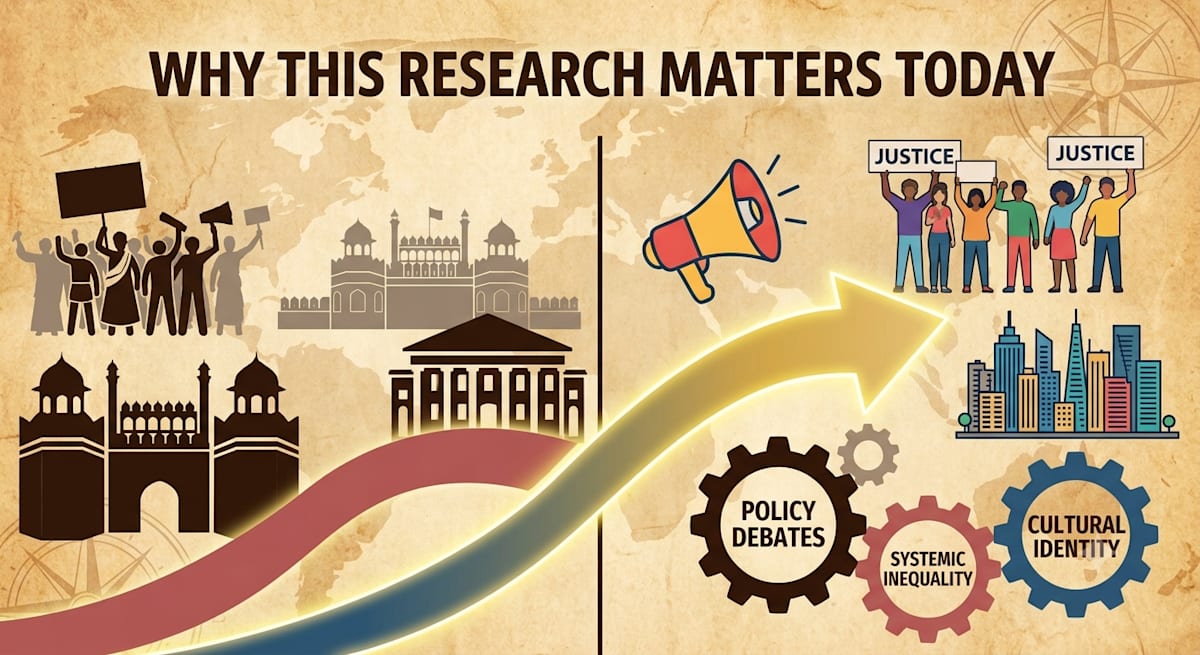
The manuscript culminates in the modern womanist reclamation of the text, pioneered by scholars like Renita Weems and Wil Gafney, who directly challenged the patriarchal violence embedded in traditional interpretations.
What this study ultimately proves is that biblical interpretation does not just happen in ivory towers. The primary sources of theological genius are often found in WPA slave narratives, holiness autobiography, storefront church blues registers, and the dust of freedom marches.
As this brilliant paper heads to print in Biblical Interpretation, it serves as a powerful reminder that for four hundred years, the marginalized have looked into texts of judgment and found a love song—dangerous, scandalous, and fiercely protective.
'Click' on the links below to watch videos on this subject:
Short Video
https://youtube.com/shorts/46w4YoqGibo?is=oIOQ2D2UYlFWRY29
Explainer Video