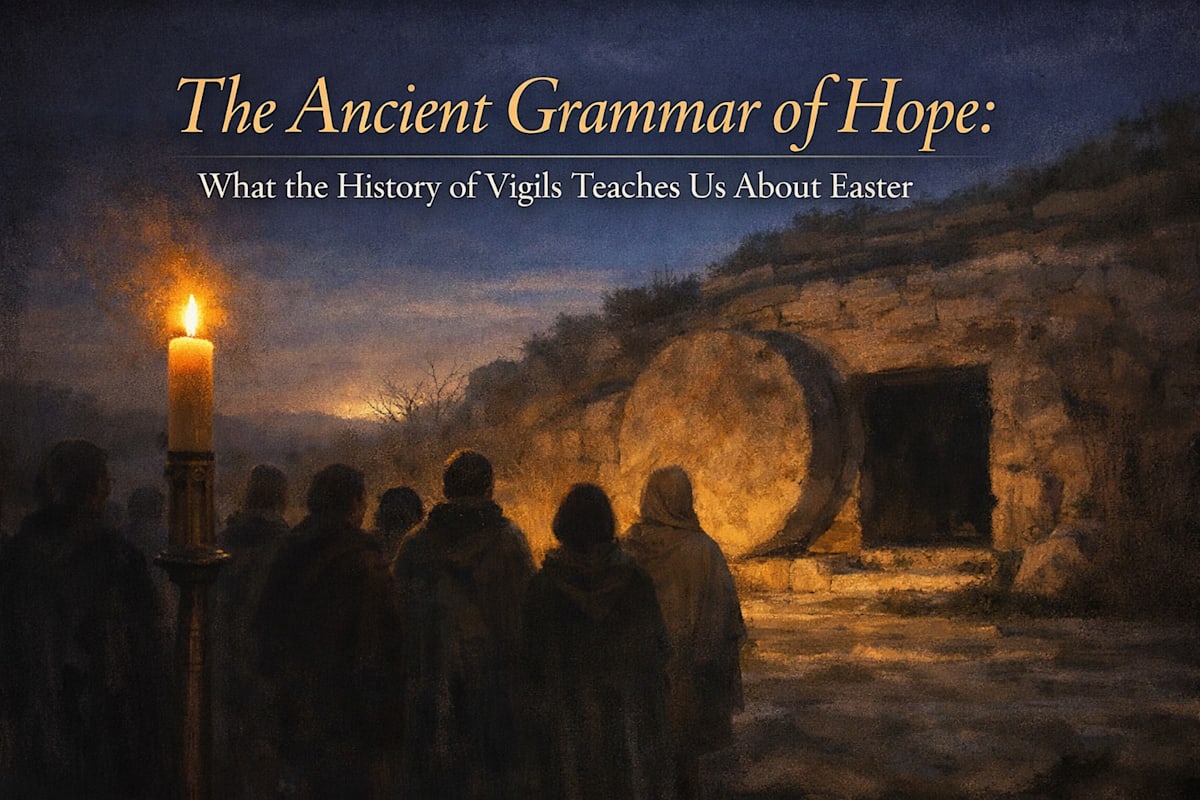
The Easter Vigil does not begin with the ringing of bells or the triumphant shout of the Exultet. It begins in a heavy, expectant silence. Before the proclamation of "He is risen," there is the shroud of darkness. A community gathers, not yet in joy, but in a shared, breath-held anticipation. A single flame is kindled, and the long, winding narrative of creation, exile, and promise unfolds in the flickering shadows.
While this liturgical structure feels quintessentially Christian, it is a ritual that taps into a "deep human grammar of renewal" far older than the faith itself. Across millennia, the human spirit has felt a primordial impulse to stand at the threshold between night and dawn, believing that the most profound transformations occur when the world is at its darkest. To understand Easter is to explore these ancient roots of "waiting for the light."
1. The Vigil as a Universal Human Archetype
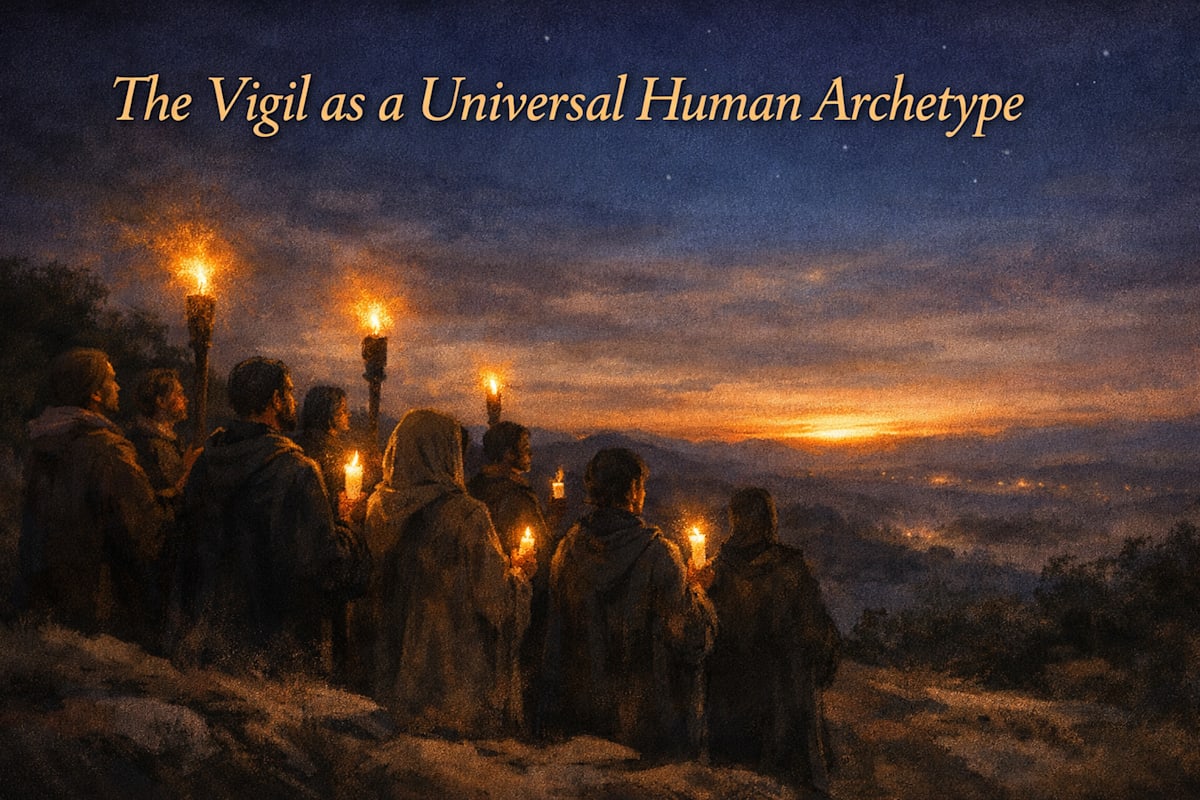
Historians of religion, most notably Mircea Eliade, have observed that the night-to-dawn ritual is a near-universal religious form. Eliade described this pattern as a recurring reenactment of "cosmic renewal"—a symbolic "reset" of the world. In the ancient imagination, the dawn was not a passive celestial event but a hard-won victory that required human participation and ritual witness.
The human psyche appears hardwired for these rituals of descent and return. We find a visceral, ontological meaning in the transition from the abyss of night to the clarity of morning. The vigil is a ritualized acknowledgement of a fundamental truth: renewal is not a shallow or instant occurrence; it is a labor that requires a period of watchfulness and the courage to remain present in the dark.
2. Ancient Civilizations and the "Sun Victories"
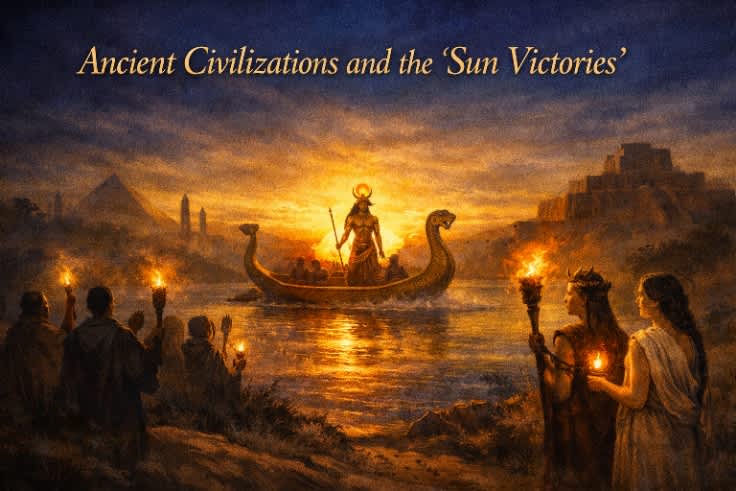
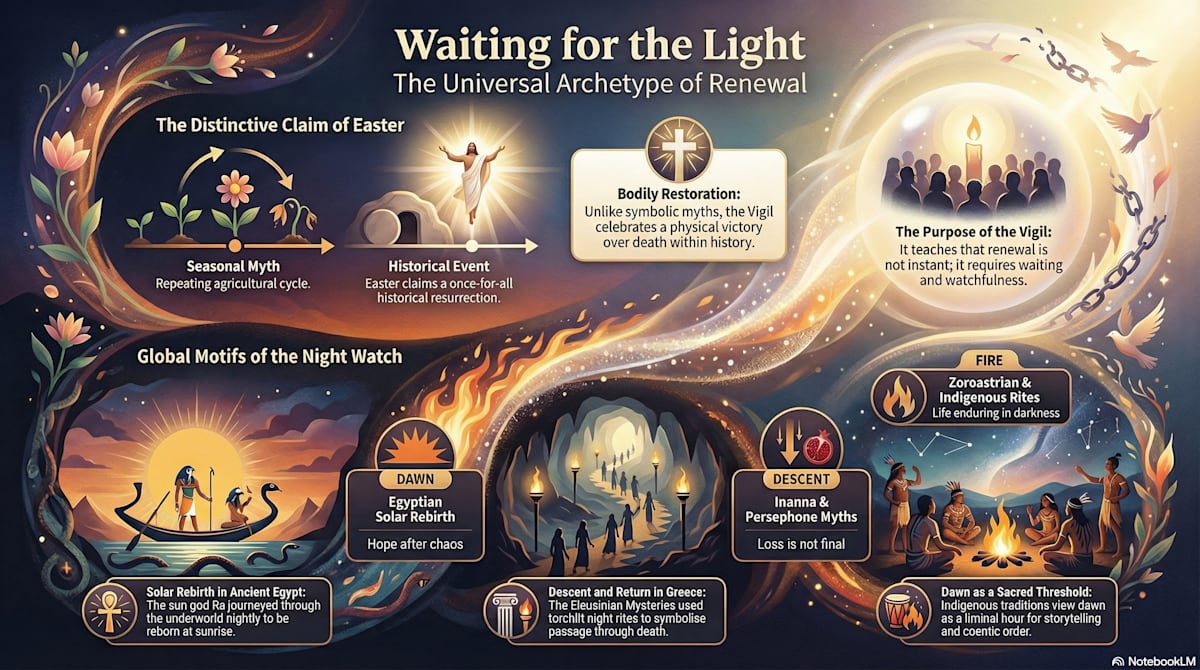
Long before the first Paschal candle was lit, the ancient imagination viewed the dawn as a rescue operation for the cosmos. The ancient Egyptians visualized the sun god, Ra, journeying through the perilous underworld each night, battling the forces of chaos to be reborn at the horizon. In the Nile valley, the dawn was the triumph of order over the void. This theological logic—shared between the Nile and the empty tomb—is captured in the realization:
"Darkness is real. Descent is real. But it is not final."
In Mesopotamia, the myth of the goddess Inanna’s descent and return mirrored the agrarian reality of the seed: life must disappear into the soil before it can emerge. Similarly, the Greek Eleusinian Mysteries centered on Persephone’s journey into the shadows. These rites, characterized by torchlit processions and night watches, cultivated a personal hope beyond mortality, suggesting that the human longing for life to endure is as old as civilization itself. In these "sun victories," we see the human conviction that loss is never the final word.
3. Fire as the Persistence of Life
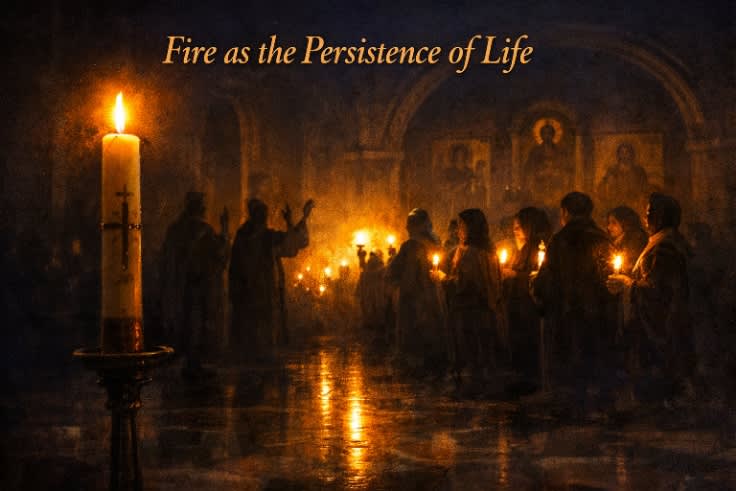
The Easter Vigil begins with a flame—the Paschal candle piercing the gloom. Fire has served as the ultimate symbol of the life-force across nearly every culture. Zoroastrian traditions maintain sacred fires as emblems of purity and the divine presence, while Indigenous communities globally have long kept dawn fires during equinox and solstice ceremonies to mark the delicate transition of the seasons.
In the fire, we witness the human conviction that life is enduring, a stubborn refusal to let the light be extinguished. However, the Christian narrative intensifies this universal symbol. It shifts the meaning from a cyclical return of nature to a specific, decisive light. When the flame is carried into the darkened nave, it signifies Christ as "the light of the world" (John 8:12, NIV). The image of a single flame piercing a total, oppressive darkness remains a potent human symbol because it represents hope surviving in an environment that seems designed to stifle it.
4. Dawn as the "Liminal" Threshold
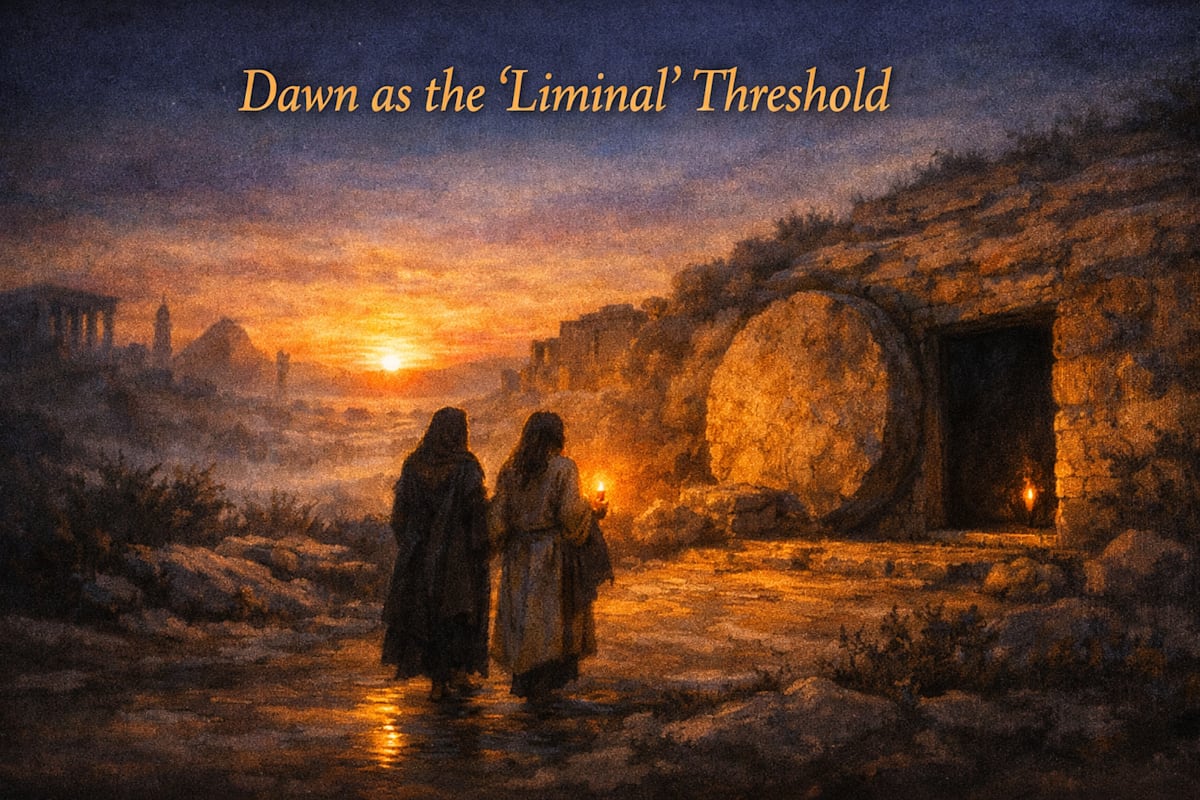
The concept of the "liminal"—the threshold between two states—is central to the wisdom of the vigil. In Mesoamerican traditions, architecture was meticulously aligned with the equinox sunrise to dramatize the cosmic order, treating the dawn as a sacred doorway between worlds. Similarly, Australian Aboriginal song traditions treat the hours of dawn and dusk as sacred moments where the ancestral past and the present intersect.
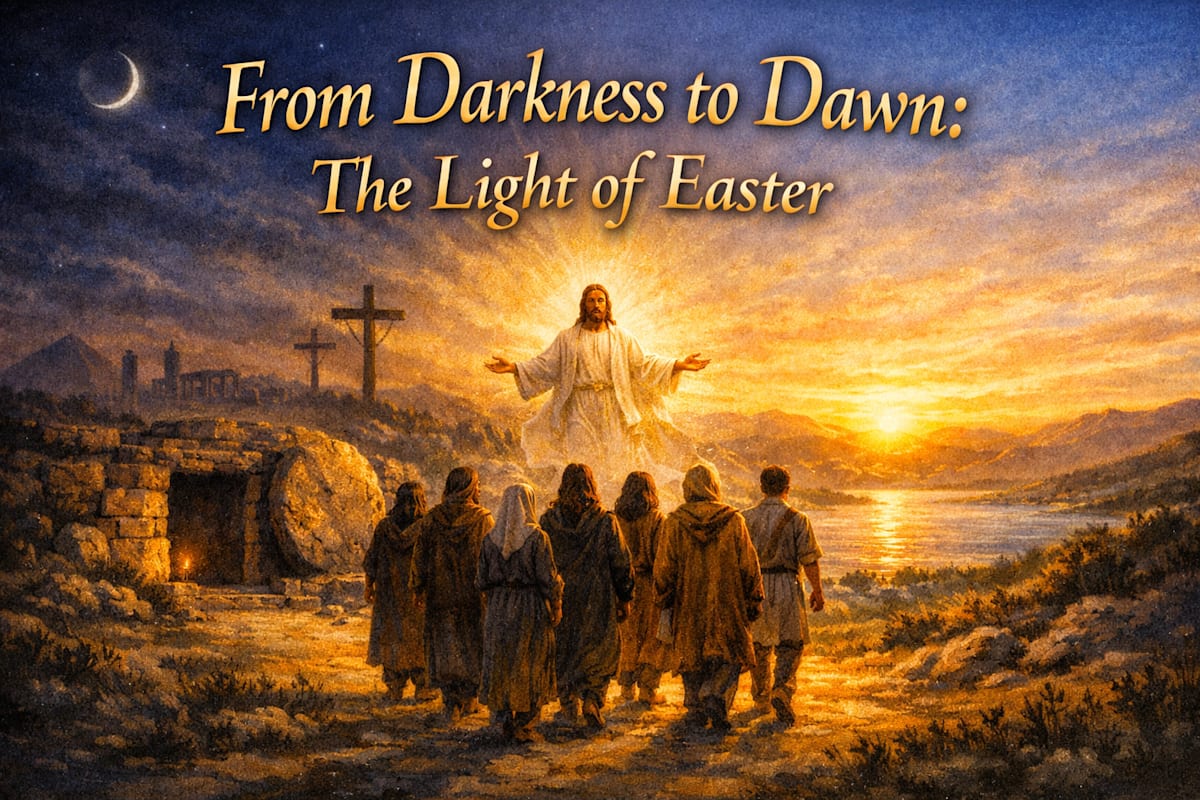
This understanding of the threshold is a masterstroke of the Resurrection narrative. The Gospel of John records that the women approached the tomb "early on the first day of the week, while it was still dark" (John 20:1, NIV). Transformation happens at thresholds. By placing the Resurrection at this precise moment, the text suggests that new life does not arrive in the full blaze of noon, but in the quiet, uncertain space between the "no longer" of death and the "not yet" of the new creation.
5. The Radical Distinction: Myth vs. History
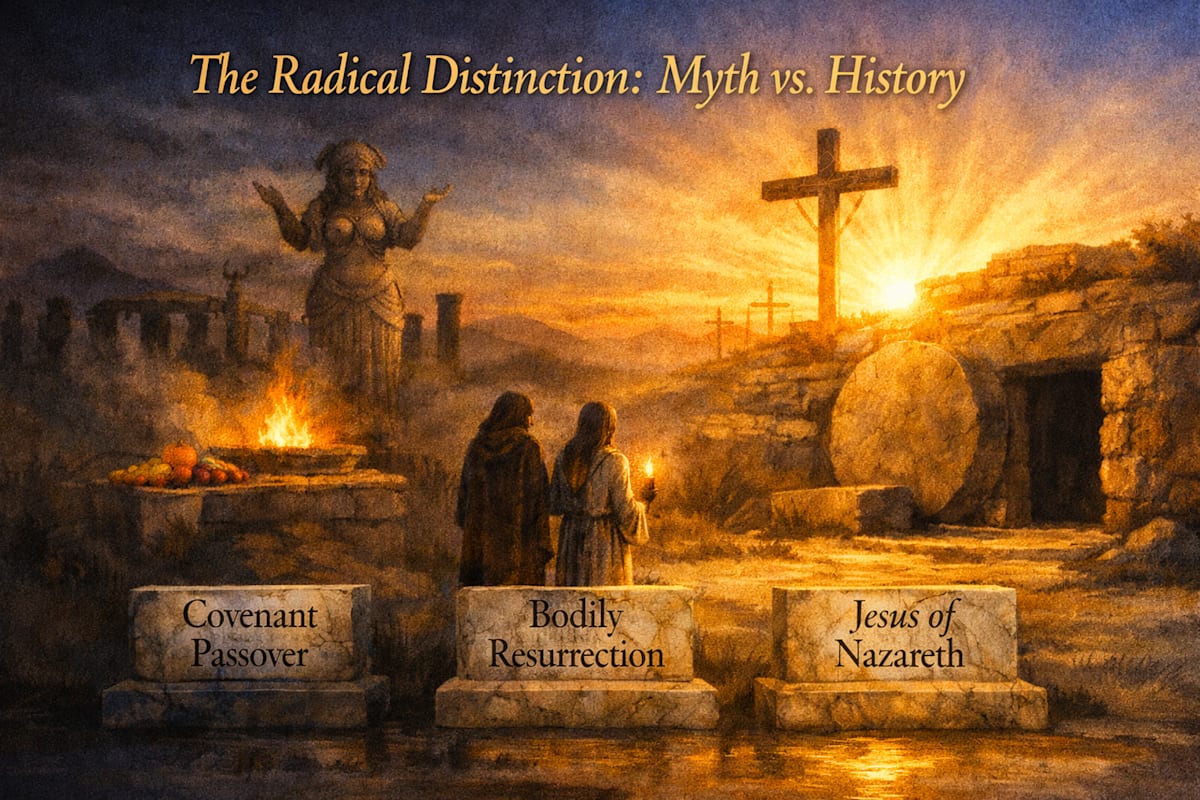
While Easter utilizes the symbolic language of the ancient world, it makes a radical departure from the "seasonal recurrence" of pagan myth. Scholar Jon D. Levenson argues that biblical resurrection is rooted in covenant history rather than the predictable, cyclical fertility of the earth. This is the shift from nature to eschatological hope—the belief that hope is directed toward the final fulfillment of history, not just the next crop of grain.
The distinction between the Easter claim and ancient myth is found in three specific pillars:
- Rooted in Jewish Passover: It is founded on a specific covenant history and the liberation from slavery, rather than general nature rites.
- Bodily Resurrection: It asserts a physical, tangible reality rather than a purely symbolic or metaphorical seasonal return.
- Historical Person: It locates renewal in the specific life, death, and rising of a historical figure: Jesus of Nazareth.
6. The Forgotten Wisdom of Waiting
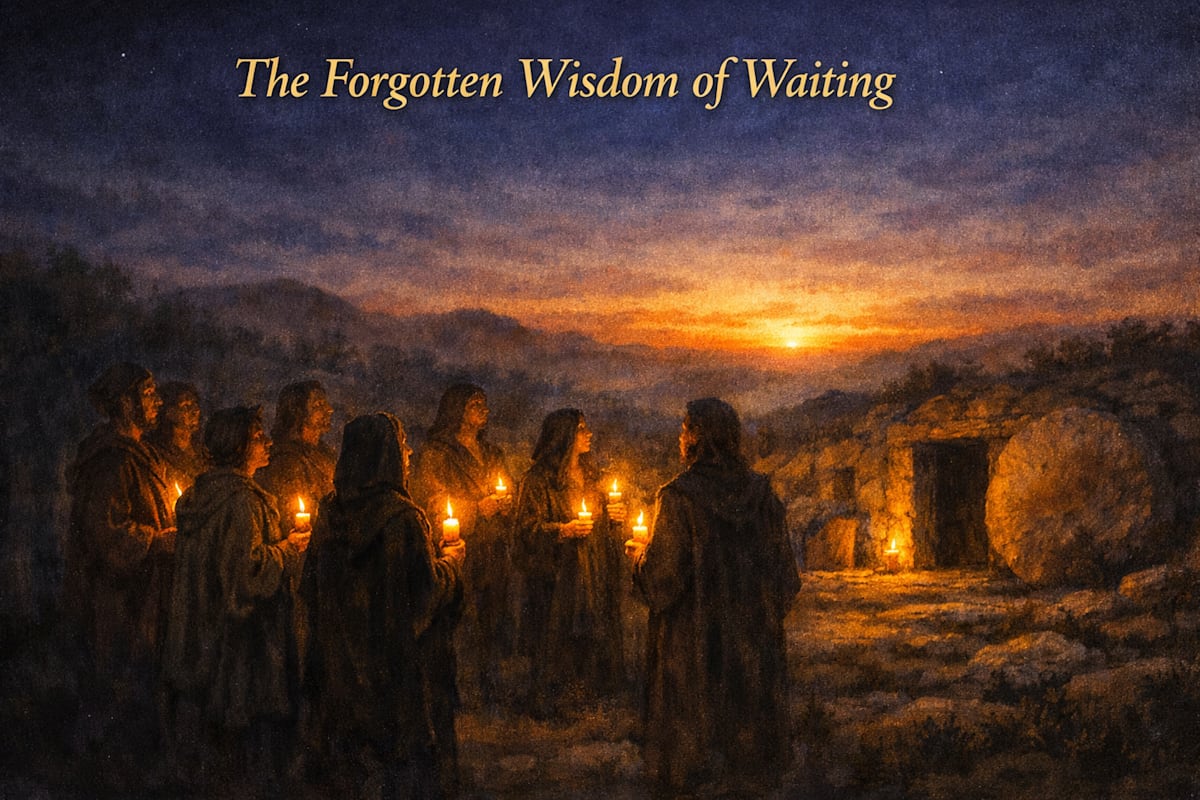
In a modern culture that prioritizes "instant" gratification and often rushes headlong into the pastel-colored celebrations of spring, the vigil offers a necessary, if difficult, corrective. It argues that real darkness and silence are the required precursors to genuine renewal. We cannot truly appreciate the light if we have not first stood in the shadows and felt the weight of the "not yet."
"Perhaps the forgotten wisdom of ancient vigils—Christian and pre-Christian alike—is this: hope is not instant. It is watched for."
The vigil reminds us that the human condition is often one of waiting. In a world marked by fragmentation and grief, the image of a community standing together in the dark, holding a single flame, is more than a ritual; it is a profound act of resistance.
Conclusion: Stepping into the Horizon
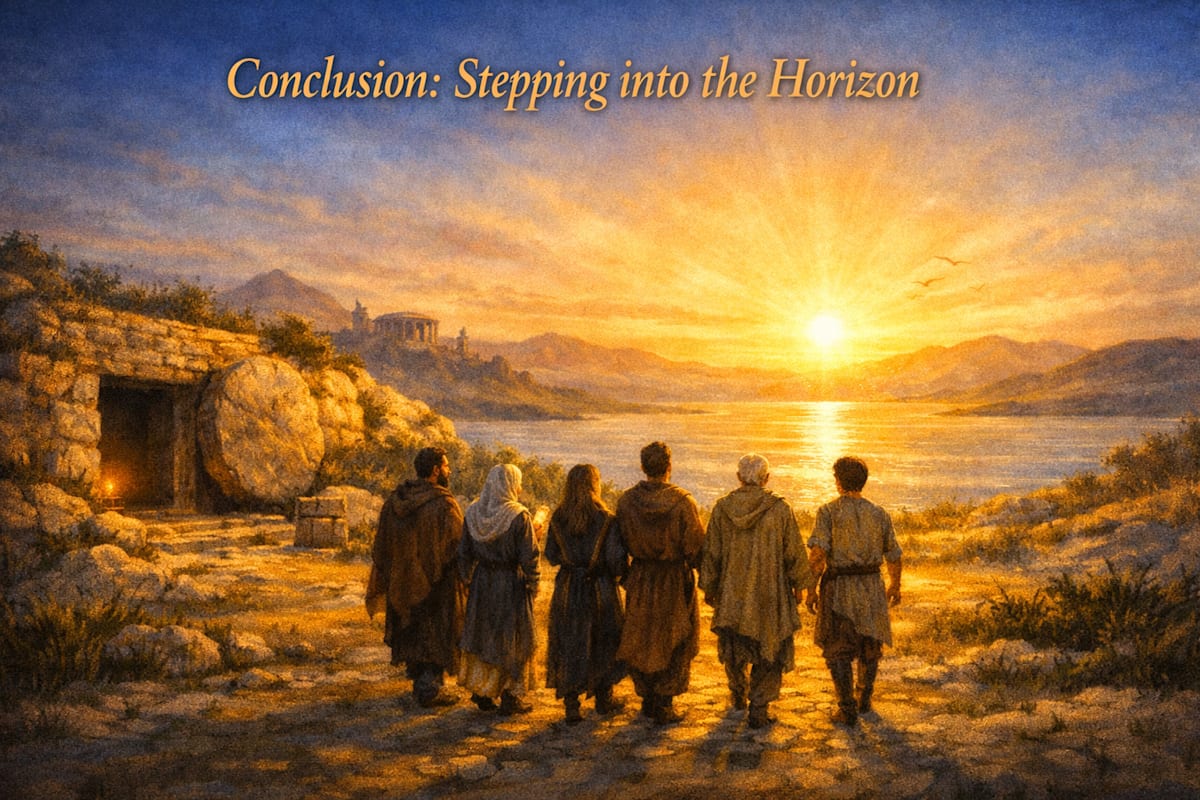
The symbols of the vigil—the fire, the darkness, the waiting—are the universal property of the human race. They speak to a global intuition that the light is coming. Yet, Easter dares to claim that it is the fulfillment of the longings these symbols represent. It suggests that where ancient rites cycled annually, a decisive event has occurred that changed the course of history forever.
As you stand at this threshold, consider the ancient patterns:
- What darkness are you standing in this year?
- What dawn are you waiting for?
The history of the vigil tells us that humanity has always looked east at first light, believing renewal was possible. The message of Easter is that the light we were waiting for has already broken the horizon, and the vigil ends because that Light has ceased to be a promise and has become a presence. We are invited, at last, to step into it.