1. Introduction: The Book They Were Not Supposed to Read
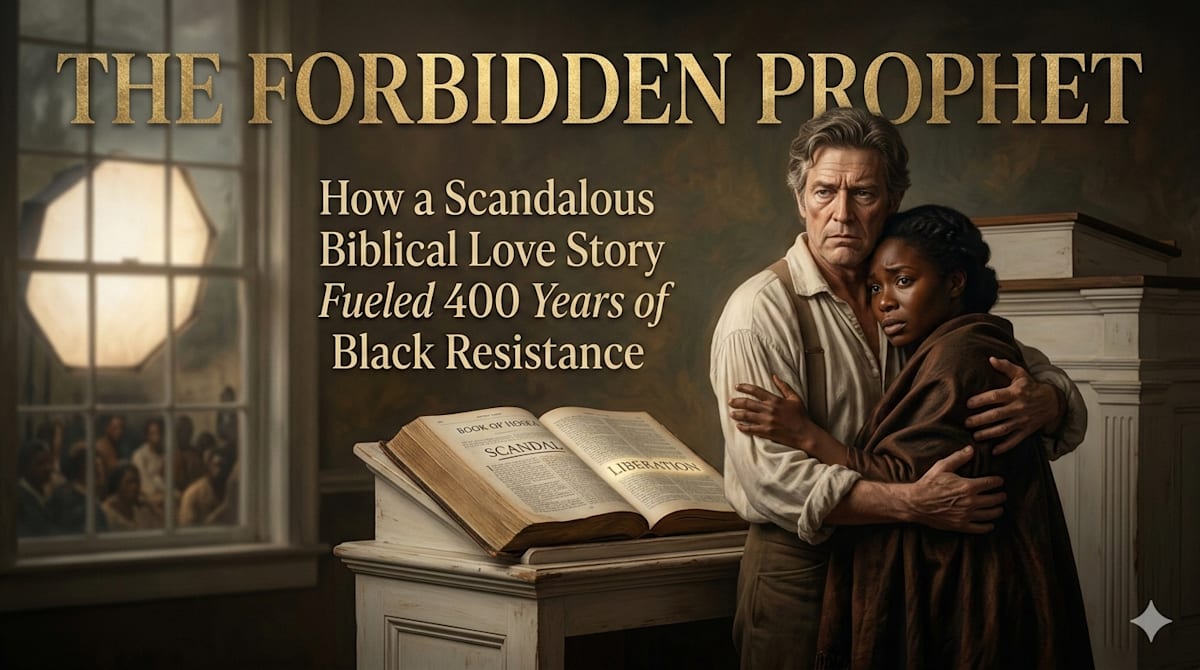
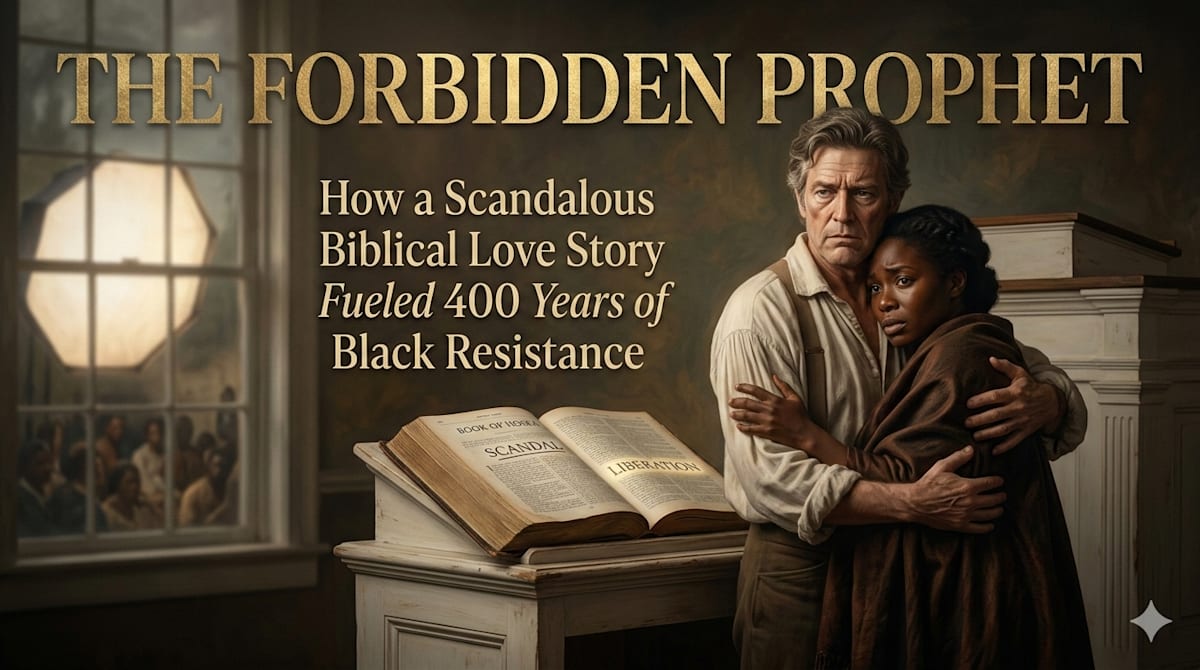
In the white antebellum pulpits of the American South, the Book of Hosea was a text of profound cognitive dissonance—theological dynamite that was largely left unexploded. Its central narrative was a scandal to the social order: a divine Husband who, despite being shamed by a wayward wife, literally enters the marketplace to buy her back from the auction block and reclothe her in covenant love. For a planter class whose wealth depended upon the legal violation of Black bodies and the commodification of families, a sermon depicting God as a "slave redeemer" in the literal market sense was a threat to the architecture of chattel slavery. To suggest that the Almighty viewed the violation of a woman as a personal wound—or that He would personally intervene to reclaim what the law called "property"—was a radical humanization of the very bodies the law sought to erase.
Yet, while the masters avoided the text, a hermeneutical revolution was brewing in the "hush harbours." Beyond the reach of the overseer’s torch, enslaved African Americans discovered in Hosea a "forbidden" gospel. It was not a call to spiritual complacency, but a grammar of resistance—a living script that transformed the image of the auction block into a site of divine intervention.
2. Takeaway 1: The Wilderness was a Sanctuary, Not a Punishment
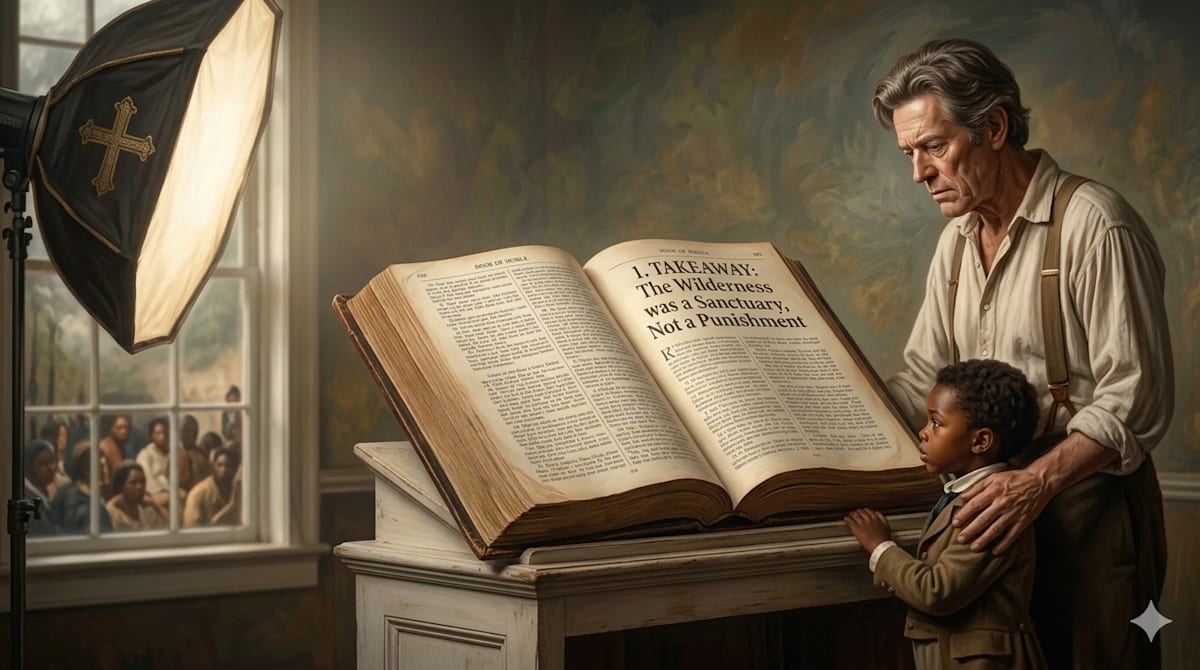
For the planter, the wilderness was a place of disorder and danger, the outer limit of social control. However, the enslaved community performed a "symbolic geography" shift, transforming the wilderness of Hosea 2:14 into a "sacred clearing." This was a present geography of freedom, a space where liberation was experienced in the immediate moment of worship, centuries before legal emancipation.
This theology was etched into the spirituals, as seen in the hauntingly precise lyrics:
Jesus call you, go in de wilderness To wait upon de Lord.
As George G. King recalled from the testimony of enslaved preachers, the text provided a sanctuary that no human master could violate:
De Lord say, ‘I will take you to de wilderness an’ speak comfortably to you.’
The depth of this historical reception was even found in the naming of children. Across the Carolinas and Virginia, plantation records show children named Jezreel—a name drawn from Hosea’s valley of bloodshed. In an extraordinary reversal, they reclaimed the site of massacre as a site of "sowing," asserting that God would plant life where violence had reaped death.
3. Takeaway 2: Covenant Love as Radical Defiance
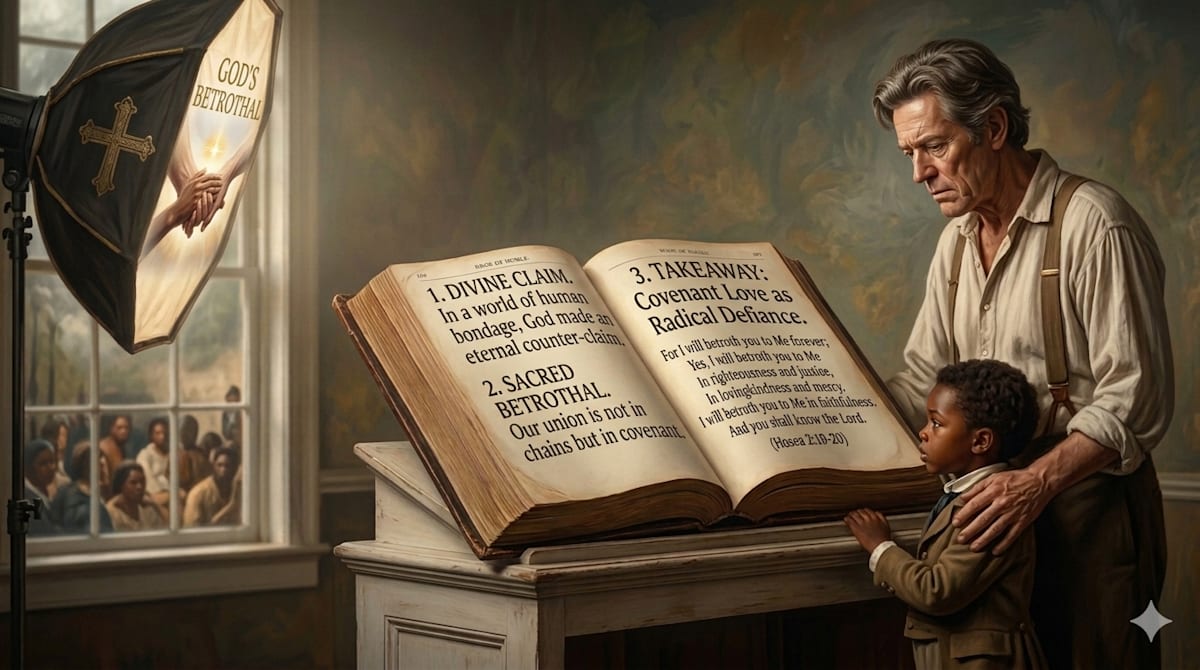
Under the machinery of chattel slavery, Black marriage was a legal impossibility, and families were treated as disposable property. Against this, the language of Hosea 2:19–20—a divine promise of an unbreakable "betrothal"—became a theological manifesto.
By performing clandestine wedding ceremonies using these verses, the enslaved community issued a legal counter-claim against the master’s ledgers. To claim a divine, eternal bond was to assert their "somebodiness" in a system designed to reduce them to objects. These unions were not just religious rites; they were acts of radical defiance that declared Black love was owned by God alone, rendering the auction block ultimately powerless.
4. Takeaway 3: Gomer as the Patron Saint of the "Unconventional" Woman
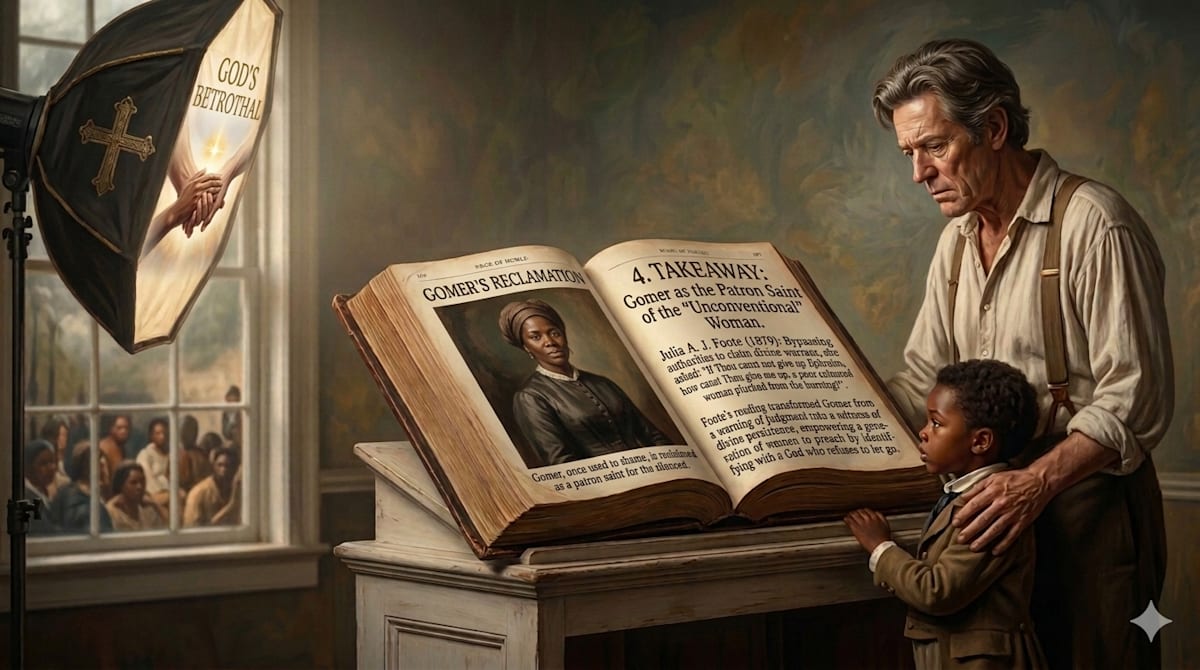
Following the betrayal of Reconstruction, the Book of Hosea migrated from the hush harbours into the Black holiness tradition (1865–1940). Here, the focus shifted to Gomer. Long used by patriarchal interpreters as a figure of shame, Gomer was reclaimed by Black women as a "patron saint" for those whom society and the church tried to silence.
Julia A. J. Foote, in her 1879 autobiography A Brand Plucked from the Fire, executed a brilliant "hermeneutical move." She bypassed white male authorities to claim direct divine warrant for her ministry. Analyzing the parental anguish of Hosea 11, she realized that if God refused to give up on a "stubborn" kingdom like Ephraim, He would never abandon her.
If Thou canst not give up Ephraim, how canst Thou give me up, a poor coloured woman plucked from the burning?
This interpretation served as a theological charter. Foote’s reading transformed Gomer’s story from a warning of judgment into a witness of divine persistence, empowering a generation of women to preach by identifying their own struggles with the heart of a God who refuses to let go.
5. Takeaway 4: The "Emotional Engine" of Nonviolence
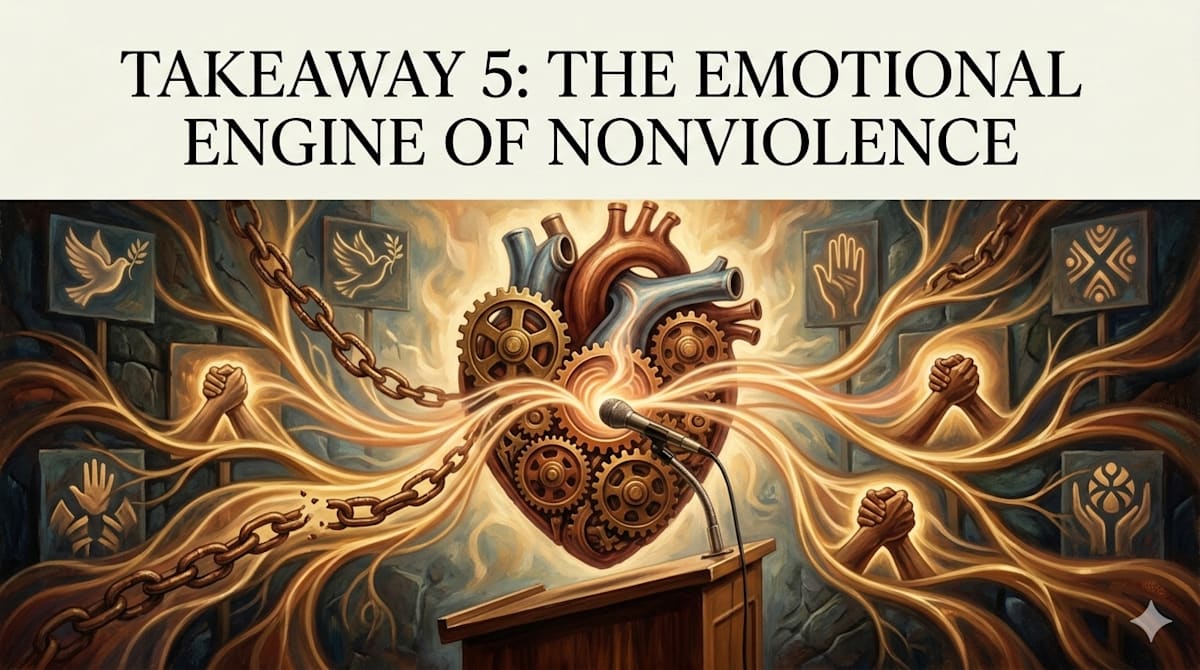
During the Civil Rights Movement, Martin Luther King Jr. identified Hosea 11 as the "moral grammar" of the struggle. He shifted the theological focus from "divine wrath" to Divine Heartbreak, arguing that God refuses to answer violence with violence because His love is constitutively incapable of abandonment.
The Antiphon of Resistance This theology was not just preached; it was enacted in the mass meetings of the SCLC. The call-and-response liturgy—“How can I give you up?” / “The Lord will not give us up!”—became the emotional engine that allowed marchers to endure fire hoses without retaliating.
The bridge between lament and hope was famously articulated by Prathia Hall. In 1962, standing on the charred ruins of Mount Olive Baptist Church, Hall’s extemporaneous prayer wove together Hosea’s wilderness and the "dream" of divine restoration. King, listening from the crowd, adopted her cadence for his own "I Have a Dream" speech a year later, proving that the move from the "valley of trouble" to the "door of hope" was a communal achievement of the movement.
6. Takeaway 5: Turning the "Valley of Trouble" into a "Door of Hope"
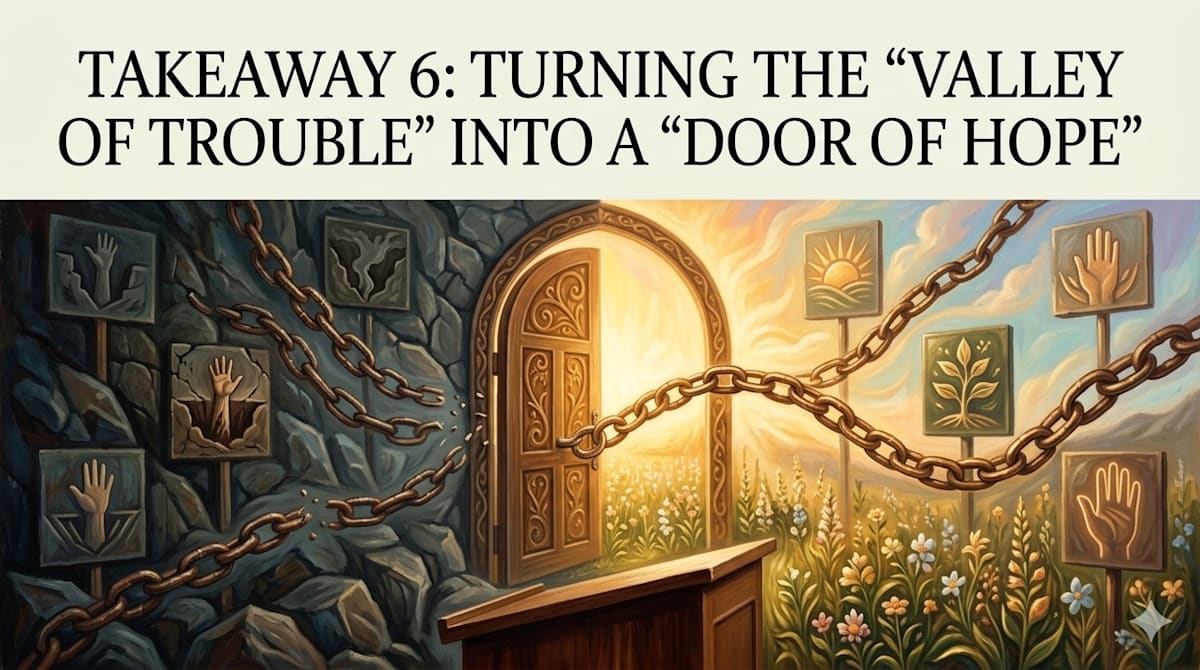
Modern womanist scholars have completed a hermeneutical revolution, rescuing the text from patriarchal weaponization. Scholars like Renita Weems and Wil Gafney have challenged the traditional view of Gomer as a "sinner," exposing the violence inherent in the husband-wife metaphor used to shame women.
In Gafney’s "womanist midrash," Gomer is reimagined not as a wayward wife, but as a trafficked survivor navigating the only economy available to her. This shift moves the "Door of Hope" (the Valley of Achor) from a site of punishment to a site of accompaniment.
The modern womanist reclamation shifts the focus from a shaming patriarch to a God who meets the violated in the wilderness, transforming a site of suffering into a promise of protection and restoration.
7. Conclusion: A 400-Year-Old Unbroken Chain
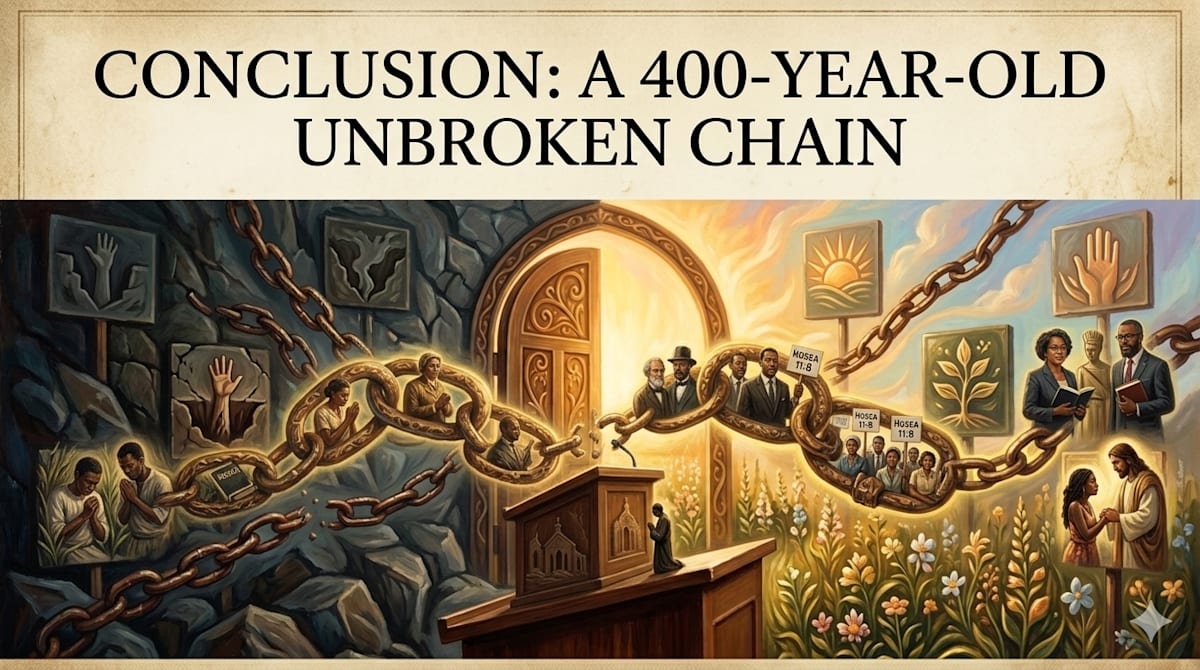
From the enslaved woman praying in a 17th-century canebrake to the modern activist in a burning city holding a "Hosea 11:8" sign, an unbroken chain of resistance stretches across four centuries. The Book of Hosea has been consistently "rescued and re-voiced" by African American interpreters to provide a technology of survival—a way to maintain humanity in the face of dehumanization.
The circle has turned. This history reveals that the most powerful theological insights often come from those who need the promise of the text to survive the night. The "Door of Hope" opened in the wilderness of slavery remains open today, offering a persistent testimony that no earthly power can truly claim those whom God has betrothed in steadfast love.
How does the "Door of Hope" remain open today for those still walking through their own wilderness? It remains open as long as we remember that the God of Hosea is not a God of wrath, but a God of heartbreak, who refuses to give up on the abandoned.