Introduction: The Holiday Mirage
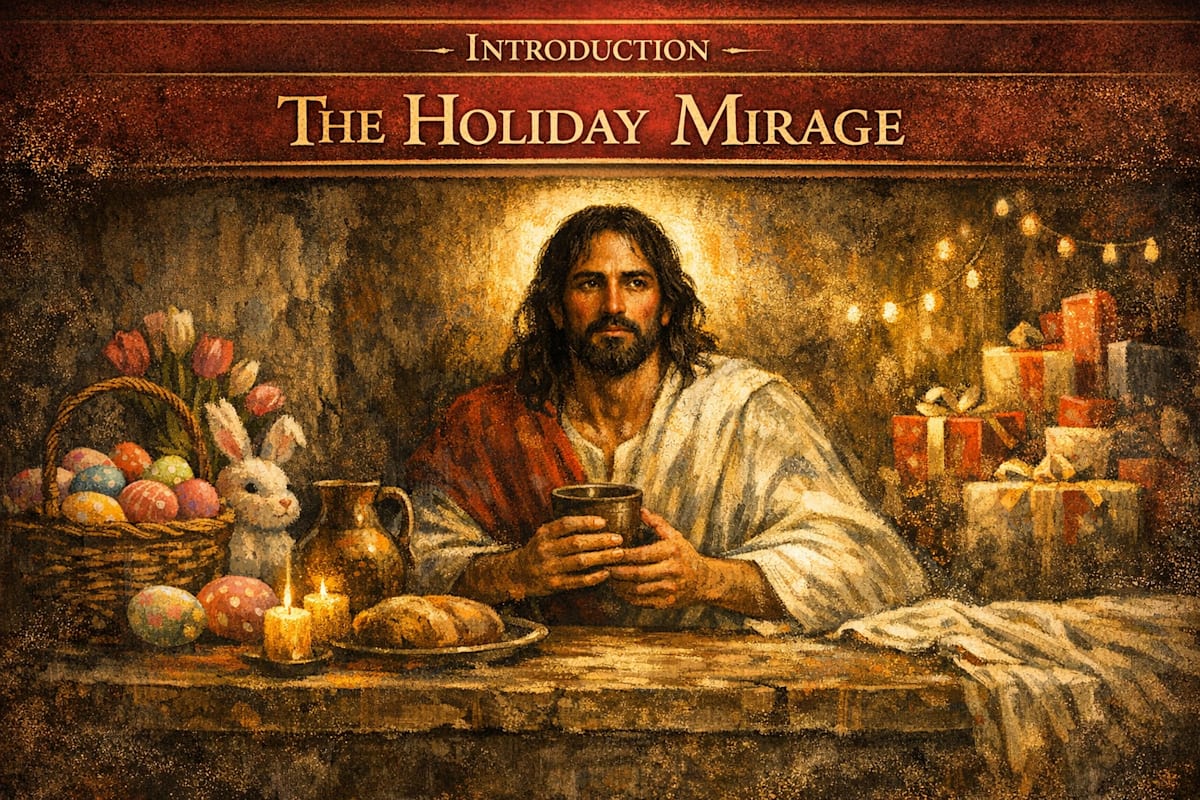
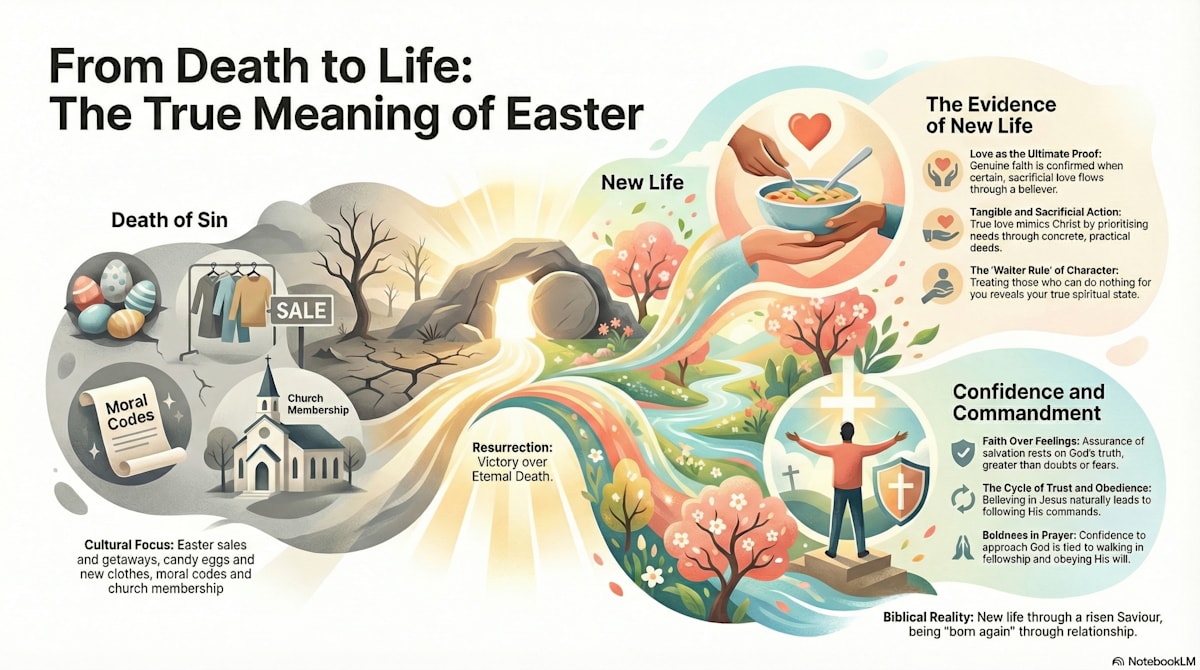
Easter has been rebranded as a low-stakes seasonal escape—a curated aesthetic of pastel sales, getaway airfares, and candy-coated traditions. Yet, beneath this pagan veneer lies a radical, ancient orthodoxy that modern culture finds increasingly difficult to digest. While the world treats the day as a harmless holiday, the Nicaean Creed (325 AD) anchors the event in a far weightier reality: that "true God of true God" became man, was crucified, and "rose again on the third day." This is not a quaint myth for the ethically minded; it is a claim of total ontological transformation. The text of 1 John 3 suggests that the "new life" offered by the resurrection is more counter-cultural and rigorous than the contemporary seeker realizes. It is a transition from death to life that demands more than a weekend celebration.
Takeaway 1: More Than a Moral Code (The "Born Again" Reality)
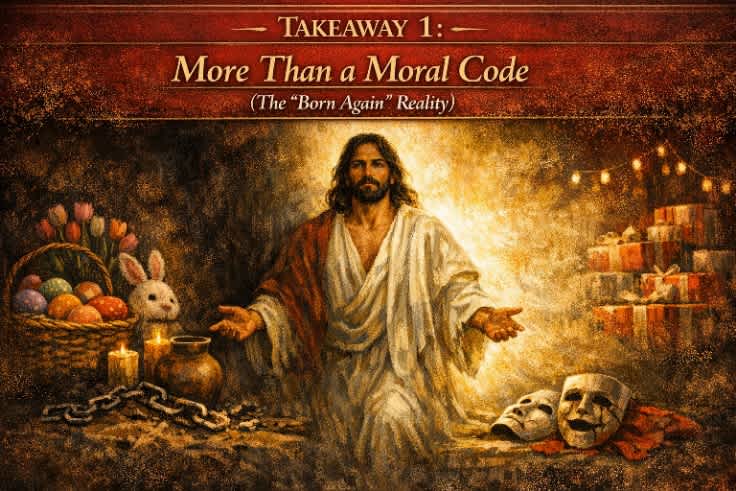
In a society that views religion as a low-stakes ethical hobby, Christianity is often reduced to a series of moral upgrades. Many operate under the assumption that joining a church, checking the box of baptism, or adhering to a civil code of conduct secures their standing before the Divine. However, the biblical text dismisses such superficiality.
The Gospel is not a program for behavior modification, but a spiritual resurrection. To be "born again" is to pass from the death of trespasses into a vibrant, personal relationship with Jesus Christ. This is fundamentally counter-intuitive to a culture that prefers the "moral improvement" model because a resurrection implies that the old self was not merely flawed, but dead. This "New Life" is not a better version of the old one; it is a total displacement of self-sovereignty for the Lordship of Christ.
Takeaway 2: Why the Gospel is "Odious" to the World
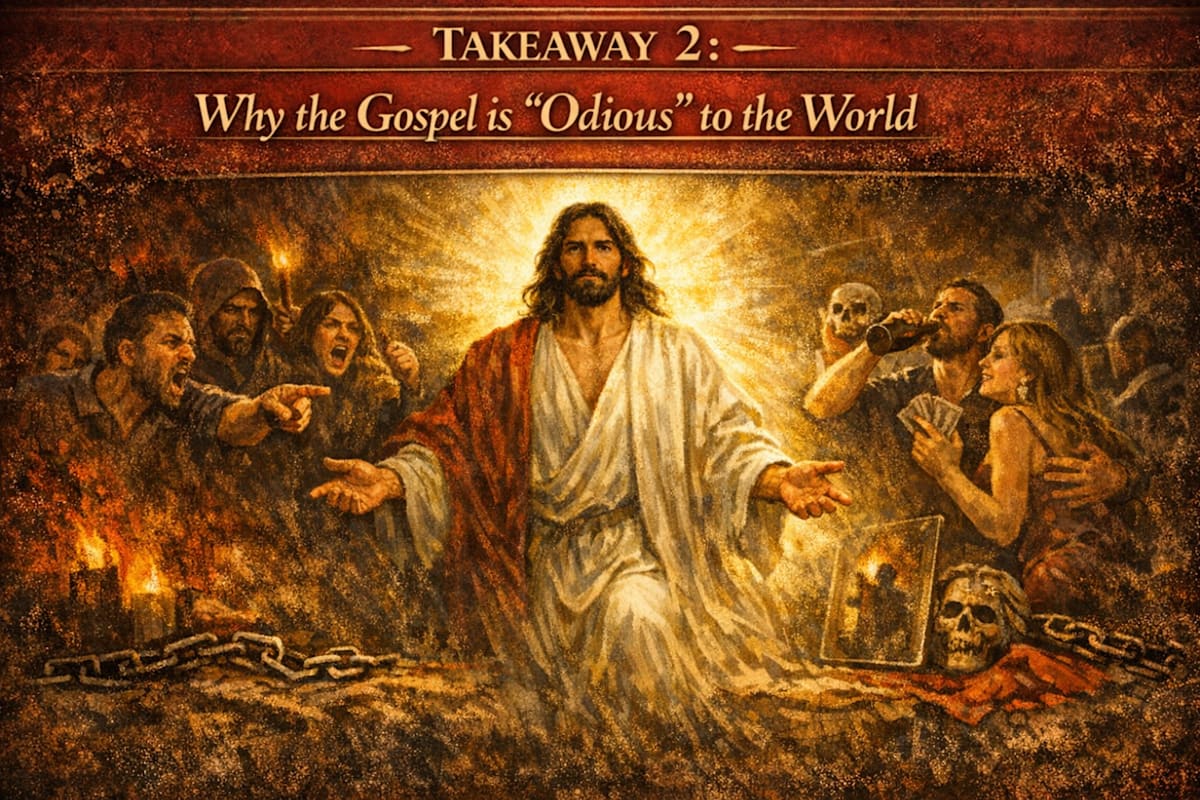
The "new life" described in 1 John 3 is inherently offensive to the secular mind because it challenges the modern idol of absolute autonomy. The human heart, by its nature, rebels against the notion of submission. The Gospel is "odious" because it declares that humanity is not free, but in bondage to sin, requiring humility and repentance. When a believer is truly surrendered, their life becomes a mirror that forces the world to see its own rebellion. This tension is inevitable, as Jesus warned:
"If the world hates you, understand that it hated Me before it hated you. If you were of the world, the world would love you as its own. However, because you are not of the world, but I have chosen you out of it, the world hates you. Remember the word I spoke to you: 'A slave is not greater than his master.' If they persecuted Me, they will also persecute you" (John 15:18-20a).
Takeaway 3: The "Waiter Rule" of Spiritual Authenticity
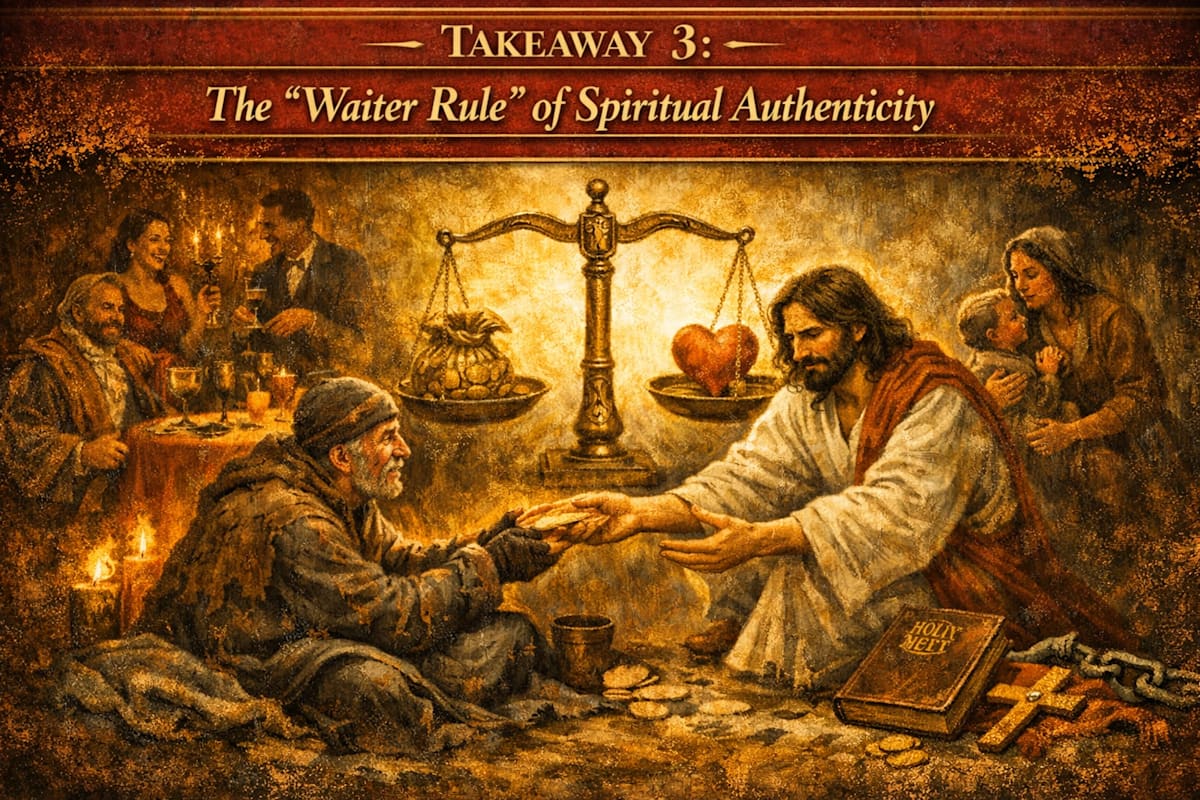
To bridge the gap between religious performance and spiritual reality, the scholar looks to the Greek nuances of the text. In 1 John, the word "know" appears 27 times. John distinguishes between mere perceived knowledge and oida—a certain, definite, and absolute knowledge. This certainty is not found in an emotional high, but in a diagnostic tool: the presence of love.
In the secular business world, Bill Swanson (the former CEO of Raytheon) popularized what he called "The Waiter Rule" in the April 14, 2006, edition of USA Today. He noted that a person who is nice to a CEO but rude to a waiter is not a nice person. Scripture applies this logic to the soul. If the love of God does not flow through a person toward those of "lesser" status or even their enemies, the life of God does not reside in them. The metric is uncompromising: No love, no life.
Takeaway 4: Love as a Determination of the Will, Not a Feeling
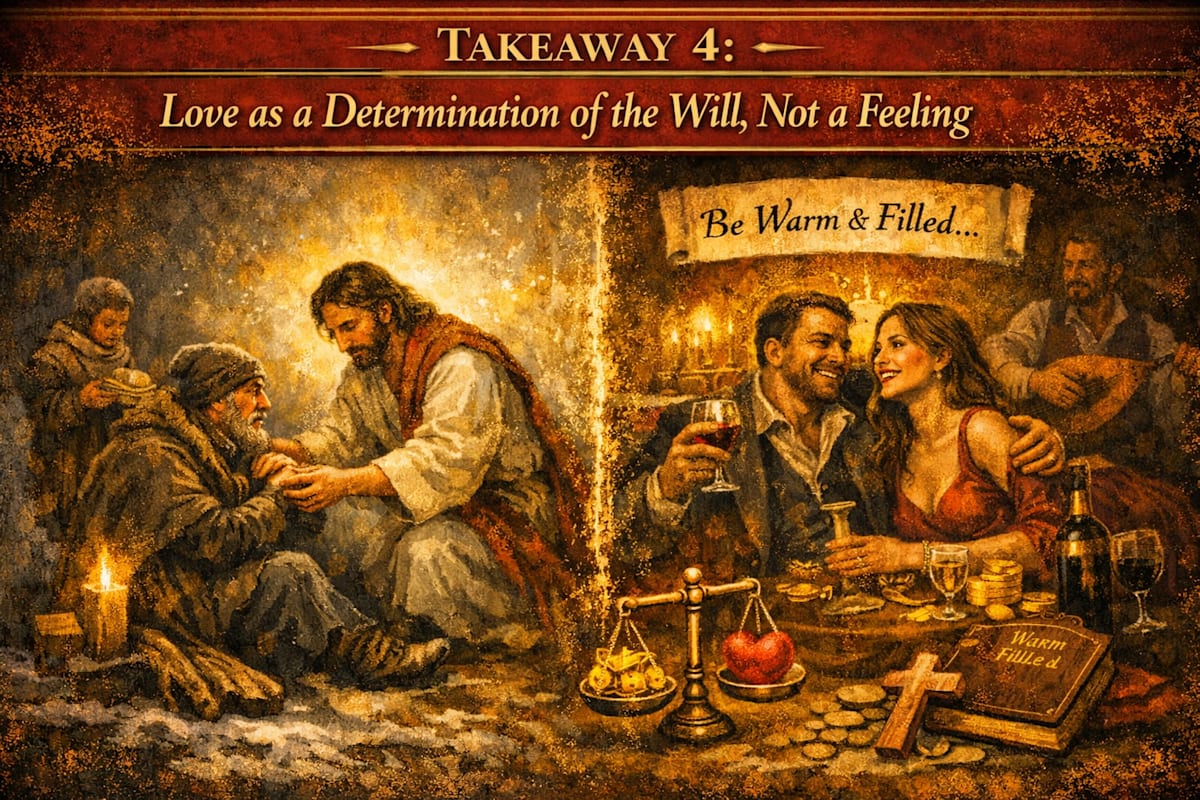
The love required by the New Life is frequently misunderstood as a warm sentiment or a spiritual platitude. If love were merely a feeling, the cross would have been unnecessary; God could have simply "felt sorry" for humanity. Instead, the text defines love through the lens of 1 John 3:16-18: a sacrificial, tangible action.
This is the bridge where faith meets the asphalt of reality. Many are filled with spiritual well-wishes but lack the "Commandment of Action." As James 2:15 points out, telling a brother without clothes to "keep warm" without providing a coat is a dead faith.
"Love is a determination of the will that manifests itself in concrete action."
Takeaway 5: Overriding the "Self-Condemning Heart"
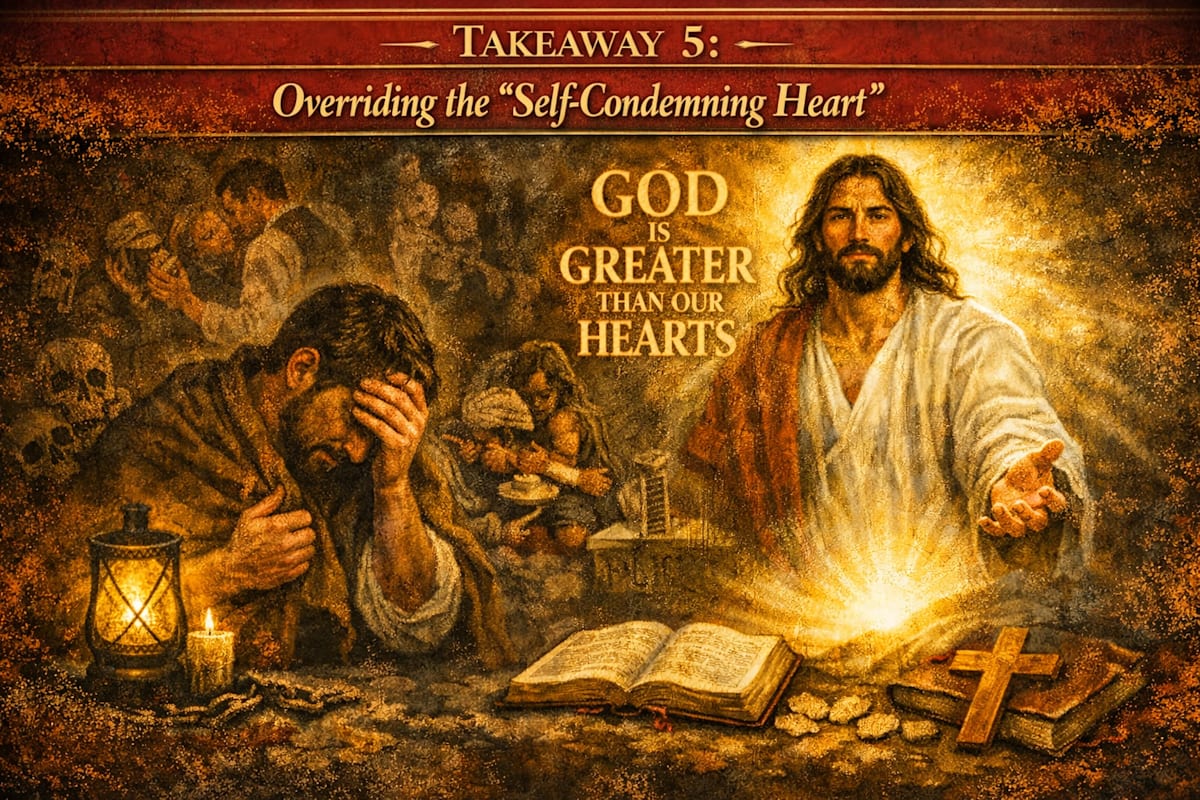
One of the most liberating insights in the text concerns the volatility of human emotion. There are seasons when a believer’s "heart condemns them," where doubt and fear override spiritual peace. John offers a profound intellectual comfort here: God is greater than our feelings.
Our assurance of salvation is not tethered to fluctuating internal moods, but to the objective truth of God’s knowledge and character. When our hearts feel unease or the shadow of old sins, we rely on the fact that God "knows everything." Basing confidence on the finished work of Christ rather than the shifting sands of the psyche allows for a "fearless" approach to the Divine.
Takeaway 6: The Conditional Nature of Bold Prayer
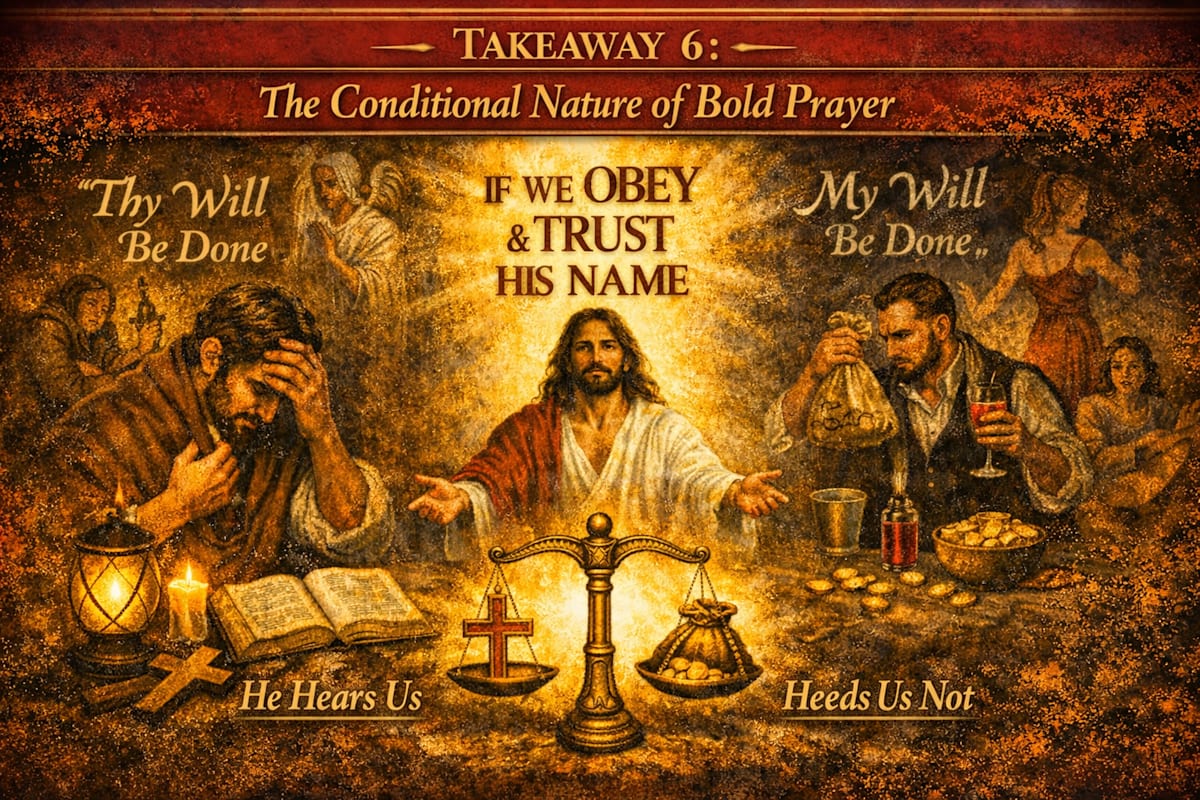
The framework of the New Life is built on two pillars: the Commandment of Faith (Trust) and the Commandment of Action (Obey). John clarifies that while the believer has the "courage to come near" and ask what they want, this is not a blank check for the self-indulgent.
Bold, answered prayer is conditional. It is a byproduct of fellowship and "doing what is pleasing in His sight." To "Trust" in the Name of Jesus is not mere mental assent—a faith that the text notes even demons possess to the point of trembling. True "Trust" is the abandonment of hope in all else. When one is aligned with the Lordship of Christ through faith and action, their prayers naturally align with the Father’s will. God is under no obligation to answer the prayers of the disobedient, for bold prayer is a fruit of a surrendered life.
Conclusion: Beyond the Sunday Celebration
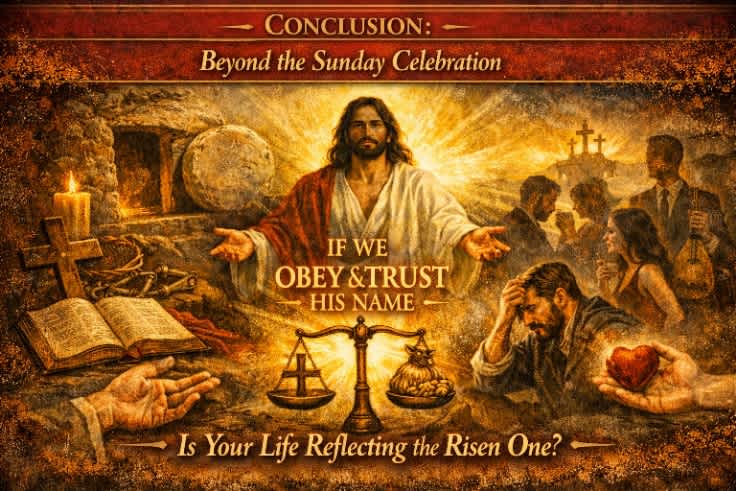
The resurrection of Jesus Christ is not a historical footnote to be commemorated with ritual; it is the catalyst for a fundamentally different mode of existence. As you move past the holiday mirage, the challenge is to look for "substantiating evidence" of the New Life in your daily conduct. Does your life reflect the sacrificial, tangible love of the Savior, or are you merely offering "mental assent" to a comfortable tradition? The question is no longer whether you believe in the event of Easter, but whether your life reflects the nature of the Risen One.