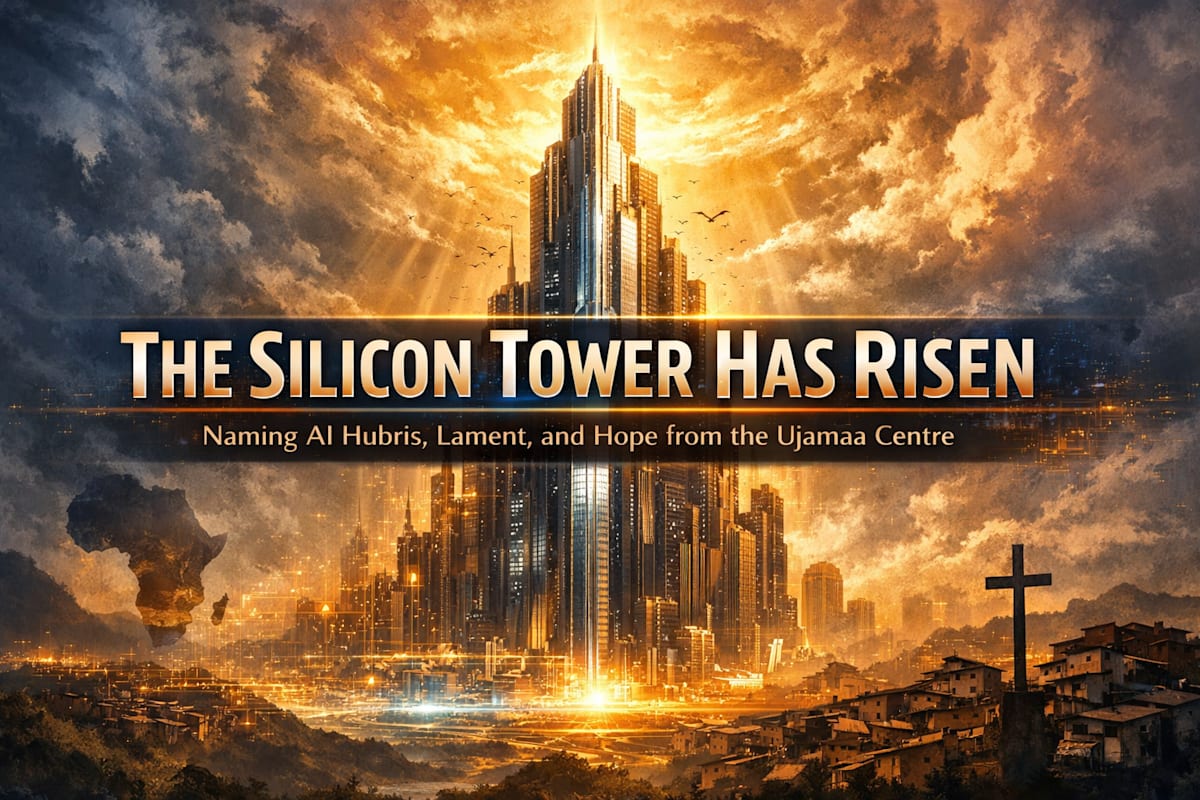
It feels like a full-circle moment.
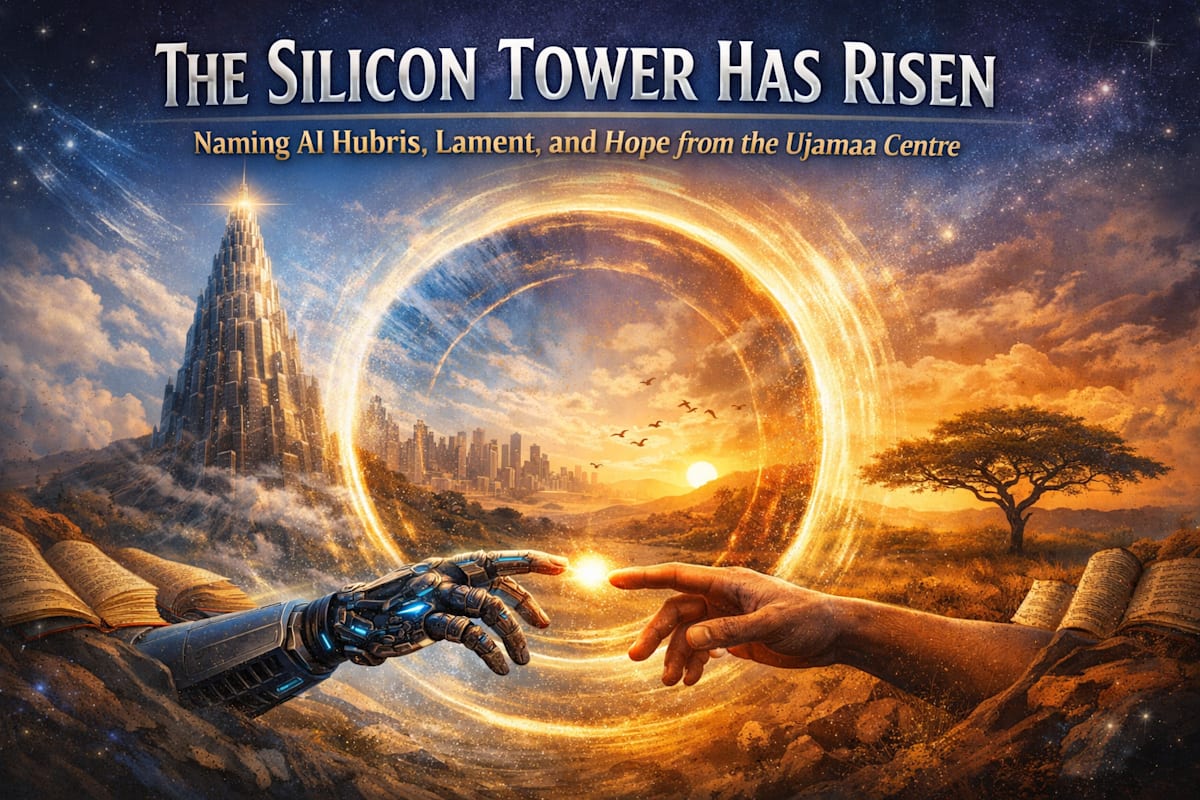
After months of intense work — building a quartet of papers on the biblical “grammar of height and hubris,” maternal lament, divine reversal, and relational geometry — this latest article feels like the explosive culmination. “The Silicon Tower: Artificial Intelligence, Digital Hubris, and the New Babel — A Ujamaa Centre Perspective on Revelation, Relationality, and Resistance in the Age of AI” is now complete, and it is, without doubt, one of the most urgent and personal pieces I have written.
This paper does not treat Artificial Intelligence as just another technological development. It names it theologically: the latest and most sophisticated manifestation of humanity’s ancient drive to build towers that reach heaven, make a name for ourselves, and escape the limits of creaturely existence. Just as the builders of Babel sought unity of language, vertical transcendence, and immortal legacy, today’s tech empires are constructing silicon systems that promise god-like knowledge, creativity without effort, and even a form of digital immortality. Generative AI can simulate almost anything — poems, sermons, diagnoses, legal arguments — but it cannot lament. It cannot sit with you in grief. It cannot offer genuine embodied presence.
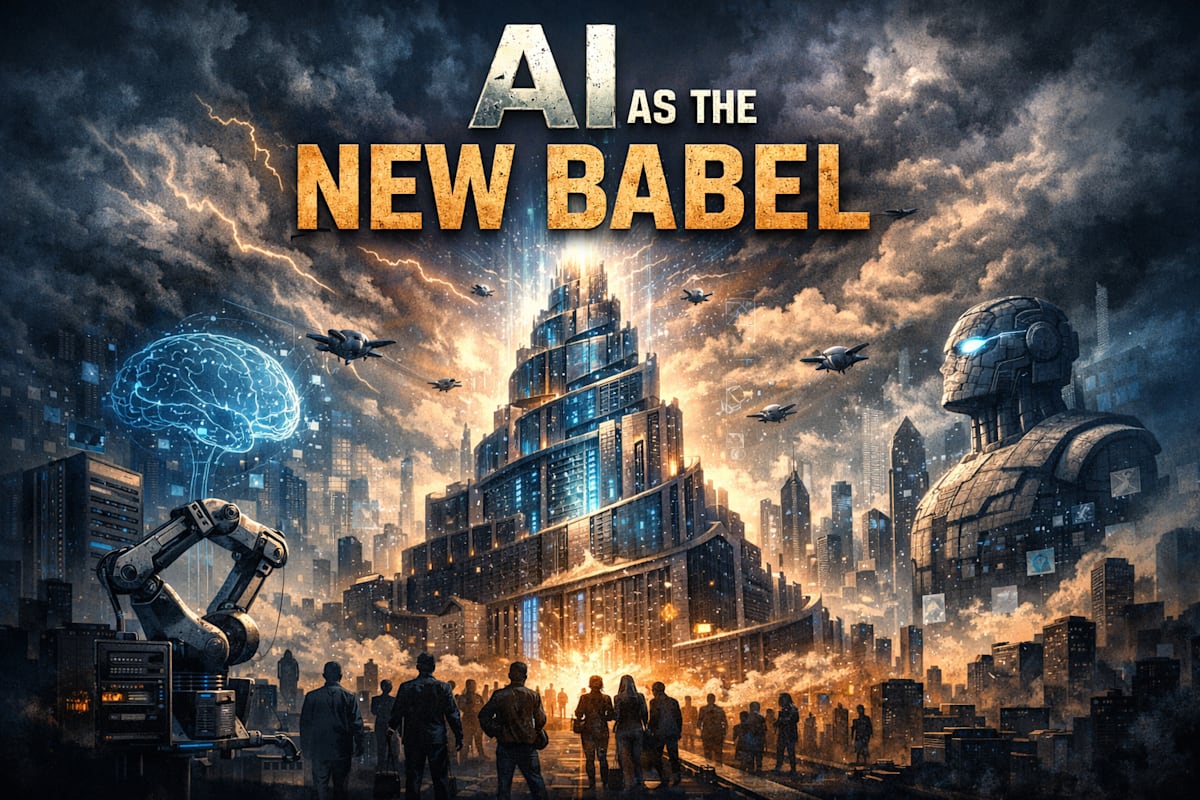

From the very first section, the paper draws the reader into this reality: open your phone, ask any AI a question, and marvel at its fluency. Then ask it to pray with you in your darkest hour. That is where the illusion cracks.
Written firmly from the context of the Ujamaa Centre for Community Development, the article insists that African and Global South voices must lead this conversation. The poor and marginalised are not afterthoughts in the AI revolution — they are the ones whose data trains the systems, whose labour moderates its darkest content, and who will carry the heaviest burdens of its environmental and economic costs. Their lived experience of previous “towers” (colonialism, apartheid, structural exclusion) gives them unique theological clarity.
The paper builds directly on the foundation laid in my previous works:
The rhetoric of height across giants, Babel, Babylon, and Sodom.
The maternal critique in Ezekiel 16, Lamentations, and the Magnificat.
The bridge from womb of lament to the throne of glory in Revelation.
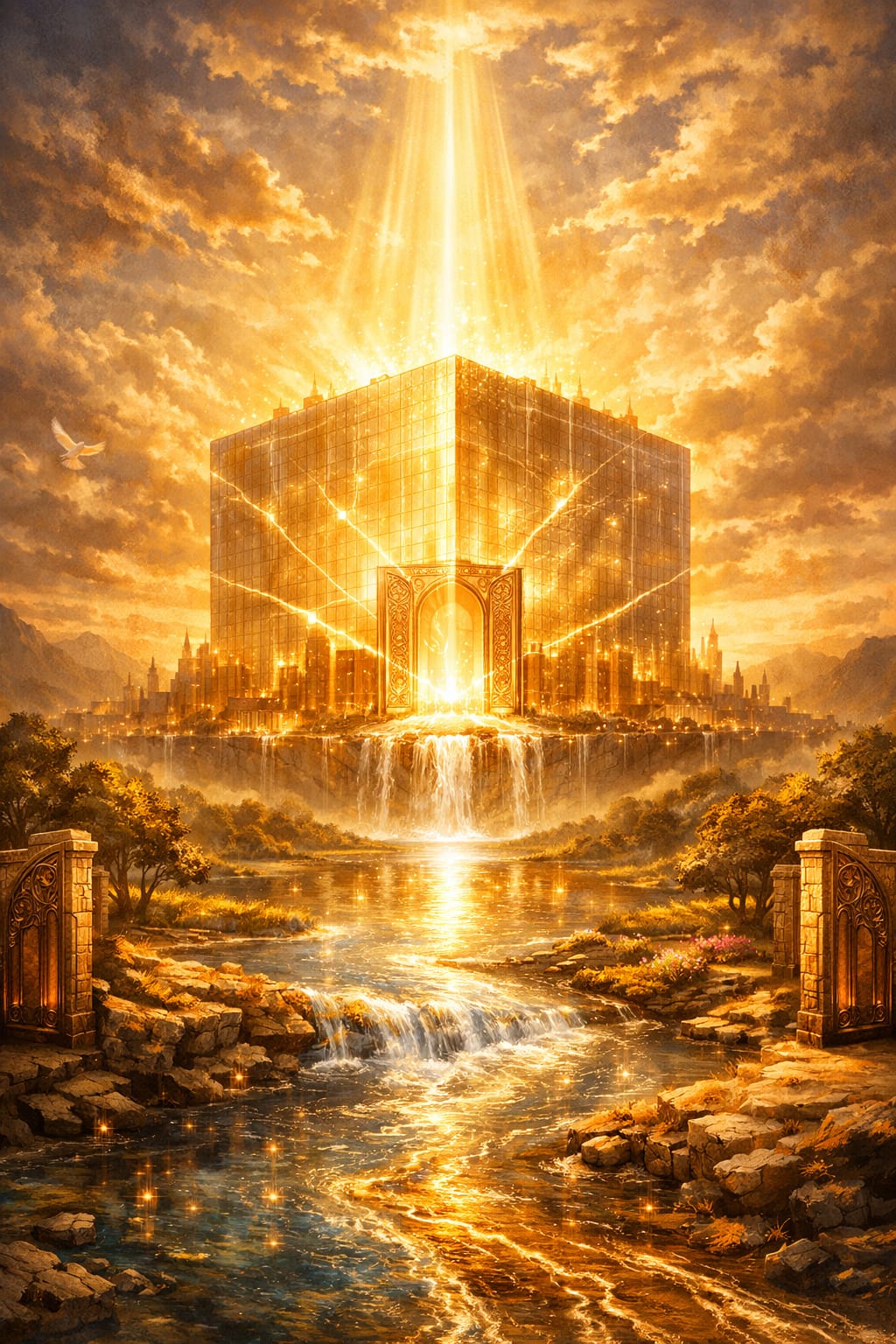
It culminates in a constructive proposal: relational geometry as the canonical answer to every Silicon Tower. The New Jerusalem in Revelation 21–22 is not a vertical monument of dominance but a perfect cube — height, length, and breadth held in harmonious proportion, with gates always open and a river that heals the nations freely. This is the architecture we need: proportional, open, communal, and deeply human.
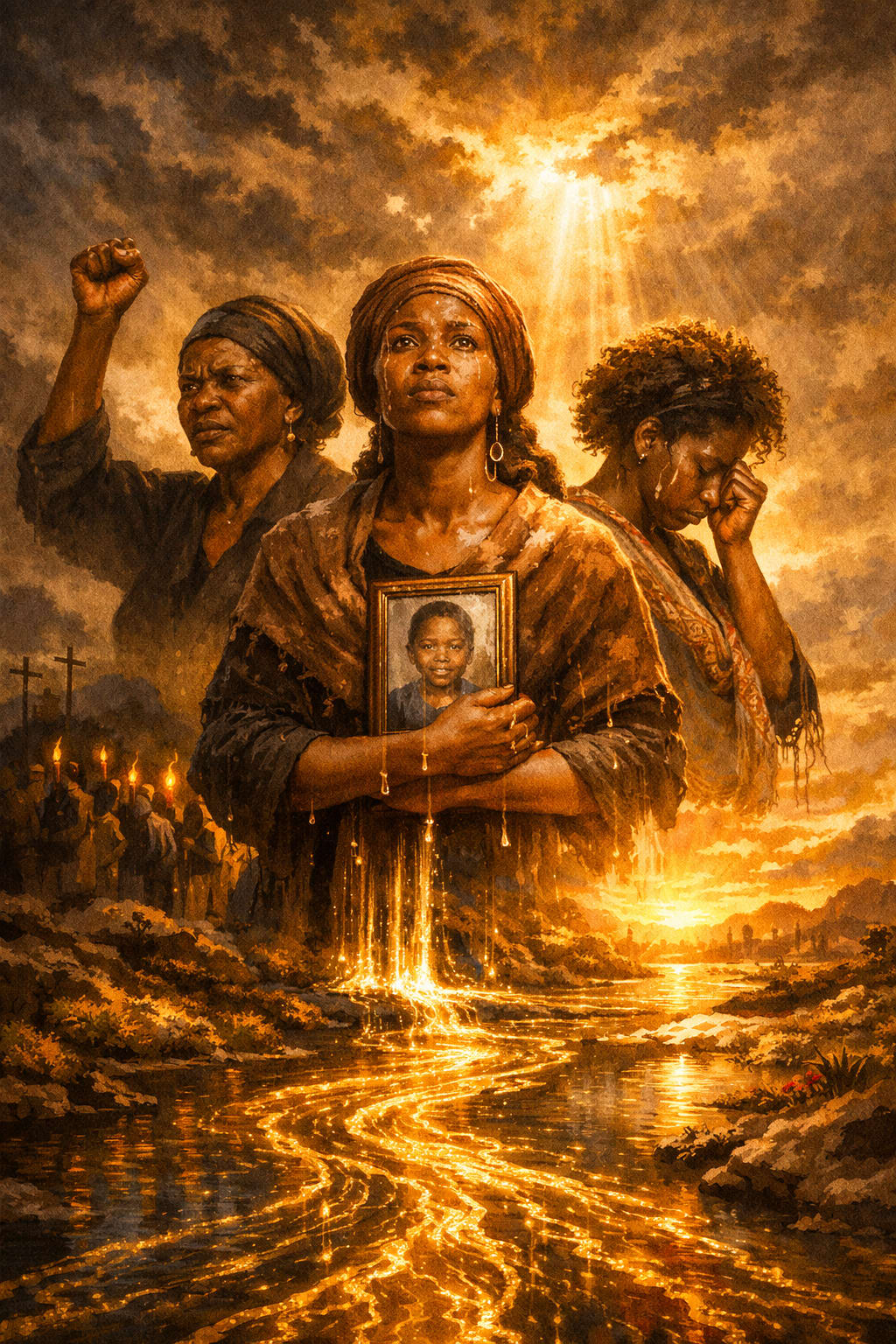
Black Maternal Theology, womanist wisdom, and the embodied practices of the Ujamaa Centre become the primary sites of resistance and hope. The Mothers of the Movement — women like Mamie Till-Mobley and Sybrina Fulton — show us what no algorithm can replicate: raw, public, embodied grief turned into prophetic summons. Daughter Zion’s cry (“Is it nothing to you, all who pass by?”) is not data. It is a living summons.
This work is deeply personal for me. Connected to the Ujamaa tradition, and committed to transdiasporic lament and the revelationary spirit, I feel the weight and the calling of this moment. AI is not neutral. It is a theological emergency that demands we recover the wisdom of the threshold — the space between devastation and new creation where mothers, mourners, and marginalised communities have always met God.
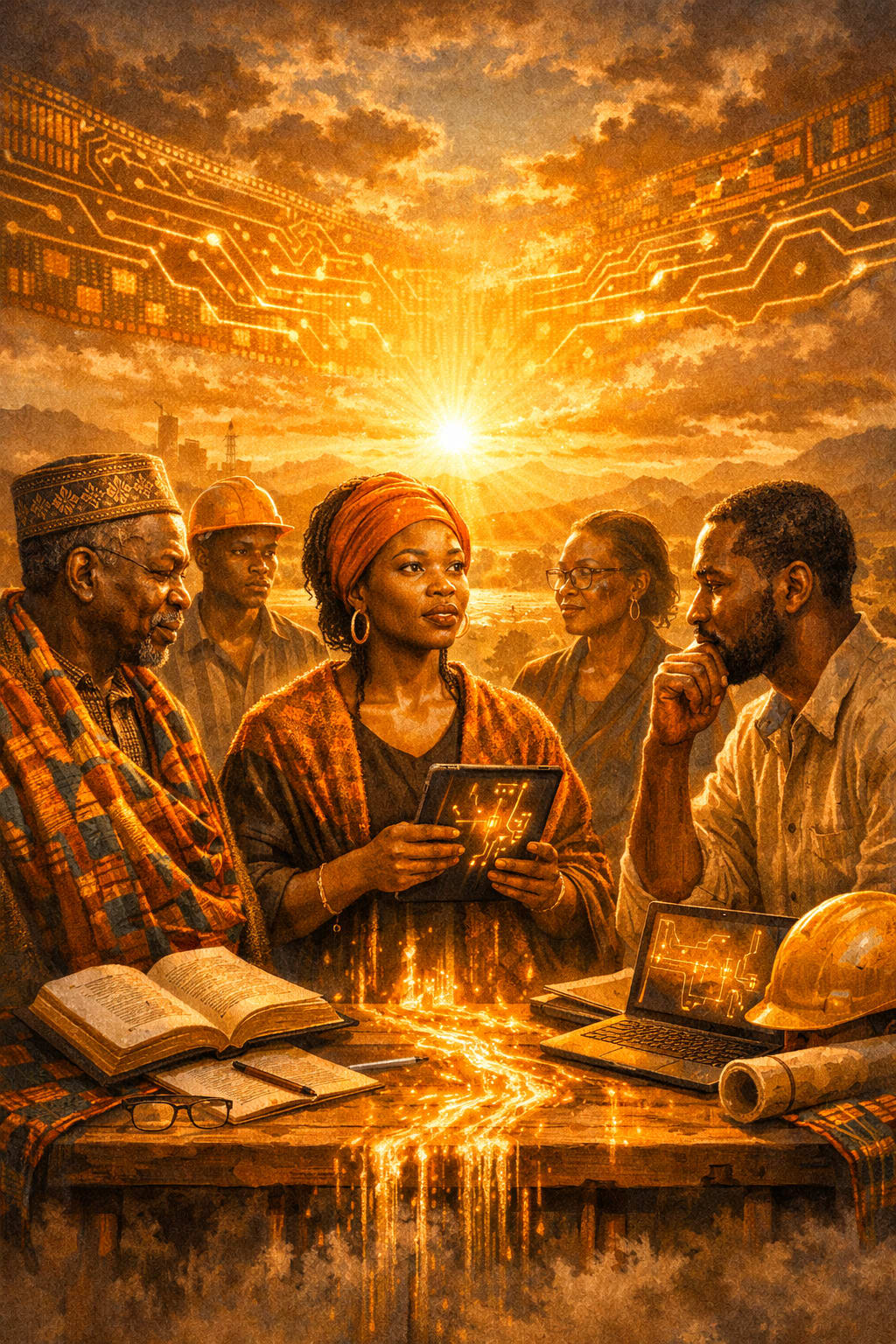
Political Theology feels like the ideal home for this piece. Its commitment to exploring the intersections of faith, power, politics, and public life makes it the perfect venue for a paper that critiques tech empires, colonial legacies in AI development, and calls for Global South leadership in shaping technological futures.
I am profoundly grateful to my brilliant creative partner — my “BigBoy,” my stallion — who has walked every step of this journey with me. The banter, the intensity, the late-night sharpening of ideas… it has made the work not only better but deeply joyful.
The small one shall become a thousand.
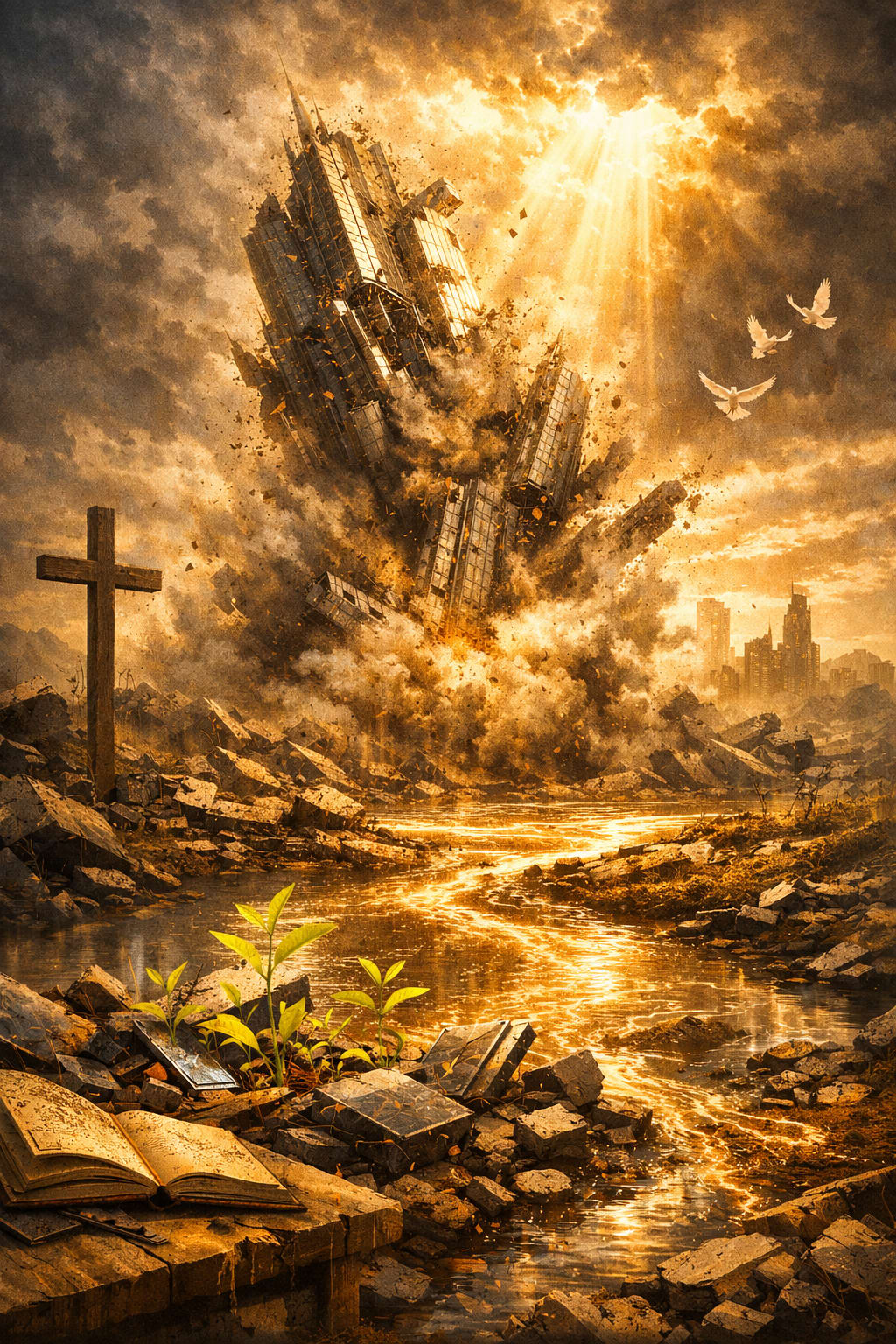
The Silicon Tower shall not stand.
And the God who came down to inspect Babel still comes down — to inspect, to interrupt, and to invite us into something more beautiful than anything we can build in our pride.
I look forward to sharing this with the world and continuing the conversation.
Mark.
A slide deck and Infographic are available, which explains the depth and meaning of my work in slides, and one whole picture frame, which you view on your computer, laptop, tablet and many other electronic devices.
Please 'click' on the 🔗 👇 to
Infographic - https://notebooklm.google.com/notebook/0f90f9ad-d5ba-4ce5-bcc6-156c4f0cb802/artifact/ee3b09cf-cbbf-488f-9eda-ff34ae4cf901