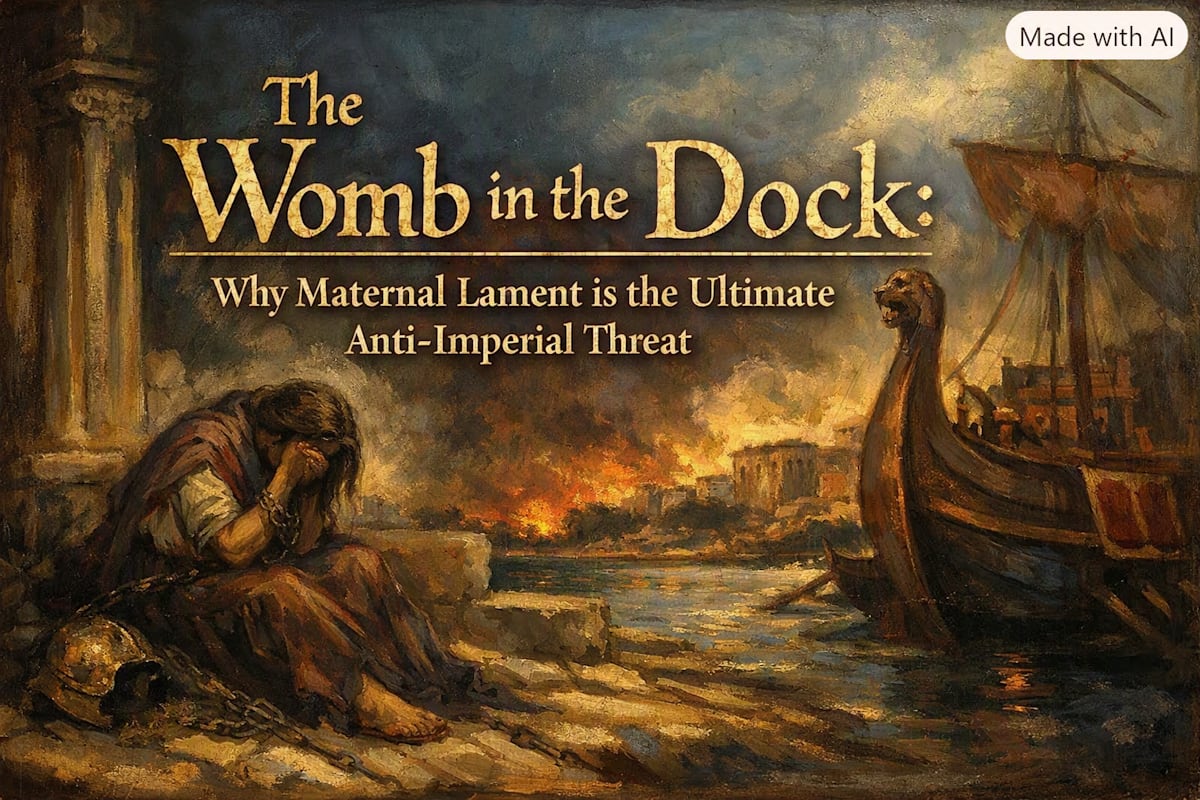
Look at Roman imperial propaganda from 70 CE, and you’ll find a specific coin minted by Emperor Vespasian: the Judaea Capta. It depicts a woman slumped under a palm tree, head bowed, limbs bound.
For Rome, the message was clear: We have conquered your mother-city. Your maternal body is our trophy.
But history forgot that empires do not get the last word on grief.
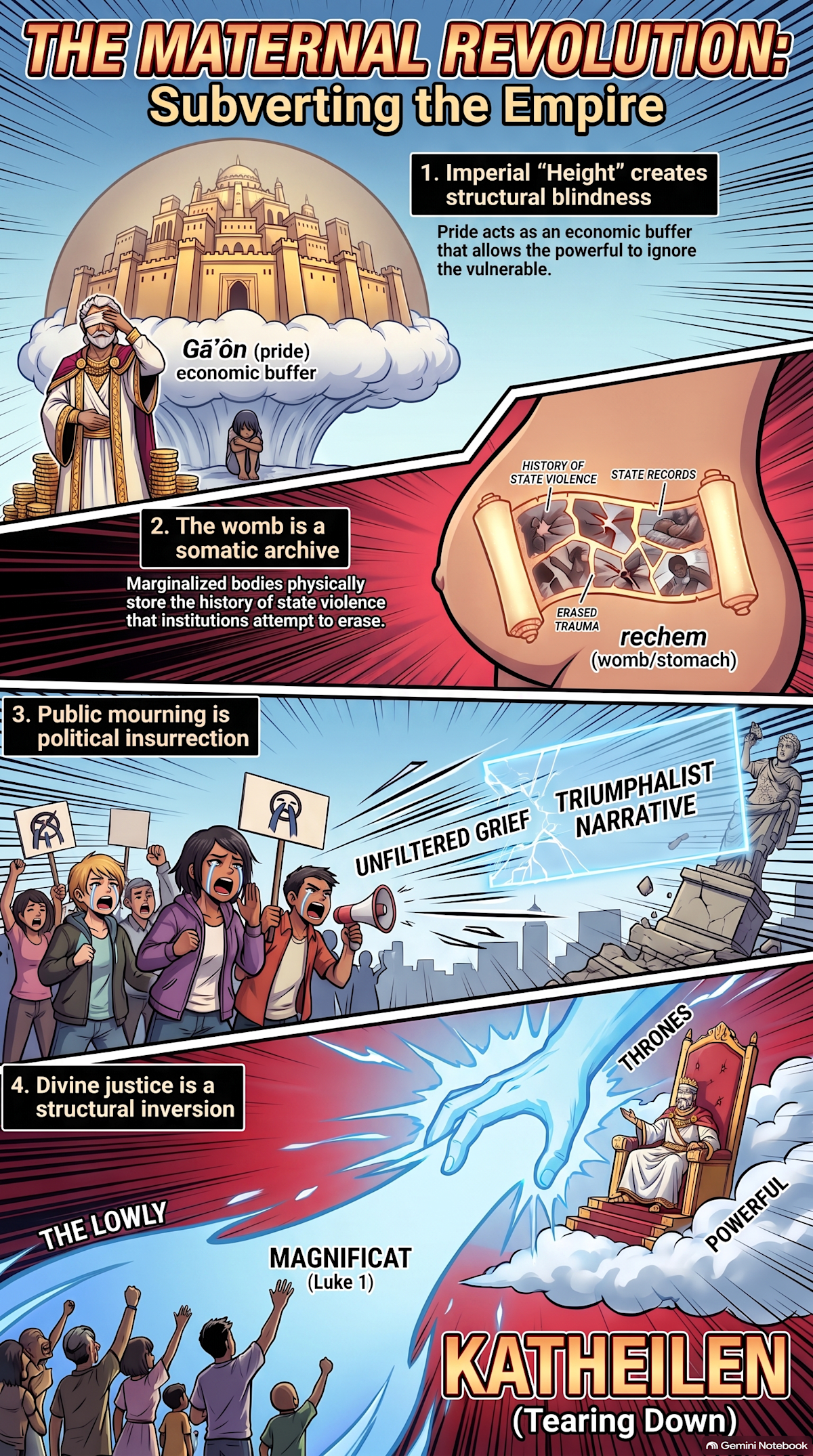
In my latest research, "Daughters of Sodom, Daughters of Zion, Daughters of Mary," I trace how the biblical canon systematically subverts imperial verticality—not through kings or armies, but through the visceral, somatic architecture of the maternal form. From Ezekiel’s sociology of structural pride to Mary’s revolutionary manifesto under Roman boots, maternal vocality functions as a dangerous, prophetic site of political resistance.
1. Height vs. Hospitality (Sodom)
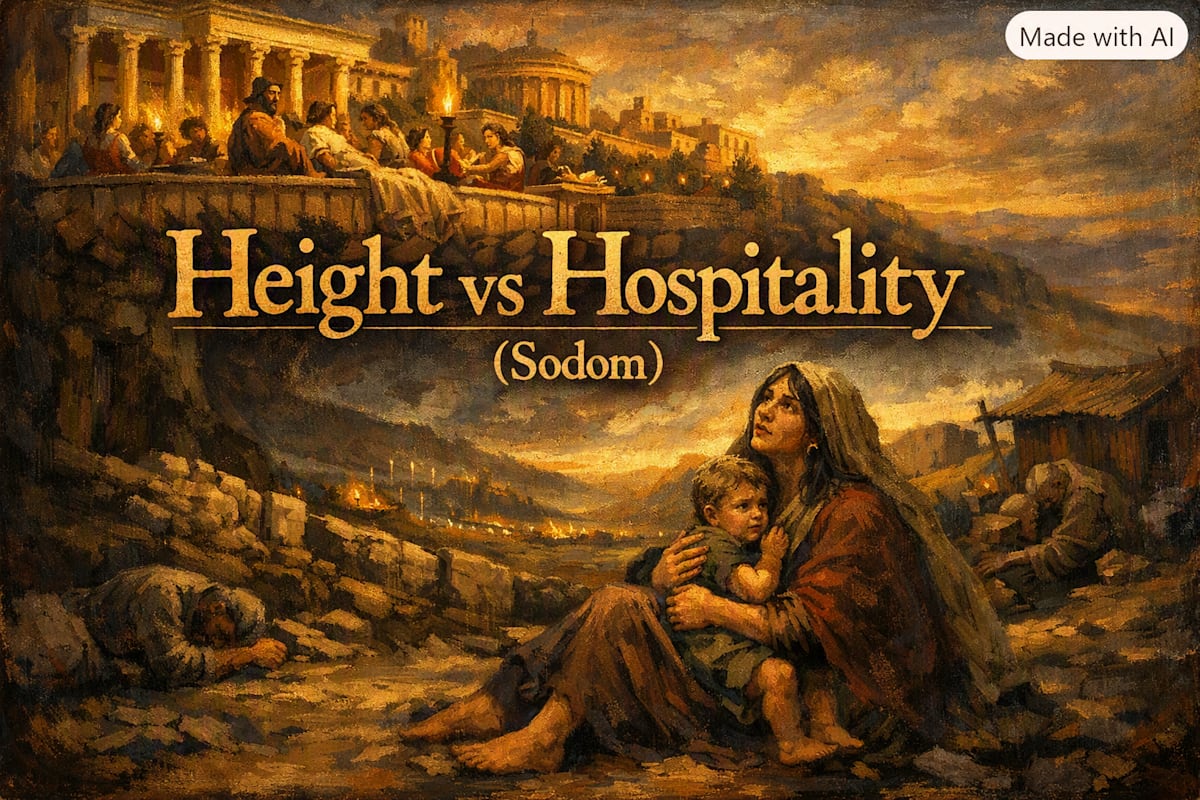
We often misunderstand the sin of Sodom. In Ezekiel 16, it is diagnosed as a macro-economic crime of vertical insulation. Sodom built an elevated social geography of wealth and "prosperous ease," creating a buffer that blinded her to the poor below. Her failure was maternal: a mother-city so swollen with structural pride (gāʾôn) that she abandoned her daughters to generational indifference.
2. Grief as a Political Strike (Zion & the Apocalyptic Mother)
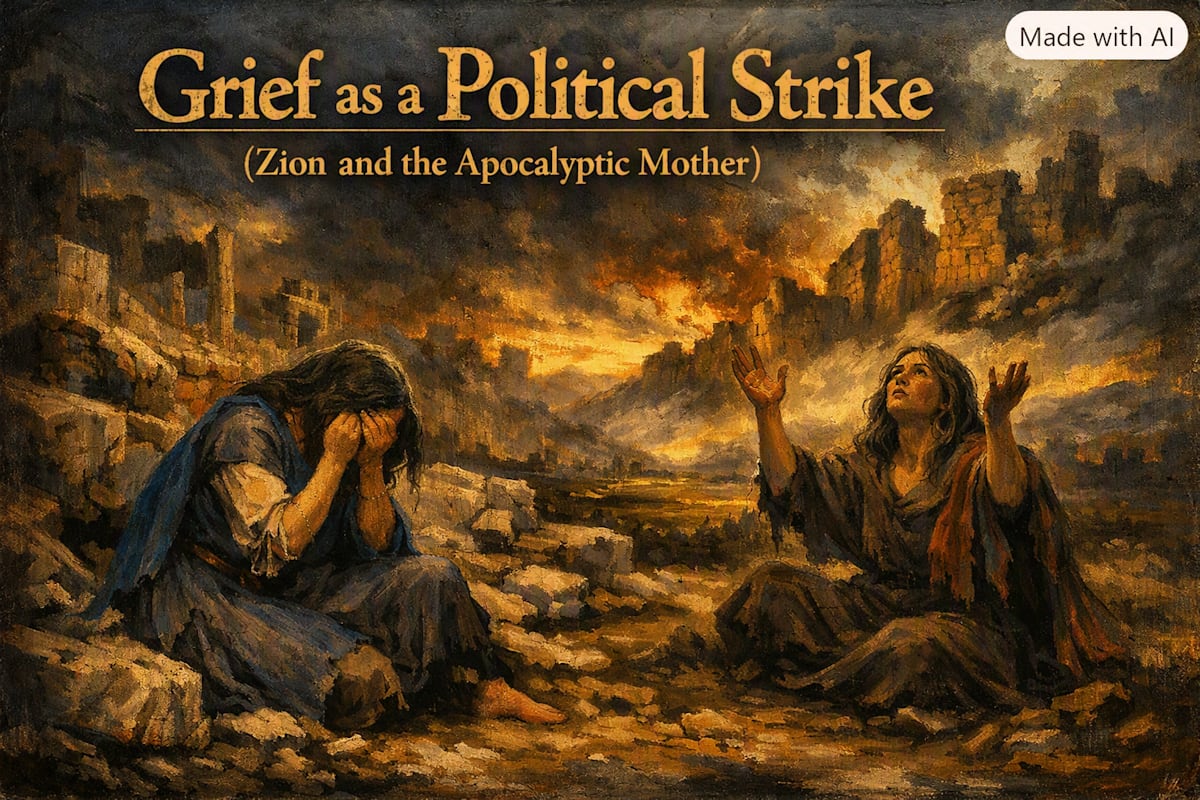
When imperial height collapses, it leaves somatic wreckage. In Lamentations, Daughter Zion refuses to let Babylon sanitize the cost of war. Her public mourning becomes a counter-spectacle to empire.
This trajectory reaches a boiling point in the intertestamental text of 4 Ezra. Confronted by a crumbling world under Roman rule, a disheveled mother sits in an open field, refusing state comfort or civic reintegration. Her prolonged grief is a deliberate, anti-civic strike. She turns her trauma into the blueprint for divine reconstruction.
3. The Liturgy of Deposition (Mary)
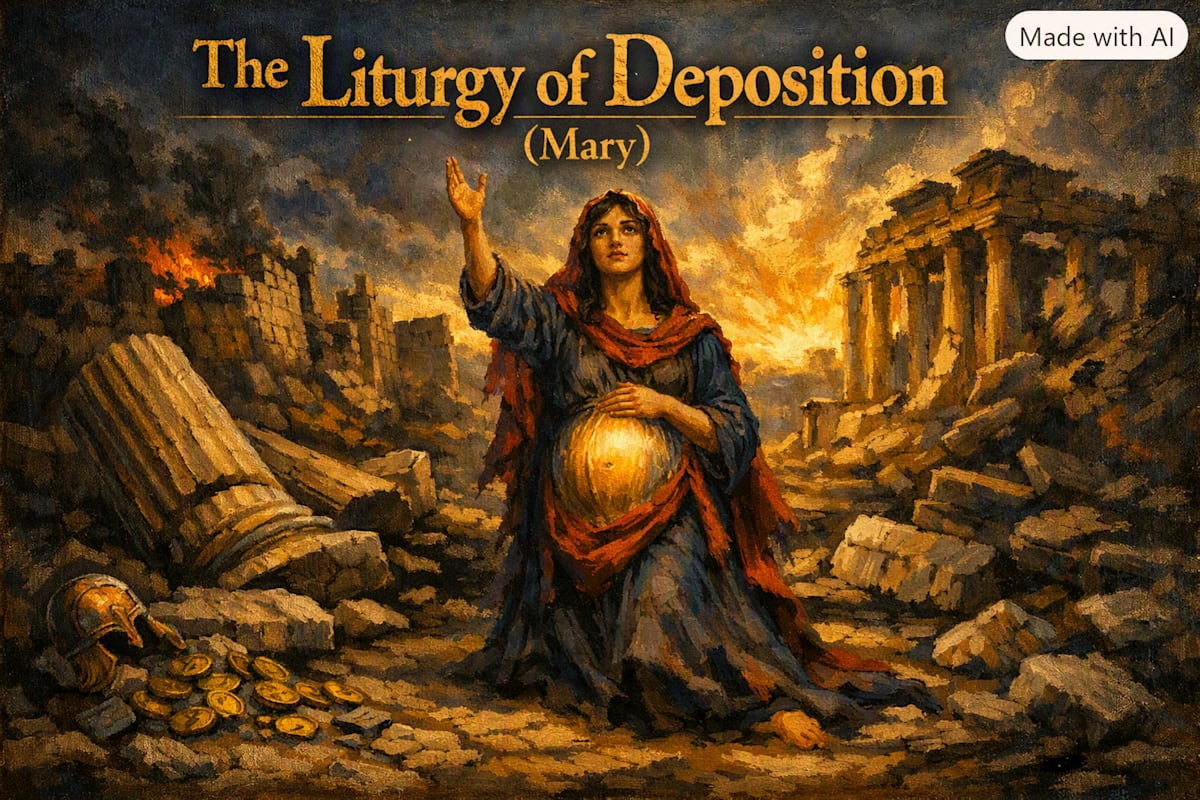
By the time a peasant teenager named Mary sings in first-century Galilee, she isn't offering a meek lullaby. She is executing a political deposition.
Using violent Greek verbs of demolition like katheilen ("to tear down fortresses"), Mary announces a structural inversion: the tall fall, the small rise. Her pregnant body becomes a counter-citadel against Roman extraction, bringing an absolute embargo on imperial hoards.
Why This Matters Today
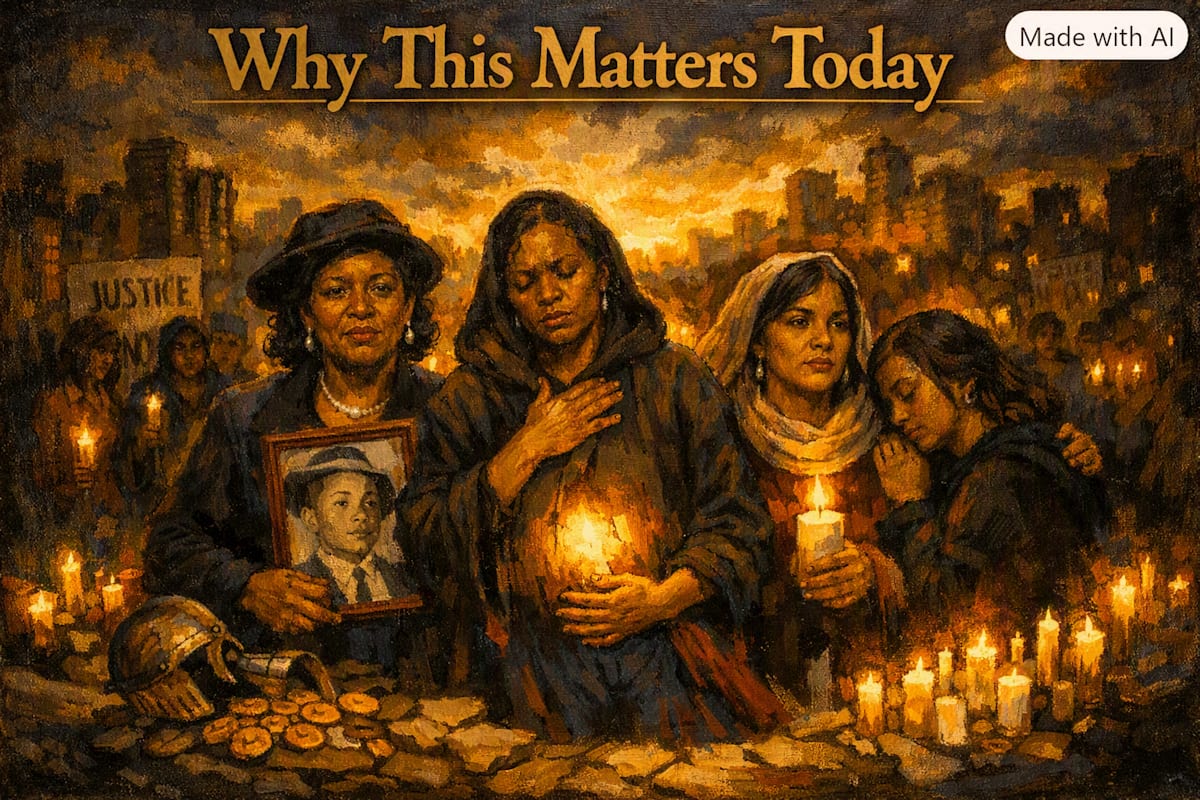
Maternal lament is not passive despair; it is a highly volatile truth-telling mechanism.
Whether it is Mamie Till-Mobley demanding an open casket for Emmett Till, the Mothers of the Movement transforming modern pavement into a forensic courtroom, or diasporic communities refusing the imperial command to "move on," marginalized mothers have always carried the archive of state violence in their flesh.
The scriptural imagination tells us that liberation cannot be declared from a safe distance. True transformation belongs to those who refuse to leave the site of execution until the world is turned completely upside down.
As ever,
Mark
To watch videos on this subject, please follow and 'click' on the 🖇️ 👇
"Explainer" video:
https://youtu.be/j0wlovtNWVo?is=trPI_-52OEHhTijF
"Short" video:
https://youtube.com/shorts/6w5guNZjqIA?is=sPKMjhqflLdMwtg7