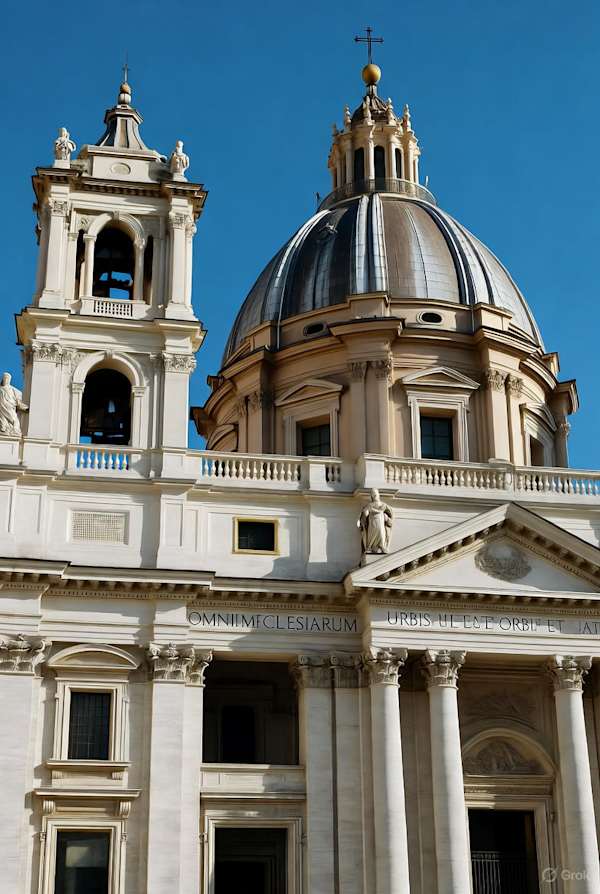
The ancient stones of Rome have witnessed the rise and fall of empires, the birth of new ideas, and the prayers of countless generations. Yet, as we journey through the month of November, one particular monument 'the Archbasilica of St. John Lateran' recalls a spectacular chapter not just in the story of Catholicism, but in the shared journey of all Christians.
From Imperial Barracks to Christian Cathedral
Before becoming the center of papal power, the site of the Lateran Basilica was once home to the "Castra Nova Equitum Singularium," the barracks for Emperor Septimius Severus’s elite imperial cavalry. After Constantine’s decisive victory at the Battle of Milvian Bridge in 312 AD, the fort was demolished, and the land was gifted by Constantine to the Bishop of Rome.
This remarkable transformation, from a military stronghold to the first public Christian basilica, illustrates Christianity’s dramatic rise from persecution to prominence, embodied by the Lateran’s stones still resting above the old barracks beneath the nave
The Mother and Head of All Churches
Despite St. Peter’s Basilica’s fame, the cathedral church of the Pope is actually the Lateran Basilica, known as the “Mother and Head of all Churches” worldwide. It was consecrated in 324 AD by Pope Sylvester I and served as the papal residence for over a thousand years. The Lateran isn’t just the oldest major basilica; it witnessed pivotal moments like councils that helped define Christian orthodoxy, was rededicated to St. John the Baptist and St. John the Evangelist, and holds sacred relics like the “Holy Stairs,” making it a living symbol of Christianity’s enduring legacy and unity.
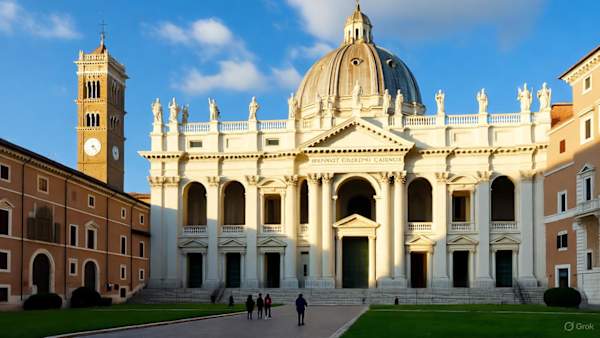
For Anglicans, the rhythms of the Christian calendar are familiar and comforting, marking seasons of hope, repentance, and celebration. Yet November 9th, a seemingly ordinary date between All Saints and Christ the King, offers a hidden treasure: the Feast of the Dedication of the Lateran Basilica.
Though it may not line the pages of Anglican prayer books, its message echoes across our traditions, a reminder that buildings, saints, and history continue to shape our faith and our identity.
What makes a church more than mere bricks and mortar?
Why do Christians, from dignitaries and popes to lowly pilgrims, take time to honour the dedication of a building nearly 1,700 years old?
The answer begins in the twilight of the Roman Empire, with a gift from Emperor Constantine himself. Emerging from centuries of persecution and secrecy, the early Church received the Lateran Palace, a symbol of new freedoms and hope.
From that foundation rose the Lateran Basilica, consecrated by Pope Sylvester I in 324 AD: the first public Christian church in Rome, the “Mother and Head of all Churches” of city and world.
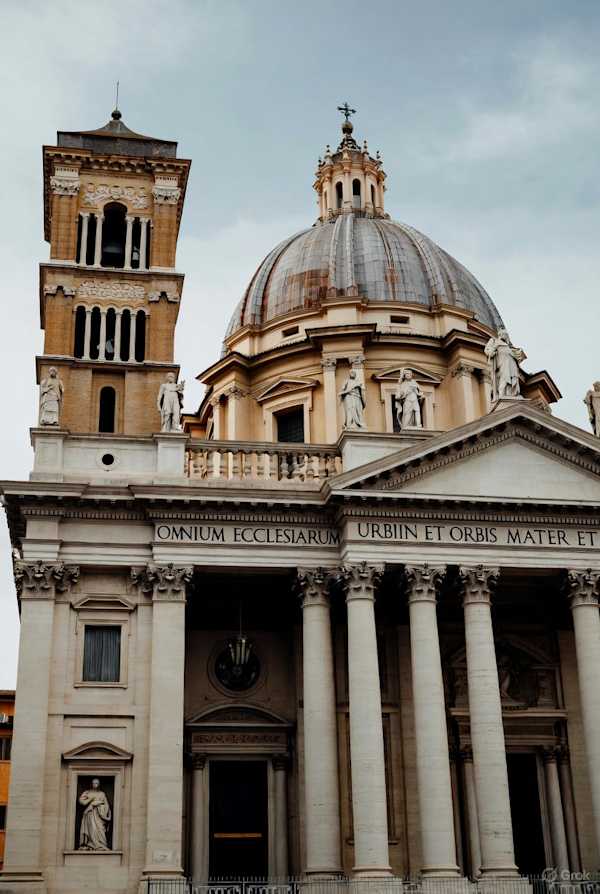
From its earliest days, the Lateran was far more than the Pope’s cathedral. It was a statement, a sacred architecture for a faith emboldened, a gathering place for Christians finally able to worship openly. But just as importantly, the Lateran became a living symbol of the church as a community called to unity, witness, and wholeness.
Its soaring columns and ancient relics evoke the struggles and triumphs of the Church universal: schisms and reconciliations, reforms and revivals, tragedy and renewal.
For Anglicans, whose history is itself marked by cathedrals and parish churches, the dedication feast poses vital questions.
How do our sacred spaces shape us, and what does it mean to be “living stones” built into God’s spiritual house?
St. Paul’s words unite us: “Do you not know that you are God’s temple, and that God’s Spirit dwells in you?” The Lateran’s feast challenges all followers of Christ to see beyond walls and windows, to the spiritual reality underlying every church, Catholic, Anglican, Orthodox, or otherwise.
Yet the story is not solely Rome’s to tell. The Lateran has been rededicated, first to St. John the Baptist and later to St. John the Evangelist, adding further nuance to its role as a beacon of faith.
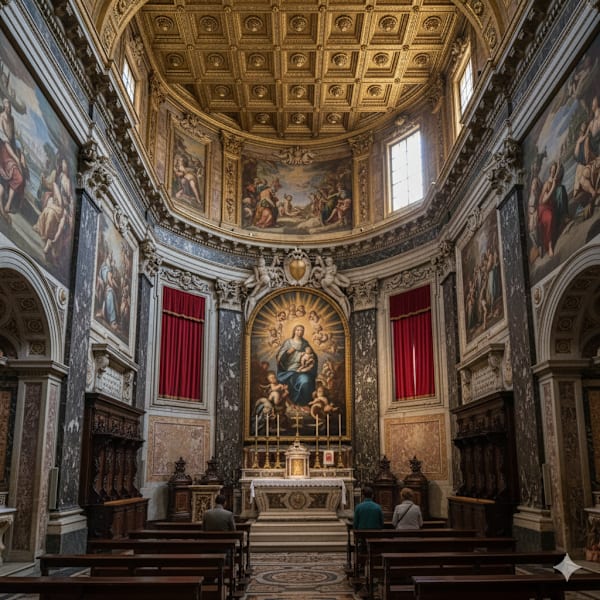
Pilgrims from across Christendom have knelt in its chapels...
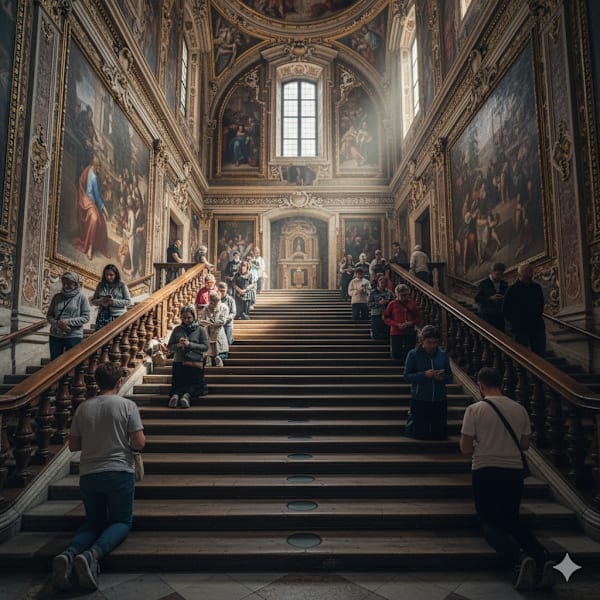
Prayed before its “Holy Stairs,”...
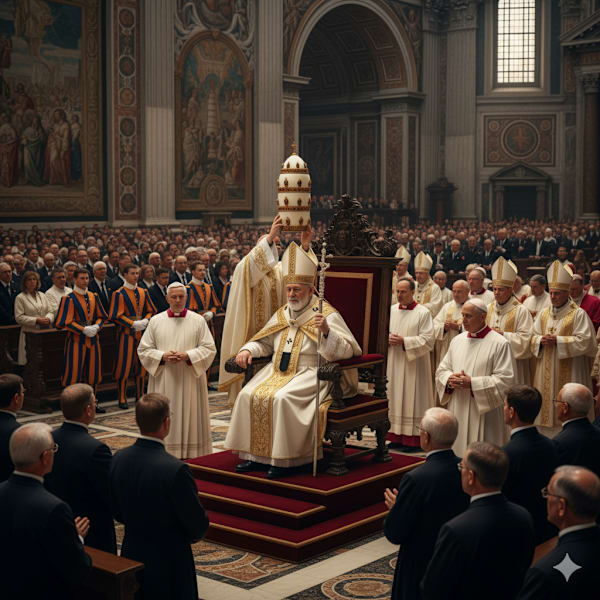
Where Popes's are enthroned...
This sense of unity does not erase our distinctiveness. Anglican churches have their own rich rhythms: Michaelmas, All Saints, Advent. Yet sharing in the story of the Lateran offers an invitation to see how God’s work is woven throughout Christian history, calling us towards compassion, courage, and new beginnings.
Recently, Anglicans have been welcomed into the Lateran for ecumenical gatherings, moments that spark hope for healing ancient divisions, and reveal that, while traditions differ, the yearning for God unites us still.
On November 9th, most Catholics will celebrate the Lateran’s dedication. But other saints, St. Benignus of Armagh, St. Theodore Stratelates, St. Matrona of Constantinople, are remembered across various local calendars, a tapestry as vibrant as Christianity itself.
In joining this memory, Anglicans are reminded that the Christian family is vast, its branches individual, yet rooted in the same soil of biblical faith and love.
Step through the ancient doors of St. John Lateran, and you encounter more than history. You walk into a living temple, built not of stone but of people, each one, from Rome to Canterbury and beyond, a vital part of Christ’s Body...
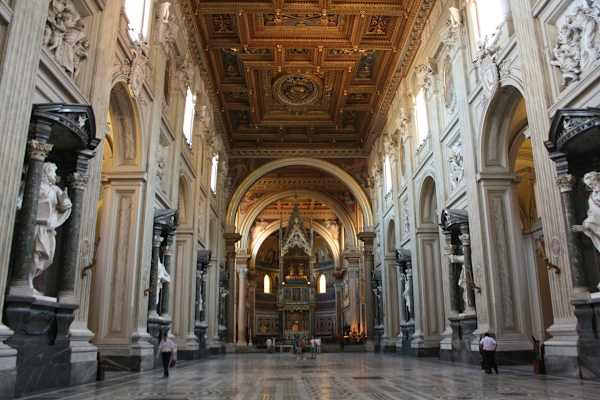
The Feast of the Dedication of the Lateran Basilica is not just a Catholic tradition, it is a gift, a challenge, an open invitation to rediscover what binds us together as Christians: unity, worship, and the call to become His house of living stones.
As you read this, consider: What is the story behind your own church home? Where does your community fit in Christ’s timeless mosaic? And above all, how might the legacy of the Lateran inspire Anglicans, Catholics, and all Christians to build, not just structures, but enduring bonds of faith and love, on November 9th, and every day.