Throughout the biblical canon, power is frequently articulated through a "grammar of height." We see it in the physical stature of giants, the architectural ambition of the Tower of Babel, and the imperial grandeur of Babylon. This recurring theme of hubris—the desire to ascend, dominate, and self-exalt—is consistently met with a divine reversal that brings the lofty low.
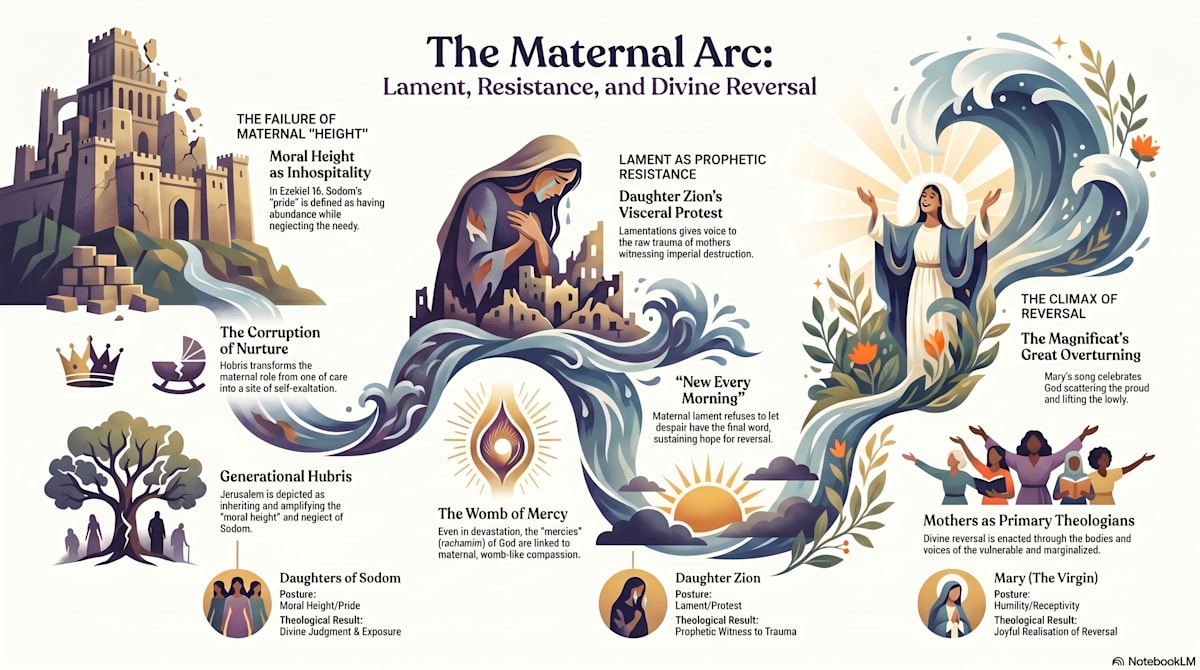
While traditional analysis often focuses on kings and warriors as the primary agents of this reversal, a profound "maternal thread" runs through the narrative. Maternal voices and imagery are not peripheral; they are the primary sites where the logic of height is exposed, mourned, and eventually overturned. These voices provide an eschatological imagination that refuses to let the status quo of empire have the final word.
How is it that the voices of mothers—frequently sidelined in traditional power structures—serve as the most potent critiques of pride and the primary vessels for divine change? By tracing the movement from the failed motherhood of Sodom to the defiant song of Mary, we discover that the canon’s theology of reversal is not just Davidic; it is fundamentally maternal.
Sodom’s Real Sin Was "Maternal Height"
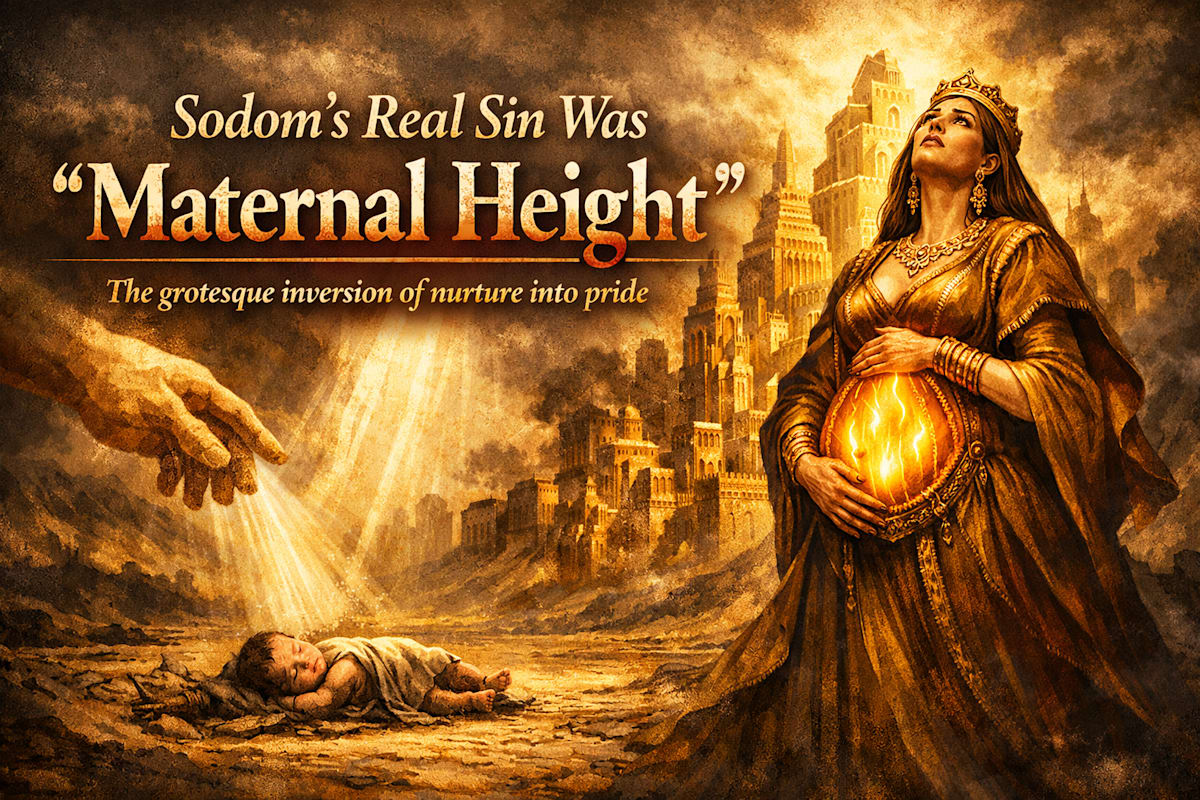
In Ezekiel 16, the prophet offers a startling re-diagnosis of Sodom’s collapse. It was not merely a civic failure, but a form of "maternal height." Sodom is portrayed as a failed mother who used her social elevation to hoard resources rather than provide nurture, turning the womb into a site of self-exaltation.
This failure is captured in the lexical roots gāʾôn (pride, swelling) and gābāh (lofty, elevated). These are the same terms used for the hubris of Babel, but applied here to a mother, they represent a "grotesque inversion." Instead of the humility and vulnerability required for generativity, Sodom’s posture was "swollen" and "inflated." She was a mother who refused to bend.
This stands in stark contrast to the "maternal act of divine nurture" found earlier in the chapter. While Sodom ascends in pride, Yahweh is depicted as the one who bends low to care for an abandoned, unwashed newborn left to die in an open field. Divine power is defined by this downward reach, whereas Sodom’s "maternal height" becomes a mechanism of neglect and indifference.
"This was the guilt of your sister Sodom: she and her daughters had pride (gāʾôn), excess of food, and prosperous ease, but did not aid the poor and needy. They were haughty (gābāh) and did abominable things before me." (Ezekiel 16:49–50)
Lament is Not Passive—It is Prophetic Protest
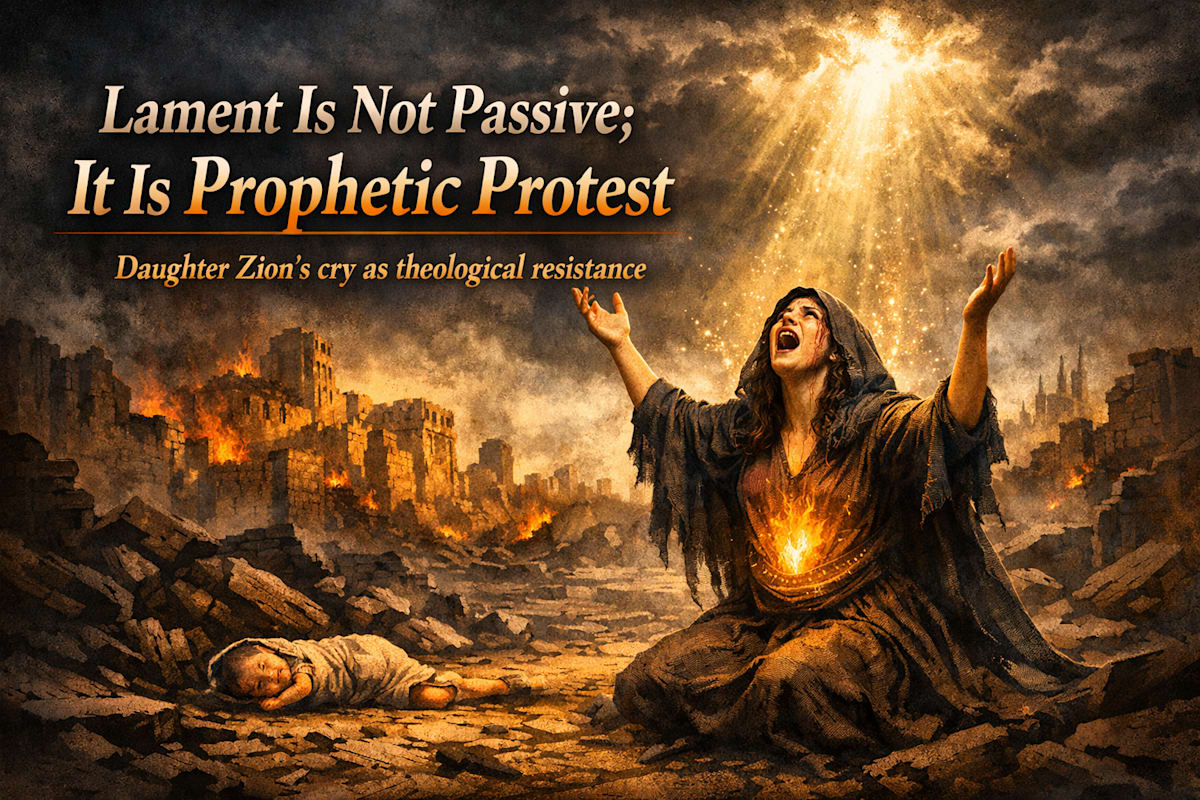
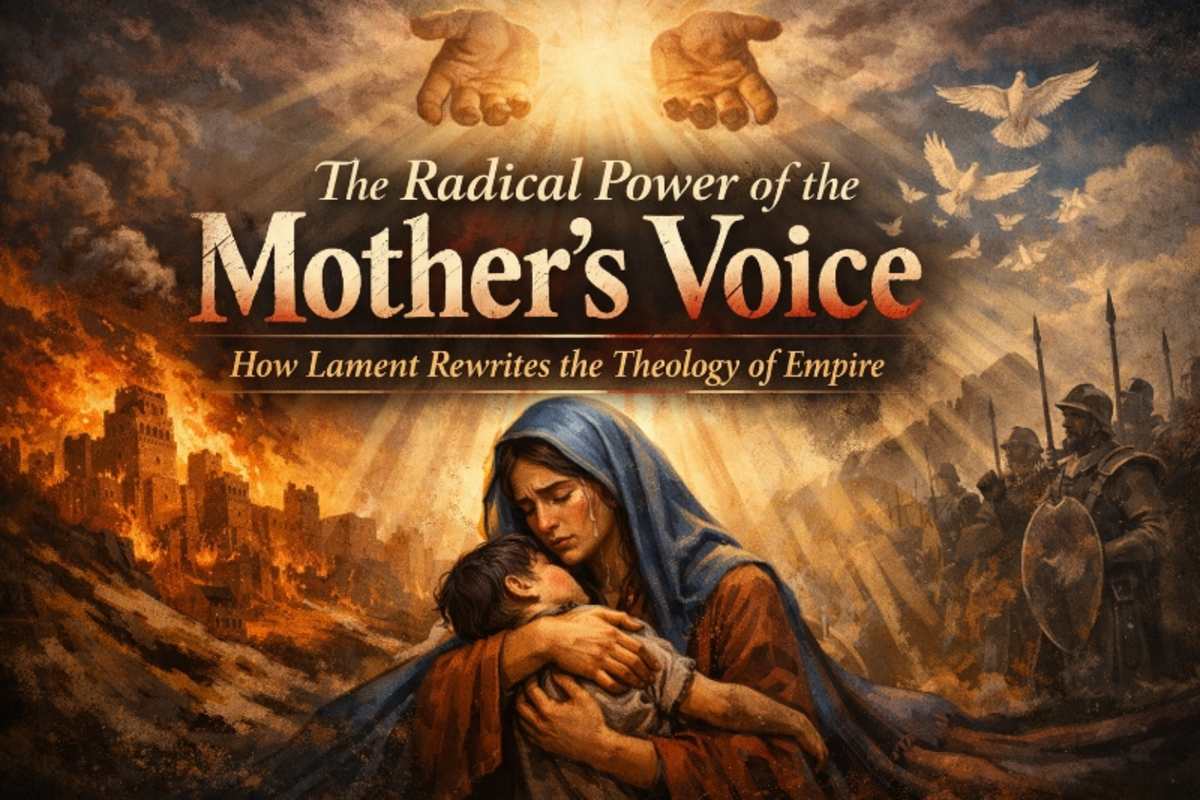
If Ezekiel 16 illustrates the failure of maternal height, the book of Lamentations records the harrowing results of its collapse. Here, the city of Jerusalem is personified as "Daughter Zion," a widowed mother grieving her children. The canon refuses to move from the judgment of Sodom to the joy of Mary without passing through Zion’s tears; this grief is the necessary theological bridge.
Daughter Zion’s cries are a form of prophetic protest. She utilizes "womb-language" (rachamim) to demand that the divine gaze meet her reality. The text details the ultimate collapse of the maternal bond, where "compassionate women" (rachamanot) are driven to horror. These women were not monsters; they were the embodiments of mercy who were consumed by a society that abandoned the logic of care for the logic of height.
"The hands of compassionate women (rachamanot) have boiled their own children; they became their food in the destruction of my people." (Lamentations 4:10)
This maternal loss is a theological act. By naming the trauma that empire seeks to sanitize, the grieving mother forces a confrontation with the truth. Even in the depths of this nadir, Zion clings to the hope that God’s womb-like compassion (rachamim) is new every morning. Maternal lament does not extinguish hope; it becomes the very ground from which hope is born.
The Magnificat as the Ultimate Political Reversal

The maternal arc reaches its climax in Mary’s Magnificat (Luke 1). Mary is not a passive vessel but a "politically charged and theologically profound" declarer of reversal. Her song is the lyrical fulfillment of the grammar established in the Hebrew Bible, explicitly echoing the song of Hannah (1 Samuel 2).
Mary, a woman of no social standing under Roman occupation, embodies the "scandal of humble obedience" that topples giants. Her song is the literal "scattering of the proud." She connects her personal experience to a cosmic Davidic reversal, announcing that the God who chose a shepherd boy is now acting through a humble maiden to bring down the powerful from their thrones.
This is the eschatological realization of the "small one becoming a thousand." Mary’s motherhood completes the trajectory: where Sodom was swollen with pride and Zion was hollowed by grief, Mary is filled with the divine presence that overturns the grammar of height forever. Her song proves that God’s most transformative work emerges from the small, the vulnerable, and the maternal.
Maternal Bodies as Sites of Resistance
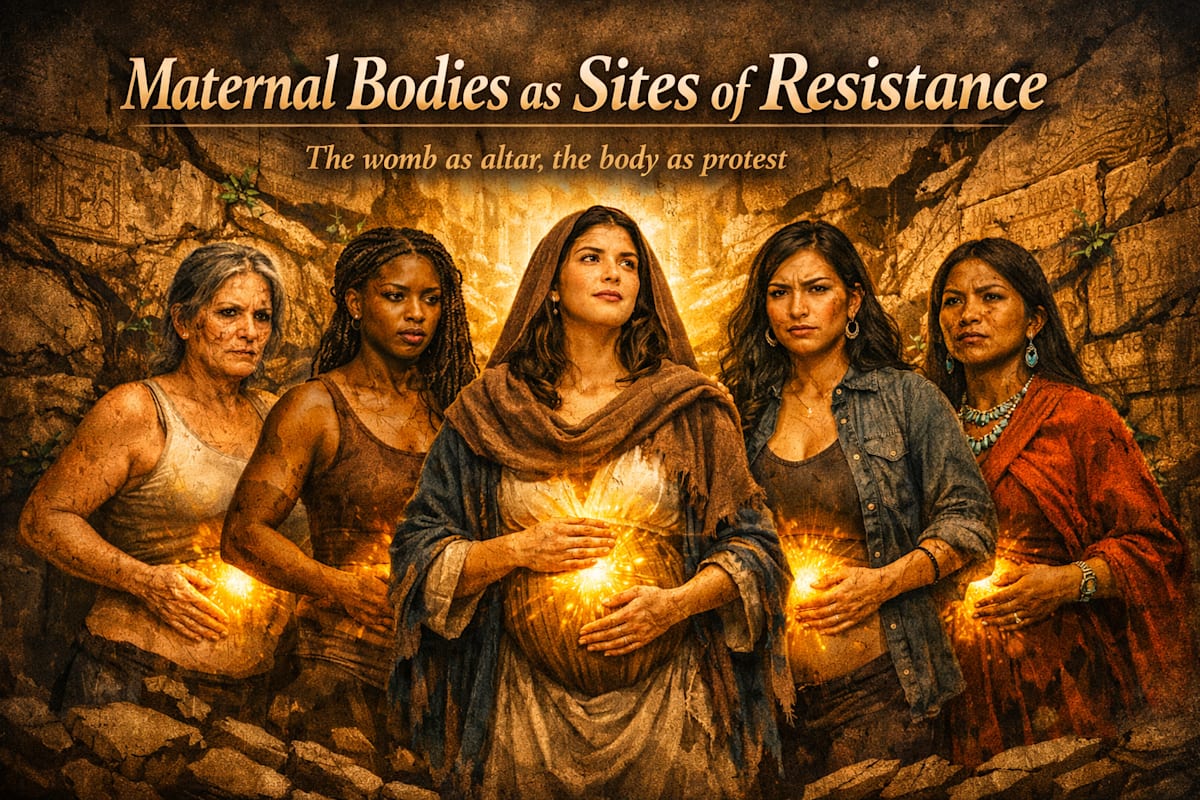
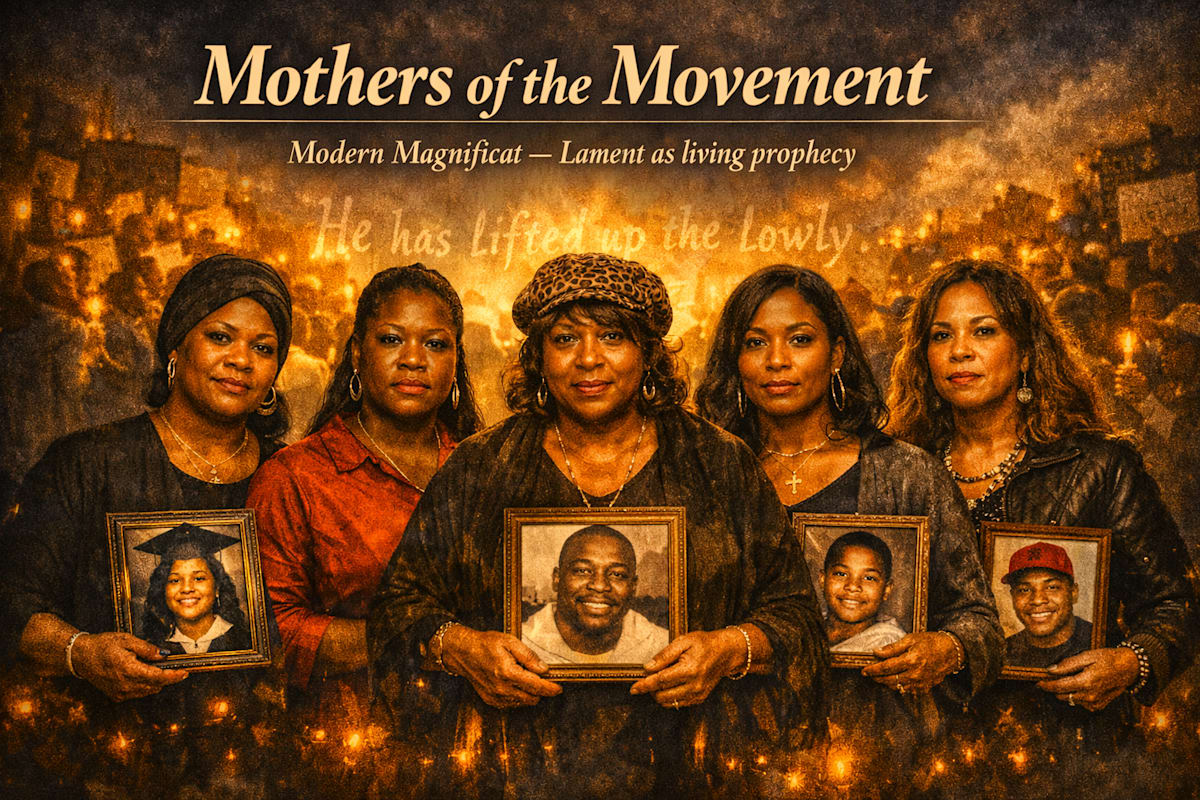
This biblical thread finds its contemporary resonance in Black Maternal Theology and the "Mothers of the Movement." Figures like Mamie Till-Mobley, who insisted on an open casket for her son Emmett, performed a "modern Magnificat." By refusing to hide the mutilated body of her child, she exposed the "swollen pride" and violence of empire, catalyzing a movement through the sheer force of maternal truth-telling.
Modern transdiasporic mothers continue this tradition, acting as the first theologians of resistance. They confront systems that are "elevated in gābāh" and indifferent to the vulnerable. In this context, maternal lament performs three essential functions:
- Naming the Truth: Refusing to accept the sanitized, imperial versions of history.
- Calling God to Account: Holding God in covenantal tension and demanding the divine gaze.
- Keeping Hope Alive: Maintaining an eschatological expectation that refuses to let injustice have the final word.
"Mothers are often the first theologians of resistance... their lament is not only grief; it is protest, prophecy, and theological witness."
A World Turned Upside Down
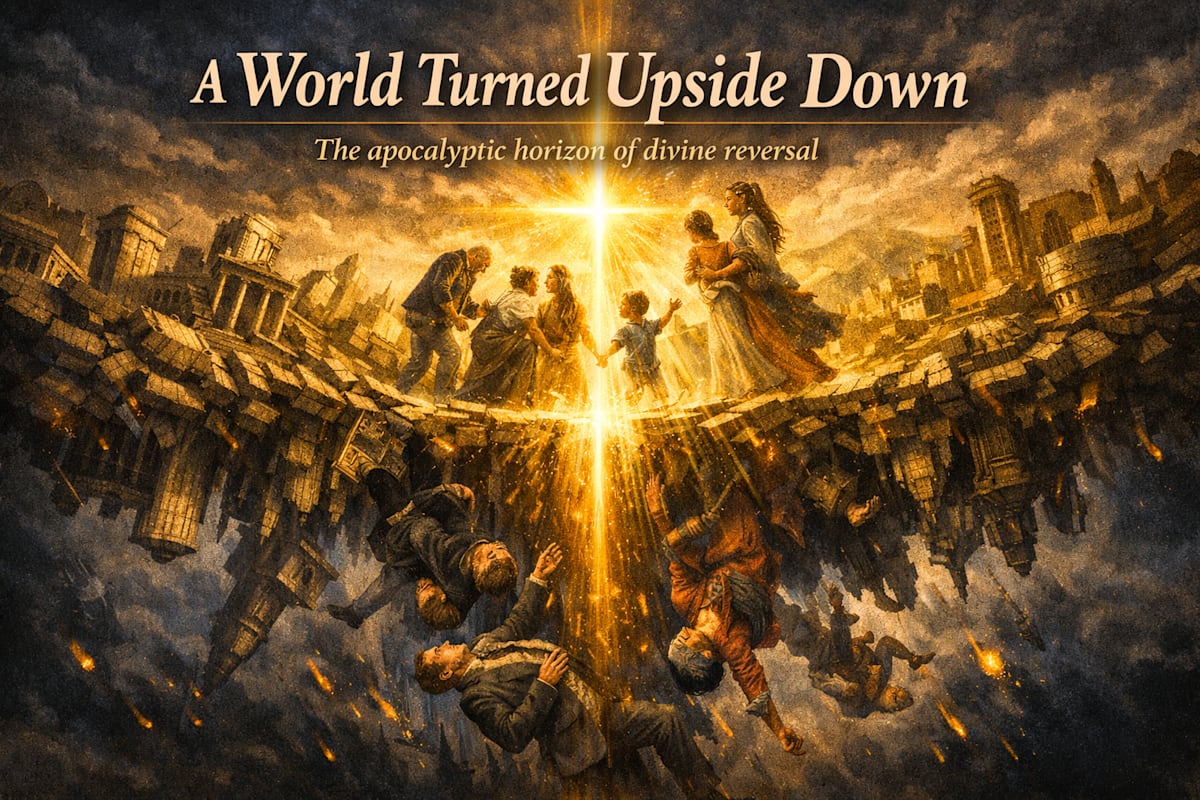
The "maternal arc" from Sodom to Mary reveals that divine reversal does not bypass the maternal experience; it emerges directly from within it. The movement flows from the failure of hubris, through the honesty of lament, to the realization of a world where the hungry are filled and the powerful are brought low.
The canon suggests that maternal voices are at the center of the theological imagination, providing the most accurate critique of height and the most stubborn hope for reversal. Maternal lament is the eschatological imagination in practice—a refusal to let the logic of empire dominate the future.
Reflecting on our current landscape, which "inhospitable heights" in our modern systems is maternal lament currently exposing and calling to account?