After months of intense work — building a quartet of papers on the biblical “grammar of height and hubris,” maternal lament, divine reversal, and relational geometry — this latest article feels like the explosive culmination. “The Silicon Tower: Artificial Intelligence, Digital Hubris, and the New Babel — A Ujamaa Centre Perspective on Revelation, Relationality, and Resistance in the Age of AI” is now complete, and it is,...
Today I received the quiet but deeply meaningful news that my article “Deror and Jubilee: biblical release as a framework for economic and ecological justice” has been published in Theology (Volume 129, Issue 3, 2026).
tw6pixtpyoiqd62y6qlrqmrnr8it876.07 KB
This feels like a significant milestone on the journey. Theology is one of the oldest and most respected theological journals in the English-speaking world — a journal with real historical weight, read across continents by scholars, pastors,...
I am pleased to share that my latest article, “From the Womb of Lament to the Throne of Glory: Maternal Threshold Experience, Revelationary Hope, and the Architecture of Reversal in the Canon”, has now been submitted to Horizons in Biblical Theology.
This paper feels like the emotional and theological heart of everything I have been working on for the last several years. It completes the biblical quartet I began with “The Rhetoric of Height” and brings it into direct...
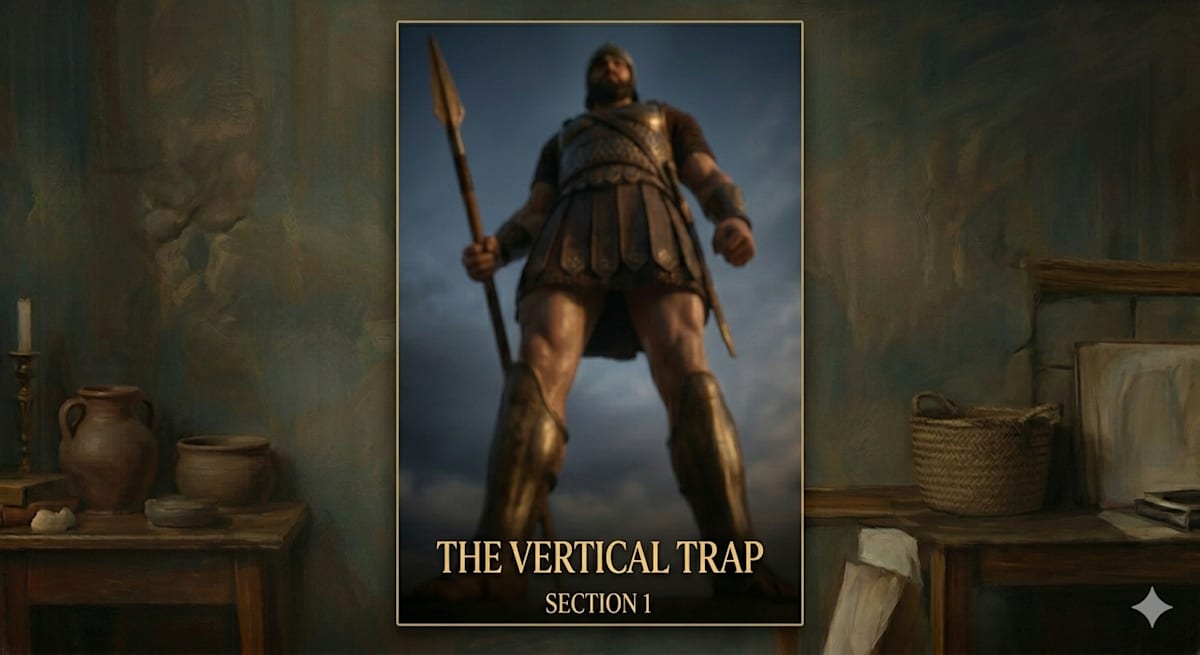
Throughout the biblical canon, power is frequently articulated through a "grammar of height." We see it in the physical stature of giants, the architectural ambition of the Tower of Babel, and the imperial grandeur of Babylon. This recurring theme of hubris—the desire to ascend, dominate, and self-exalt—is consistently met with a divine reversal that brings the lofty low.
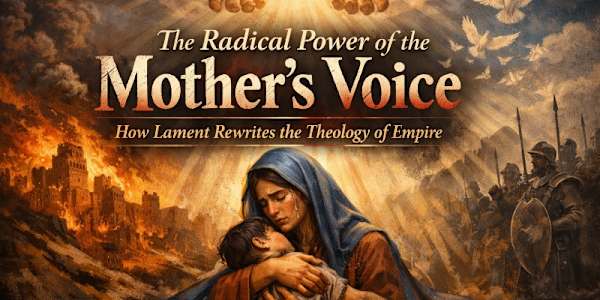
While traditional analysis often focuses on kings and warriors as the primary agents of this reversal, a profound "maternal...
In our modern era, we are possessed by a singular obsession: scaling up. We equate mass with merit and stature with success, measuring our progress by the height of our skyscrapers, the reach of our digital platforms, and the sheer density of our imperial systems. We assume that to dismantle a massive problem, we must become equally massive.
Yet the biblical narrative identifies this impulse not as strength, but as a pathology—a "grammar...
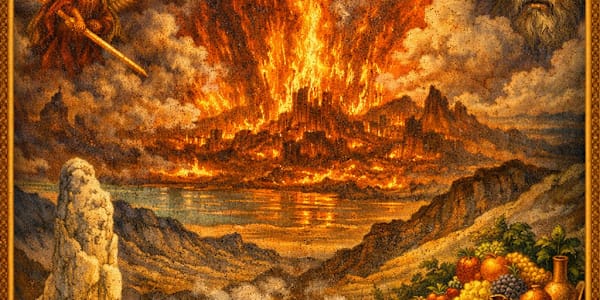
The narrative of Sodom and Gomorrah is perhaps the most enduring entry in our shared cultural encyclopedia of catastrophe. For millennia, the image of smoke rising from the plain has haunted the human imagination, serving as a recurring canonical type that warns of the fragility of civilization. Yet, in our modern rush to either dismiss the story as myth or reduce it to a singular moral transgression, we often miss the sophisticated "theological diagnostic" the biblical authors intended.
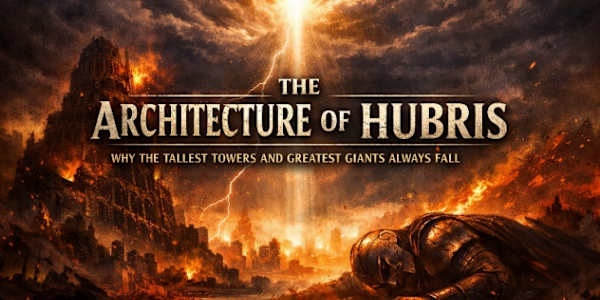
The Architecture of Hubris: Why the Tallest Towers and Greatest Giants Always Fall
1. Introduction: Our Obsession with Verticality
p9iy3004d18g4a2snt483gmffxqt305.17 KB
Human history is marked by a persistent fascination with "bigness." We gravitate toward the massive, whether in the form of soaring skyscrapers, global corporations, or the "giants" of industry and politics. Yet, within the biblical imagination, this fascination is diagnosed as a spiritual pathology—the "Idolatry of the Large."...
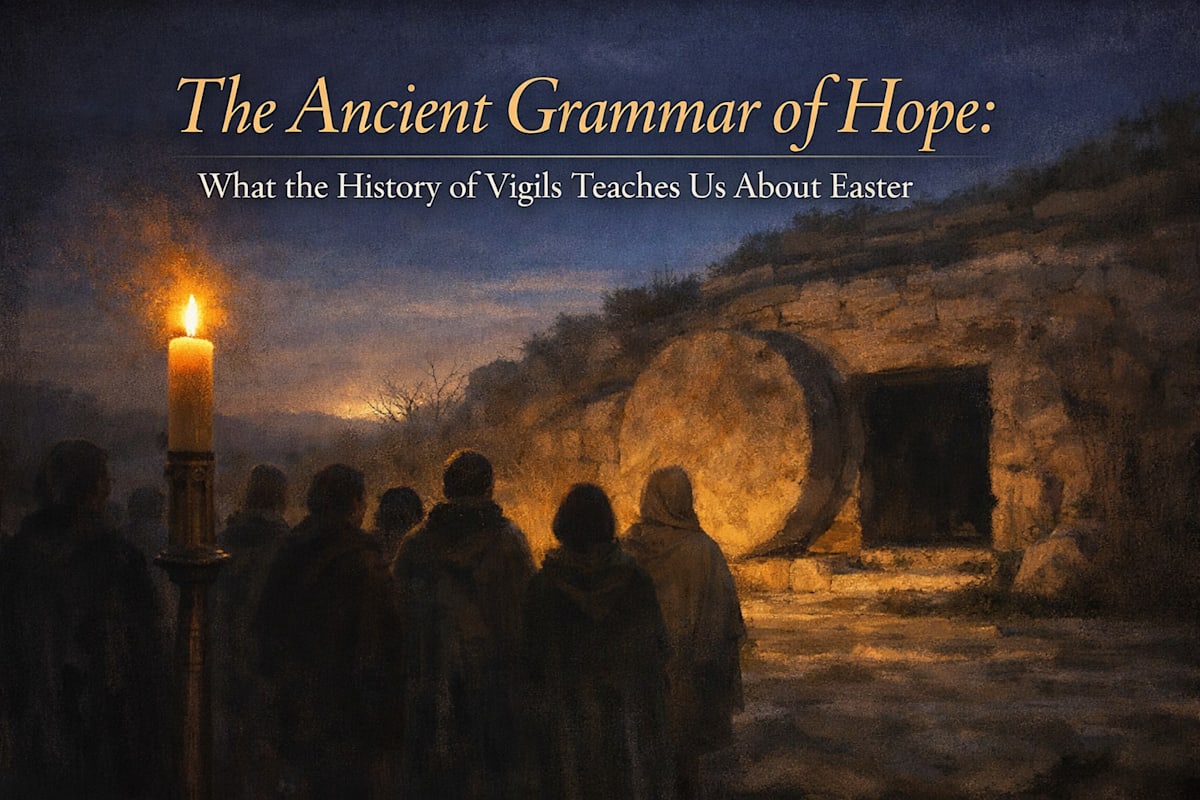
The Easter Vigil does not begin with the ringing of bells or the triumphant shout of the Exultet. It begins in a heavy, expectant silence. Before the proclamation of "He is risen," there is the shroud of darkness. A community gathers, not yet in joy, but in a shared, breath-held anticipation. A single flame is kindled, and the long, winding narrative of creation, exile, and promise unfolds in the flickering shadows.
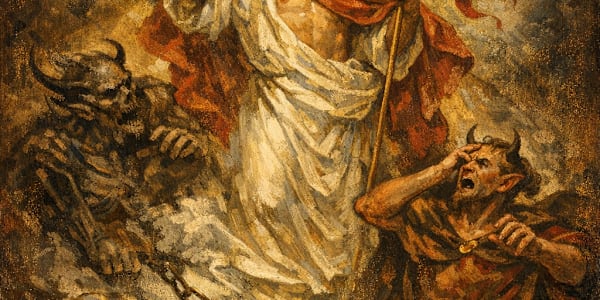
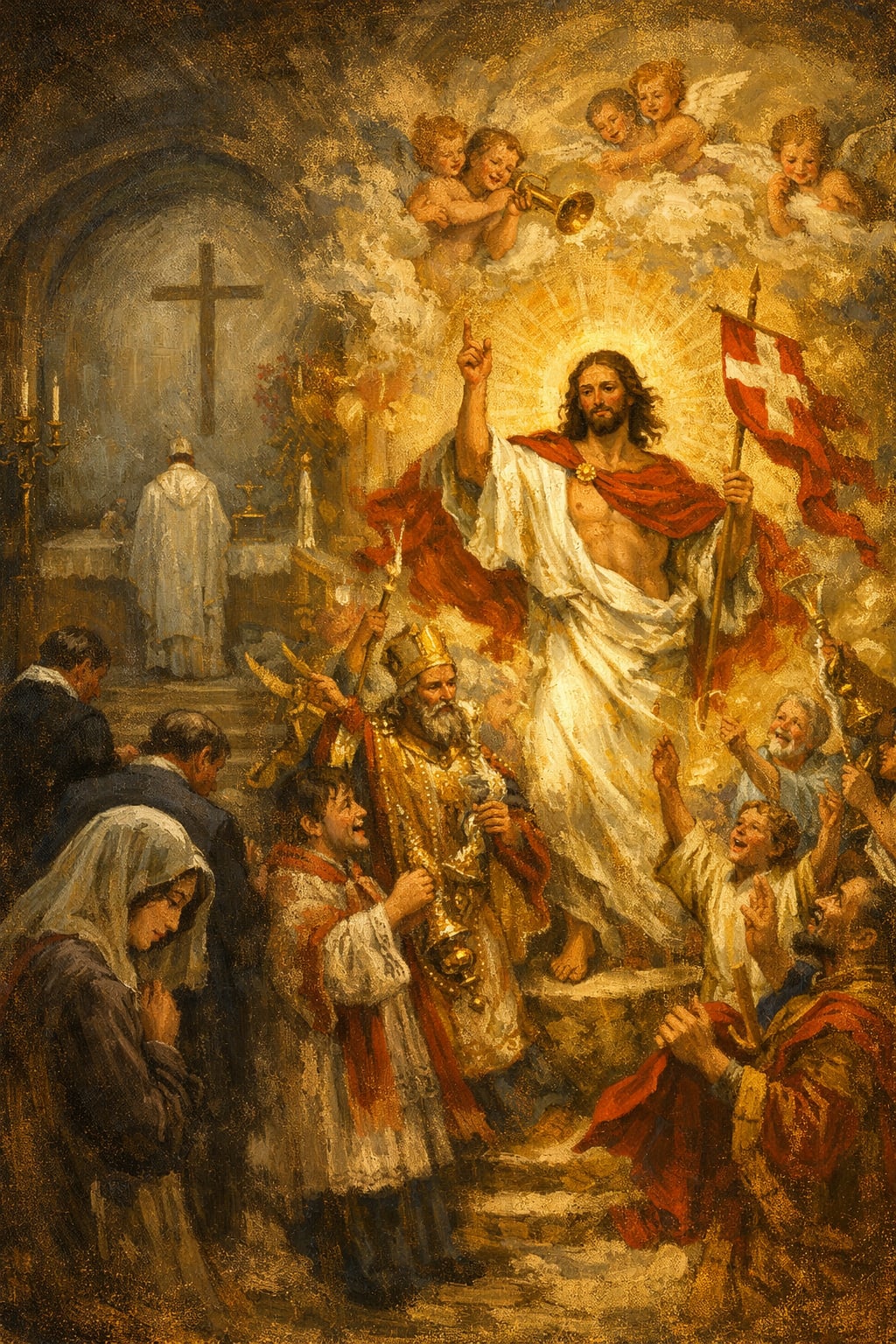
In the contemporary West, Easter is often cloaked in a somber, porcelain reverence—a day of quiet reflection and hushed Alleluias. Yet, if we peer back into the high-energy liturgies of the early Church, we find a celebration that was less like a funeral and more like a riotous victory parade. At the heart of this ancient exuberance stands St. John Chrysostom and his 4th-century Paschal Homily.
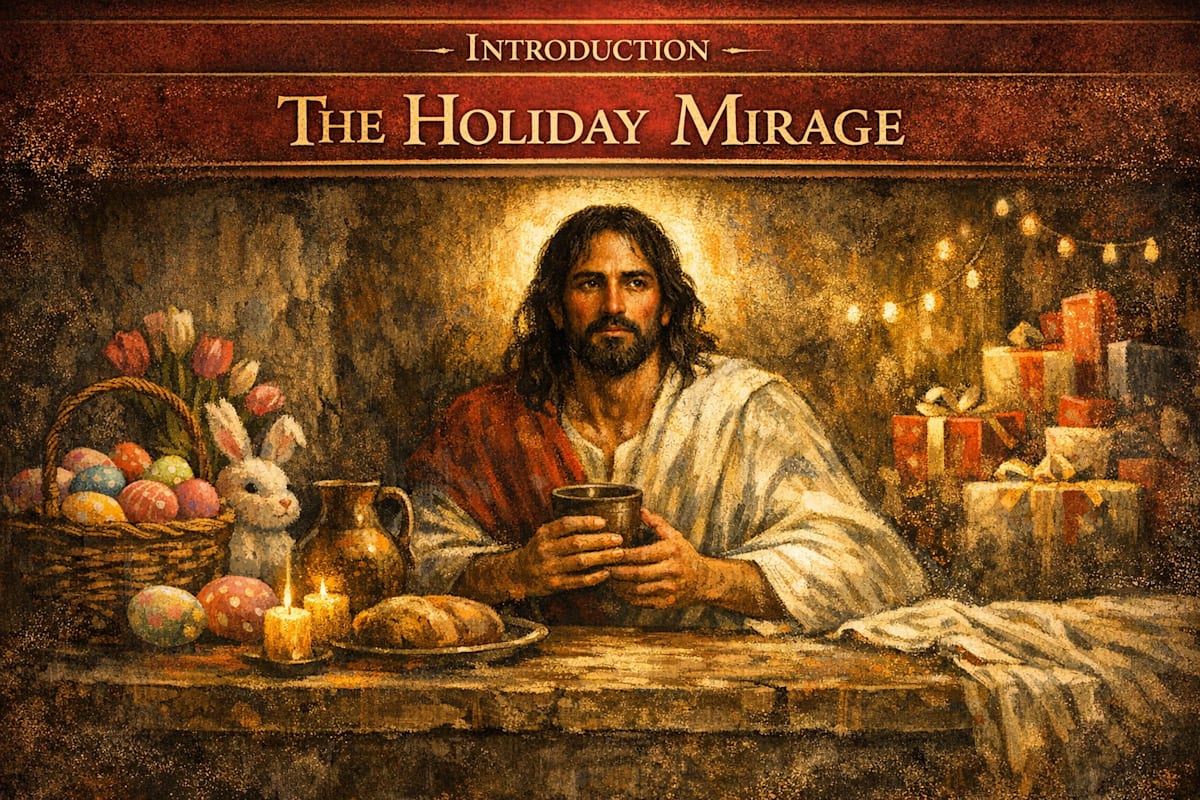
In the modern cultural landscape, the observance of Easter has become a complex syncretism—a "melting pot" of activities that frequently obscure the profound religious significance they ostensibly celebrate. For many, the season is defined by the superficial veneers of vibrant egg hunts, baskets overflowing with confections, and the ubiquitous presence of the Easter bunny. However, as a cultural historian must observe, these traditions are not merely whimsical additions to the liturgical...
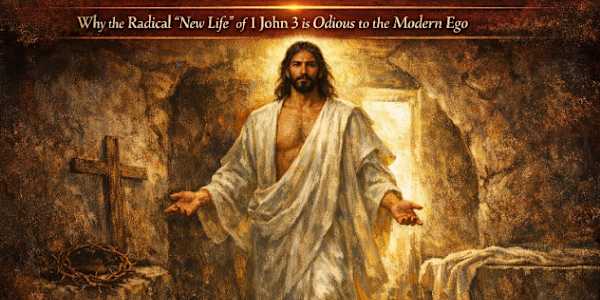
Easter has been rebranded as a low-stakes seasonal escape—a curated aesthetic of pastel sales, getaway airfares, and candy-coated traditions. Yet, beneath this pagan veneer lies a radical, ancient orthodoxy that modern culture finds increasingly difficult to digest. While the world treats the day as a harmless holiday, the Nicaean Creed (325 AD) anchors the event in a far weightier reality: that "true God of true God" became...
In December 2020, in a quiet apartment in Spain, two nights after the death of my twin brother, Darren, the room suddenly filled with light. This was not the metaphorical glow of a fading memory or the internal illumination of a mind desperate for solace. It was a presence with weight—a light that possessed a specific quality of attention. Darren stood there, carrying the irreducible, specific gravity of his particular personhood, and spoke a single word: "Yesssssss."
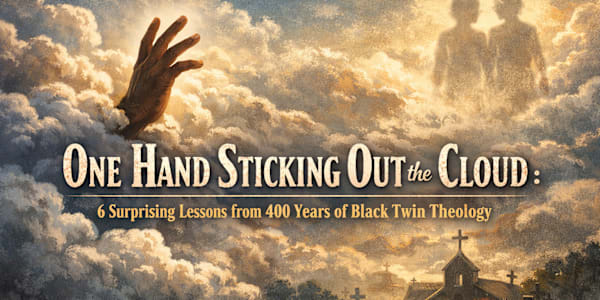
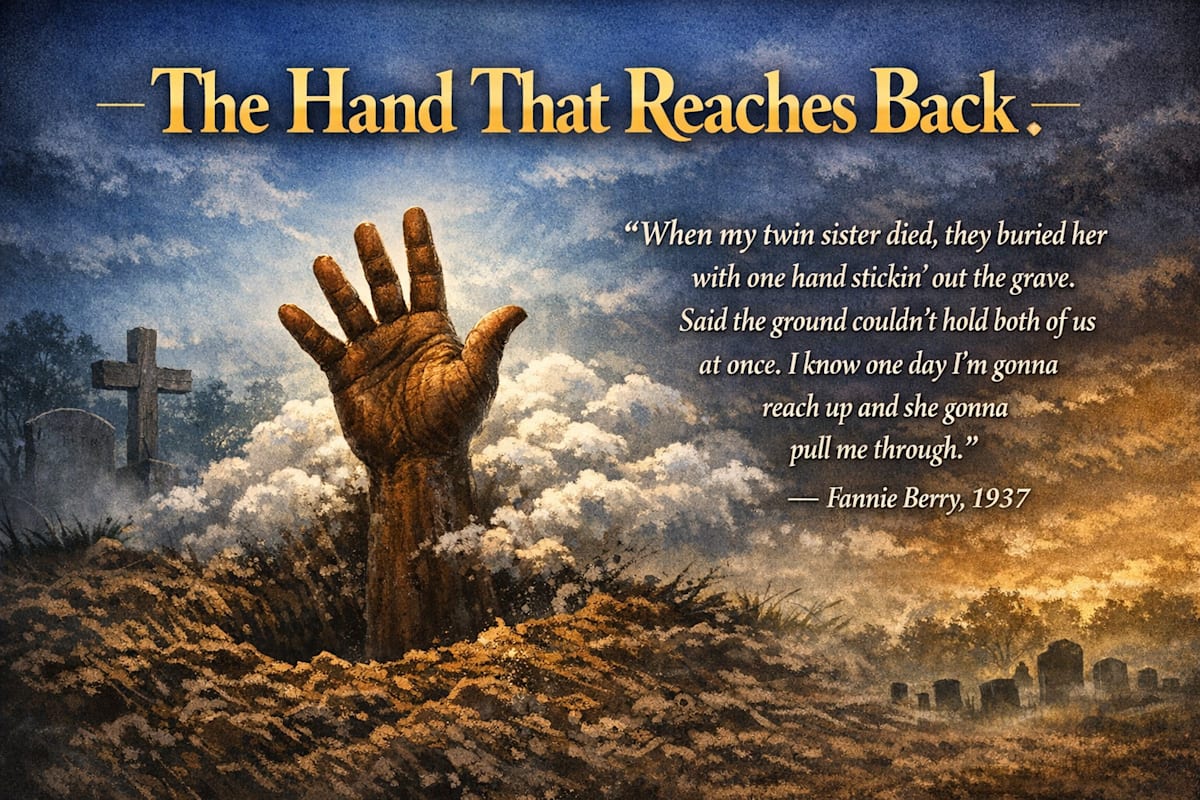
In 1937, in the red clay of rural Virginia, a ninety-three-year-old woman named Fannie Berry stood as a living bridge to an era of profound sorrow and even deeper hope. She recounted a burial ritual that shatters our modern, sanitized conceptions of the "final journey." When a twin died, Berry explained, they were sometimes laid to rest with a single hand left protruding from the earth. The community believed the ground simply...
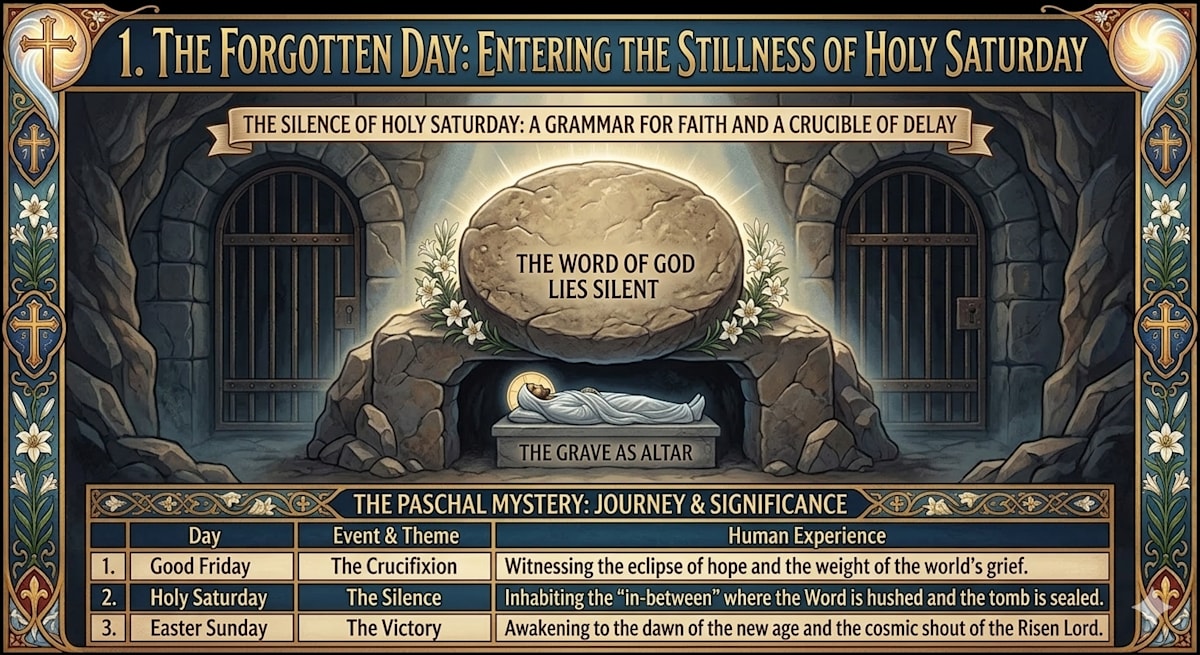
1. The Forgotten Day: Entering the Stillness of Holy Saturday
nqa2v6p03voulzhdpeoq29q9y95m1.79 MB
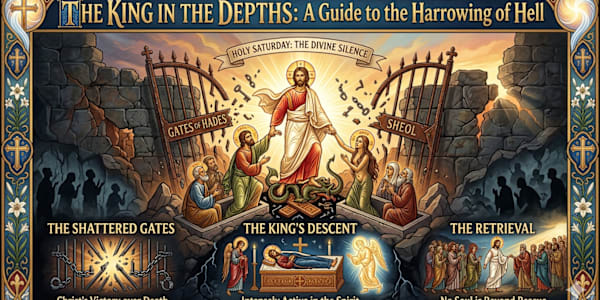
In the high drama of the Paschal Mystery, our eyes are naturally drawn to the "luminous poles" of the journey: the raw agony of the Cross on Good Friday and the radiant, earth-shaking victory of Easter Sunday. Yet, nestled between the cry of dereliction and the cry of glory lies a "forgotten day" wrapped in a staggering stillness. Holy Saturday is no mere pause in the narrative; it is a grammar...
1. Introduction: The Liturgical and Theological Significance of the "Forgotten Day"
xw82ehtp5a0756ckhm586ngn1ntu365.85 KB
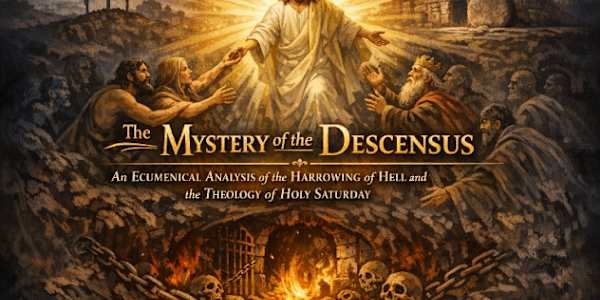
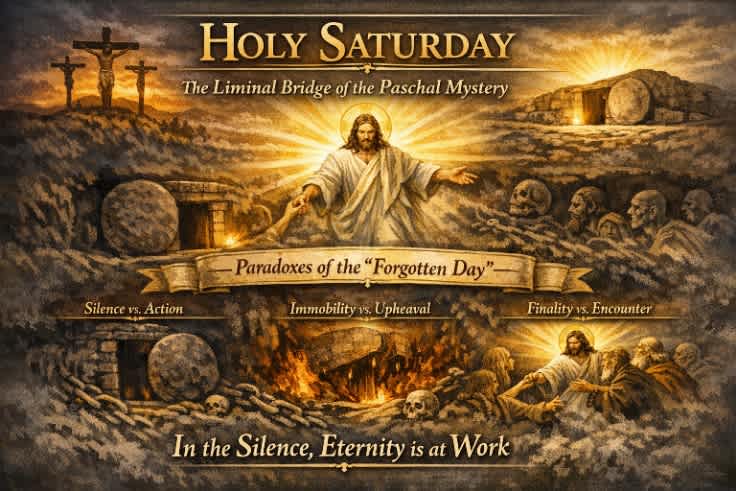
Holy Saturday occupies a unique, liminal space within the Paschal Mystery, serving as the strategic bridge between the historical reality of the Cross on Good Friday and the cosmic victory of the Resurrection on Easter Sunday. Far from being a mere chronological gap or a day of liturgical mourning, it represents the "liminal" center of the Christian narrative—a day wrapped...
1. Introduction: The Liturgical and Theological Significance of the "Forgotten Day"
Holy Saturday occupies a unique, liminal space within the Paschal Mystery, serving as the strategic bridge between the historical reality of the Cross on Good Friday and the cosmic victory of the Resurrection on Easter Sunday. Far from being a mere chronological gap or a day of liturgical mourning, it represents the "liminal" center of the Christian narrative—a day wrapped in stillness where the Word of God...
We are well-versed in the high theater of the cross. We can narrate, almost by instinct, the profound anguish of Good Friday’s dereliction and the radiant, world-altering victory of Easter Sunday’s empty tomb. Yet, between these two luminous poles of the Paschal Mystery lies a day wrapped in absolute stillness—a "missing piece" that many modern reflections pass over in haste.
Holy Saturday is the forgotten day of the liturgical calendar. It is a phenomenon of divine hiddenness, where the Word...
1. Introduction: The Book They Were Not Supposed to Read
5j3bqh310flgfxn5olceqx78uwxo1.49 MB
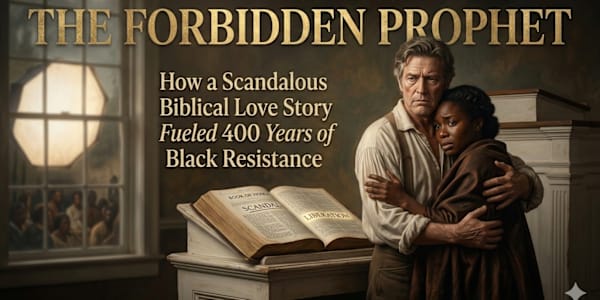
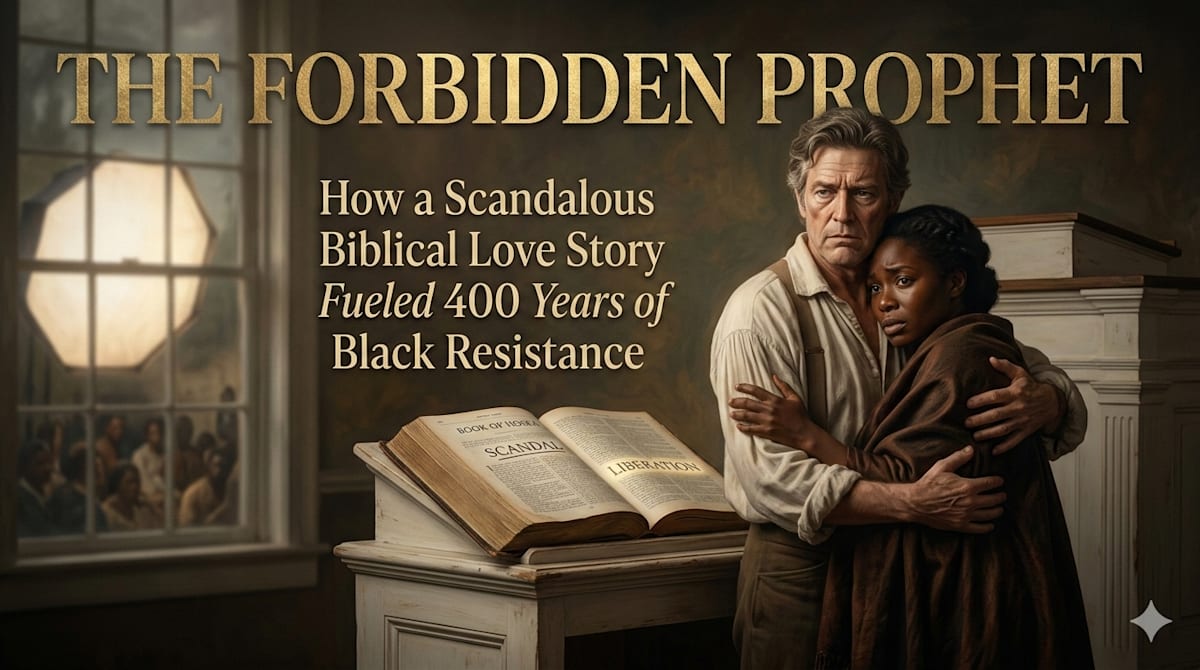
In the white antebellum pulpits of the American South, the Book of Hosea was a text of profound cognitive dissonance—theological dynamite that was largely left unexploded. Its central narrative was a scandal to the social order: a divine Husband who, despite being shamed by a wayward wife, literally enters the marketplace to buy her back from the auction block and reclothe her in covenant love. For a...
When we contemplate the threshold of death, we typically reach for a familiar iconography of emotional reassurance: the radiant tunnel, the welcoming embrace of ancestors, or the blissful dissolution of the self. These narratives are deeply human, yet they often lack the structural rigor required to describe a truly transcendent reality. What if the "language" of the afterlife is not found in sentimental reunions, but in a sophisticated architectural and mathematical grammar?
For over four centuries, Black mothers have stood at the foot of every American cross. Theirs is the "Longest Lament," a 400-year vigil that began on the auction blocks where children were priced as livestock and continued beneath lynching trees where sons were displayed as public warnings. Most recently, this vigil was held on the asphalt of Ferguson, Missouri, where Lesley McSpadden stood for four hours beside the uncovered body of her son, Michael Brown. It is held by Sybrina Fulton,...